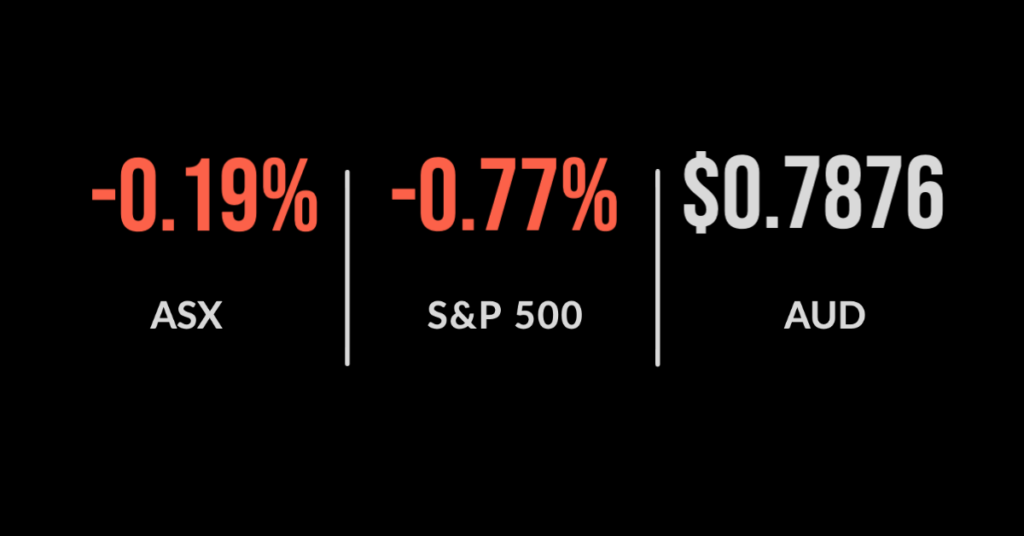
Monday 28th February 2022
Will employment levels fall as borders reopen?
The reopening of borders to international travellers in February was naturally cheered as a return to some level of “normality.” Tourism and hospitality operators who were able to hold on now stand to benefit from both a surge in customers by also the potential to attract new staff.
Australia has been more reliant than most countries on international workers to fill the gaps in what has been a fast-growing economy, in terms of both size and immigration. While not immediate, the border closures have had an impact on the inflation we are experiencing today.
While unemployment is back below pre-pandemic levels and according to some experts nearing “full employment,” it may actually be misrepresenting broader issues in the economy. For instance, how do we have the highest job advertisements in history, but an unemployment rate that is barely moving?
One clear reason is the fact that short-term foreign workers, who undertook tasks ranging from bartending to fruit-picking, have disappeared for several years, and were never included in the workforce. Therefore, the pool of workers hasn’t changed, but some unemployed Australians have taken up jobs that were left over, likely at higher wage levels.
So, what happens when we welcome short-term workers back? Will struggling businesses return to paying the lower wages for foreign workers, sending Australians back into unemployment in an already tight labour market?
Recent data from talent solutions provider Robert Half suggests this may be the case. The group has flagged “fierce hiring demand” for international talent among Australian businesses. It also notes that “while the shortfall of international talent over two years will take as long to recover, international talent remains a crucial pipeline’.
According to its survey of Australian businesses, some 71 per cent of leaders expect to hire international talent on a permanent basis in 2022; 61 per cent expect to contract out. Similarly, 73 per cent say they’re likely to hire international talent to relocate to Australia.