Thursday 5th February 2026
Trust, truth and time: Why advice still starts with human connection
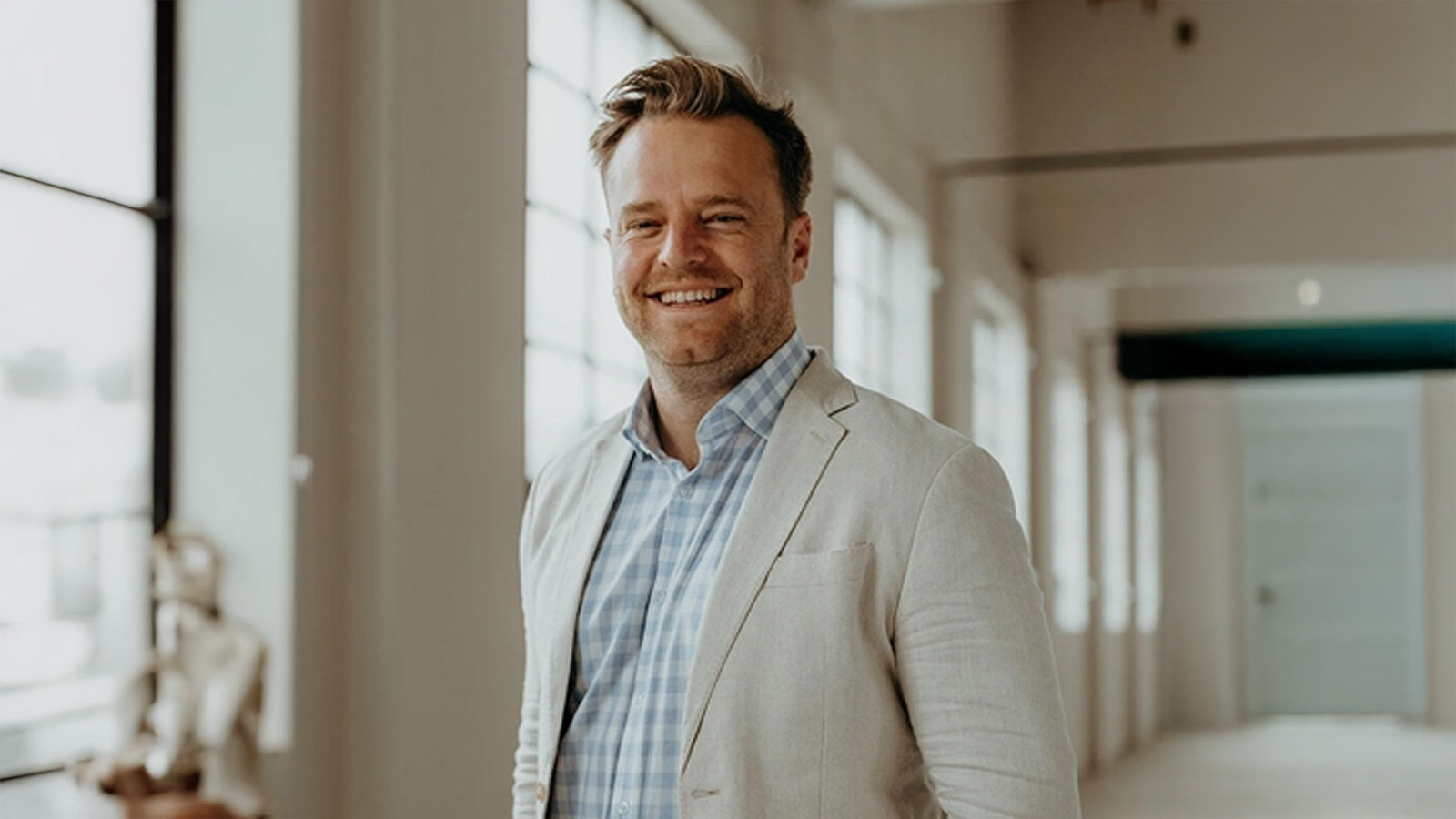
Built on trust, truth and time, this piece explores how Regional Prosperity adviser Kane Leersen is winning clients in regional Australia by prioritising connection, curiosity and the confidence to help people move forward.
In an industry increasingly shaped by technology, compliance reform and scale economics, Kane Leersen is quietly building something more old-fashioned and arguably more resilient. As a personal financial adviser at Regional Prosperity, Leersen’s philosophy is anchored in trust, community and the long arc of relationships, particularly in regional Australia where reputation is currency and authenticity is non-negotiable.
For Leersen, trust is not a brand attribute or a marketing slogan, it is a lived social contract. “In regional Australia it’s more of a social contract,” he says. “My prep teacher and my grade one teacher are clients now, and they’ve seen a consistency of behaviour from when I was five years old to now, still a childish 35-year-old. They basically said, ‘No, we trust you, do that and go for it.’”
That idea of consistency over time underpins the way he thinks about advice as a profession. Trust, in his telling, is not won in the first meeting or even the first year, but accumulated slowly through follow-through and presence. “I have clients that come through the door now where it’s been a five, seven, nine, 15, 25-year process before they trust you enough to be vulnerable,” he says.
Curiosity before credentials
Leersen is candid about where his strengths lie, and where they do not. “Ask the team, I’m terrible at data and facts,” he laughs. “But once I ask the first question, I love hearing people’s stories, their journey, what legacy means to them.” That curiosity, he believes, is the foundation of effective advice, particularly when conversations move beyond spreadsheets into family, succession and identity.
Early in his career, advising clients at just 25, Leersen learned that credibility does not come from having all the answers. “I remember getting a really curly question early on and thinking, how the hell am I going to know that?” he says. “But what I could do was say, leave it with me, I’ll go and research it, and then follow through.” Those small commitments, he adds, compound into trust.
Likewise discipline often means resisting the urge to solve too quickly. “It’s very easy to forward-project what you think they’ve come to see you for,” he says. “It’s very hard to slow down and understand the complexity of what they’re actually trying to solve.”
Truth as a differentiator
One of Leersen’s most distinctive ideas is what he calls the “truth space,” the deliberate choice to be open about limitations, experience and uncertainty. He recalls a junior adviser’s first client pitch that could have gone badly but instead became a defining moment. “I told him, just say it’s your first pitch,” Leersen says. “Forty-five minutes later I see him getting a selfie with the clients. They loved being his first client. What could have been anxiety became a memorable moment just by telling the truth.”
That same authenticity shapes his own client relationships. “I’ve never compromised the development of a relationship to my values,” he says. “Every time someone sees me, they’re expecting me to be me. It’s not a performance.” In practice, that often looks mundane, conversations about weather, sheep, cattle and football, before the paperwork eventually emerges.
Technology, in Leersen’s view, should support rather than replace that human connection. Used well, it frees advisers from desks and file notes and gives them more time where it matters. “If we have a lifetime social contract with the client, it’s worth driving three or four hours even if they’re a $10,000 or $15,000 client,” he says.
Confidence, not fear
At a higher level, Leersen is clear-eyed about the purpose of advice. “What’s been forgotten is why we do this,” he says. “It’s really to help people move forward with confidence.” In an affluent client base, that often means reframing success away from accumulation. “We spend 95 per cent of our time now giving people the confidence to spend money,” he says.
Kane Leersen, Regional Prosperity
“It’s about giving them the confidence to live their best life, we don’t want to build a business that sells fear.”
As the advice profession grapples with demographic change, regulatory reform and the rise of technology-enabled models, Leersen sees opportunity rather than threat; particularly for younger advisers willing to lead with curiosity and authenticity. The real differentiator, he argues, is not product, process or even price, but the quality of the human experience delivered over time.
In regional Australia, where memories are long and reputations travel fast, that approach may prove to be one of the industry’s most durable competitive advantages.

Laurence Parker-Brown is head of content at The Inside Network and managing editor of The Inside Adviser and Investor Strategy News.