Monday 28th August 2023
The one thing holding the whole damn financial system together

From the goldsmiths who paved the way for modern currency, to the zealots pushing bitcoin's potential, the common denominator holding up the fabric of the entire economic system is trust. But what underpins that trust?
It is terrifying to think that trust is the one thing underpinning the entire global financial system.
Trust is the linchpin allowing institutions, governments, and individuals to engage, knowing that their counterparts will honour their commitments confidently. At every moment, from the couple promising the bank they will repay their new mortgage to the government assuring investors it will make its debt repayment, the system relies wholly on trust.
The concept of trust has a long history within the financial world, dating back to the transition from tangible assets to paper-based representations. The goldsmiths of medieval times played a crucial role in this evolution. These individuals, responsible for safeguarding gold and valuable items, began issuing paper receipts as IOUs for the stored assets. Over time, these IOUs started to circulate as a form of currency, backed by trust in that the goldsmiths had both the physical assets and the willingness to redeem the paper for its equivalent in gold, establishing the foundation for paper money and modern banking.
The US dollar is one of the most compelling exemplifications of trust’s role in the current financial system. Accepted anywhere in the world, the US dollar is a paragon of stability and reliability in the global economy. The robustness of the US economy, the steadfast rule of law, and the credibility of the Federal Reserve collectively contribute to the unshakeable faith in the dollar. This confidence translates into its widespread acceptance as a medium of exchange, a unit of account, and a store of value, both within the United States and on the international stage. The dollar’s value is intrinsically intertwined with the trust that governments, businesses, and individuals vest in the US government’s competence to manage its economy and fulfil its financial commitments.
Its historic role as the world’s primary reserve currency significantly contributes to the trust in the US dollar. Stemming from the aftermath of World War II and the Bretton Woods Agreement of 1944, the US dollar became the linchpin of the global monetary system. This status bestowed upon it the unique position of being a currency held in substantial quantities by governments and institutions worldwide to settle international transactions and build reserves. Despite the dissolution of the Bretton Woods system in the early 1970s, with the suspension of the dollar’s convertibility into gold, the essence of trust remained in the dollar’s role as a global anchor.
Observing how trust manifests in financial markets is far from a complex task. The intricate nature of trust becomes particularly prominent when examining the difference between contrasting currencies, such as the US dollar and the Argentine peso. The Argentine peso has faced substantial hurdles in upholding trust due to its historical economic instability, unchecked inflation, and volatile political environment. The Argentine central bank recently escalated the annual interest rate by 21 per cent to 118 per cent per annum in an urgent bid to encourage investment in its currency and prevent further deterioration.
Drawing an intriguing parallel, trust can also be blinding faith. The fervent trust in the majority of cryptocurrencies resembles religious devotion. Just as religious beliefs often require a leap of faith, the trust placed in the intangible realm of cryptocurrencies also necessitates a certain degree of faith. This deep-seated belief has led to resistance to alternative viewpoints in ways often observed in religious contexts. There is credibility in the technology’s potential to revolutionise financial systems, yet the volatility of Bitcoin’s value is an excellent example demonstrating the challenge of absolute trust.
Trust is the lifeblood of the global financial system, permeating through currencies, institutions and relationships. However, this trust must be tempered by thoughtful analysis of risks and limitations to navigate trust.
As the financial landscape evolves to ensure financial systems remain robust, adaptive, and capable of fostering economic growth, respect for the value of trust and a suitable degree of scepticism will continue to safeguard against systemic vulnerabilities.
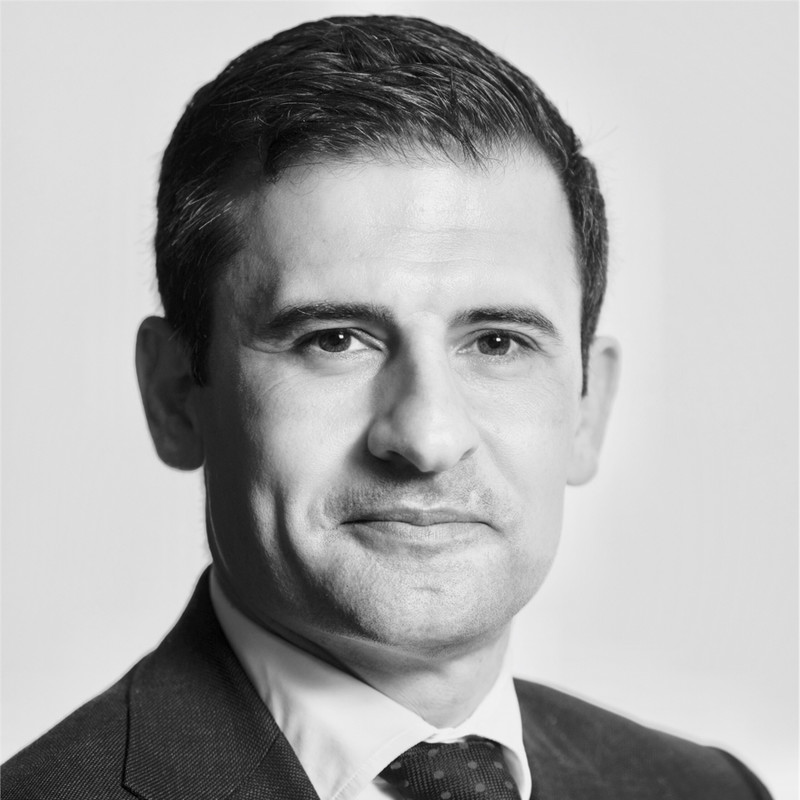
David Simon is the executive chairman and a principal adviser at Integral Private Wealth.