Monday 25th March 2024
Tech innovation to fuel drive towards the world's first trillionaire

Of all the sectors poised to take over this century, venture capitalists are most enamored with green technology and the infrastructure that supports artificial intelligence.
As investment in computing infrastructure, artificial intelligence and climate change technology surges, the next wave of uber-wealthy are poised to lead the next generation of uber-powerful companies into a new era.
It’s actually green technology that The New York Times’ veteran tech journalist, Kara Swisher, predicted will generate the world’s first trillionaire. But whether the next Elon Musk comes from green tech or something Akin to Nvidea, the common thread remains; next generation technology will fuel immense wealth for savvy investors this century, just as surely as manufacturing did in the last one.
Speaking at The Inside Network’s Alternatives Symposium in Victoria recently, two venture capitalist purveyors explained why computing infrastructure and climate change technology will lead the investment landscape in the new world.
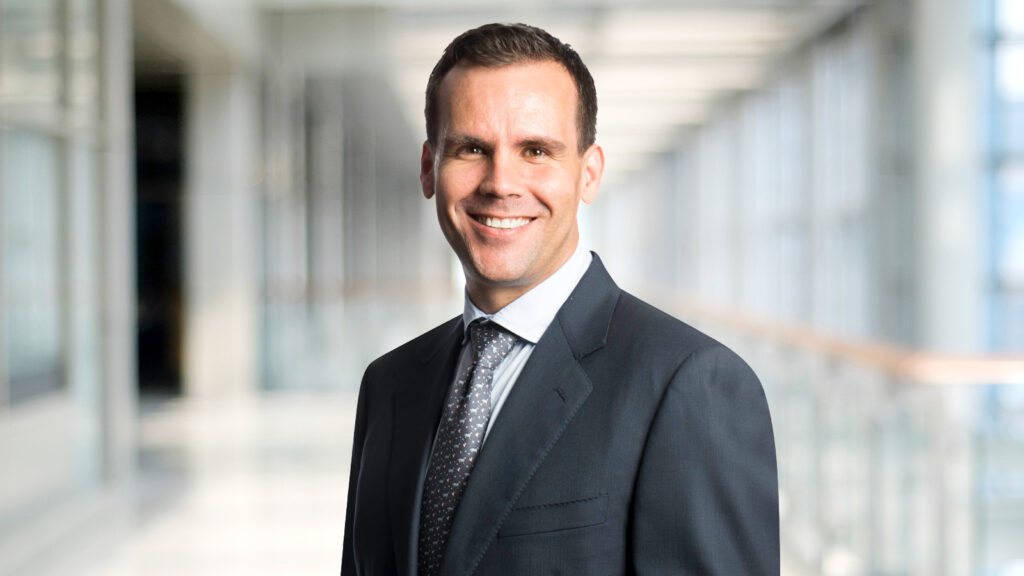
According to Tidal Ventures managing partner Wendell Keuneman (pictured, right) the global shift from server rooms to cloud computing will continue at pace for years to come, a development which will only accelerate with the explosion in artificial intelligence software. Cloud computing “enabled software to eat the world”, he explained, a computing infrastructure shifting to centralised, cloud-based models where servers moved from company basements to huge, secure hub sites.
“That migration, for some companies, is still continuing right now,” he said. “And AI It is actually built on top of the Cloud, we believe the key thing is that the adoption cycle is going to be faster.
“We start with the premise that we’ve moved from this cloud era into this AI era, where it’s really about applications and models and algorithms,” he continued. “And we see that transition to the cloud as one where it’s going to the ‘cognitive cloud’, because we’re starting to move into systems of record, to systems of reason.”
What that means, he said is that core tranches of investment will go towards the continuance of the technological infrastructure build-out. “We see certain industries getting picked off [because] with every cycle there’s early adoption, and then there’s a majority coming in the area,” he said. “We really believe AI adoption will be a lot faster because of the existing infrastructure and overlay that providers like Nvidia and a lot of other big tech companies are going to enhance. We think it’s a genuine wave.”
American Century Investments managing partner Nicholas Walrod (pictured, centre) expressed a similar level of conviction about his venture capitalist firm’s view on future growth in the climate change technology sector.
“Over the next 20 years, climate solution investments are going to be the best performing [assets],” he said. “Why do I believe that to be true? Well, I’ve come up with this equation: challenge plus solutions plus conditions equals disruption. Disruption is another word for opportunity, which then to us equates to return.”
“And you know, these companies do have the mandate, governments have a mandate of lowering, lowering emissions. So how do those challenges now lead to solutions, of course, we people, we’re going to need to make some changes ourselves. But technology is going to be a big component of that solution. And it needs to be technology that delivers something that’s competitive. And in order for them to do that, they’re going to need to reinvent business models,