Sunday 1st December 2024
Shield Master Fund investigation has ASIC worried about adviser 'professional judgement'

"I wish I could say this is an isolated example," Kirkland said, explaining the regulator's concern about a small cohort of advisers who transfer client funds into high-risk investments after being referred by cold-calling telemarketers.
The Australian Securities and Investment Commission believes the biggest problem with financial advice remains the failure of advisers to act in the client’s best interests, despite countless reviews, royal commissions and reforms aimed at stamping out the issue.
There aren’t many advisers doing the wrong thing, according to ASIC commissioner Alan Kirkland, with “99.9 per cent” providing sound advice to their clients.
But when advice does fall down its problems largely stem from self-interest, he believes, with the advice industry’s links to “industrial scale” telemarketing the latest salient concern.
Speaking with Financial Advice Association of Australia policy chief Phil Anderson during the group’s annual congress in Brisbane, Kirkland, who has been in the role for a year after leading consumer representative group CHOICE, said “issues of professional judgement” were the areas advice most commonly goes wrong.
“It’s where we see cases where advice is clearly not in the best interest of clients,” he said, “Where you see people with their entire retirement savings entirely invested in a high-risk investment option that obviously raises real concerns around best interests.”
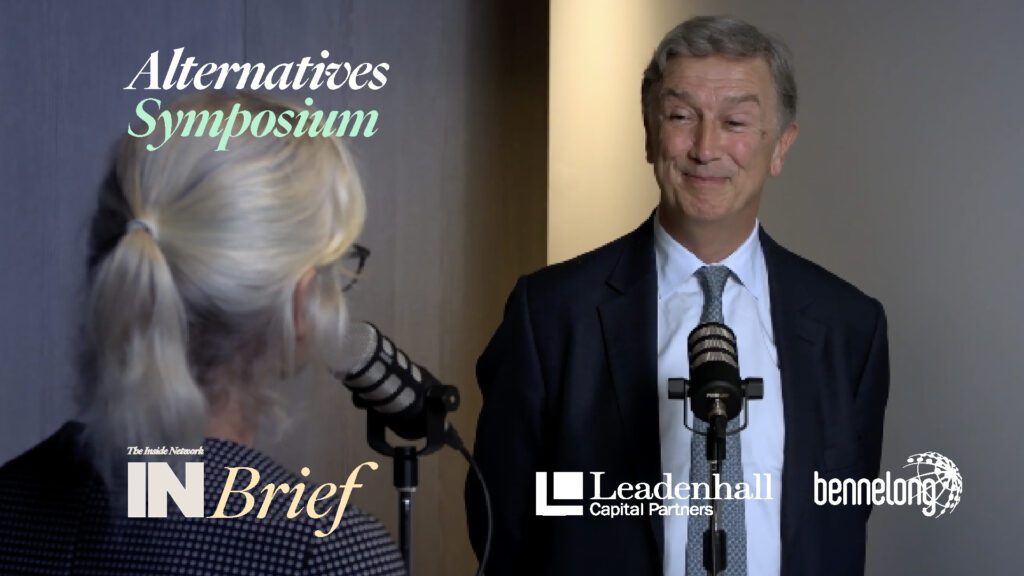
Earlier in the discussion, Kirkland (pictured) highlighted ASIC’s recent investigation into the Shield Master Fund, a high-risk fund it says consumers were pushed into via “cold-calling, lead generation, financial advice, and the potential mismanagement of investor funds through the potential role of platforms”. Keystone Asset Management has been named as the Responsible Entity being involved.
ASIC says it is aware advisers from four licensees have recommended clients invest in the Shield fund: InterPrac Financial Planning, MWL Financial Services, Financial Services Group Australia and Next Generation Advice. While no allegations of financial misconduct have been made yet, Kirkland made it clear the role of advisers in these types of cases is a concern for the regulator.
“We understand that over a two-year period more than $480 million was invested in this fund by thousands of people,” he explained. “Potential investors were called by telemarketers, who then referred them to financial advisers. They were advised to roll over from their existing superannuation funds and to put part or all of their superannuation into the Shield Master Fund.
“While our work on this matter continues and it involves a broad range of entities and individuals, it’s important to note that some advisers appear to have played a really crucial role in advising consumers to invest in shield,” Kirkland continued.
“I wish I could say that this is an isolated example, but it’s sadly similar to a pattern of conduct that we are seeing far too often, where telemarketers recruit people and hand them over to advisers. Those advisers then encourage them to move their super from a relatively well performing fund into a platform product or SMSF with their savings then invested in high-risk property or crypto investment schemes that are highly unlikely to align with the best interests of the consumers involved.”
Heightening this concern is the potential for potential for relationships between providers and advisers to engender conflicts of interest, he said.
“It’s best interest, and then often those barriers of best interests are actually linked to conflicts of interest, where you’ve got entities with the relationships between them, and flowing between them in ways that are probably driving some of the behaviour.”