Thursday 26th February 2026
Research as the bedrock: John Hortop on building portfolios that last
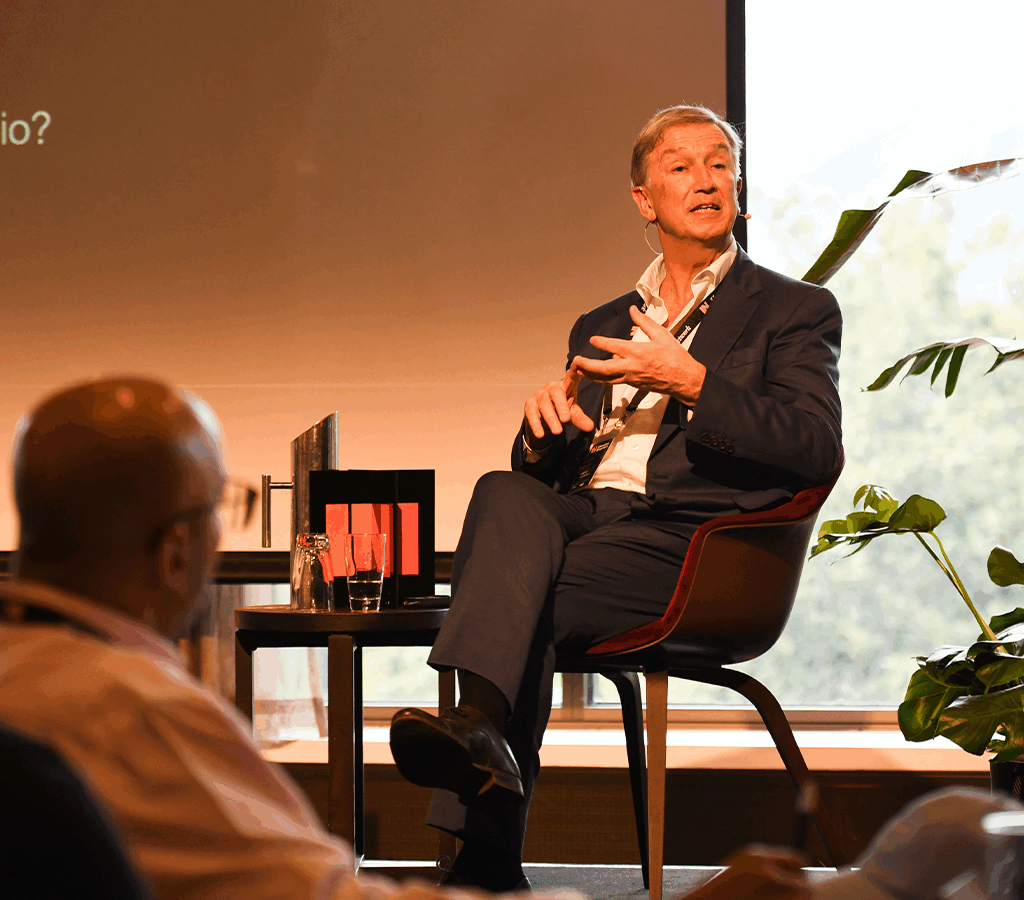
Robust portfolios are not assembled from themes or market calls. They are constructed through layered research and disciplined implementation.
In an advice market grappling with fee pressure, regulatory scrutiny and a more demanding client base, the conversation has shifted from product selection to portfolio architecture. For John Hortop, investment analyst at Paradigm Group, the differentiator is neither access nor marketing gloss, but depth of research and then disciplined implementation.
I sat down with Hortop at The Inside Network’s Alternatives Symposium at Cape Schanck in Victoria earlier this week, to talk about the research process he’s embedded within. “I’ve historically maintained our models, executed new research and implementation and looked to the future to build fresh models that our private wealth group can invest in over the long term,” he says. The remit is clear: evolve portfolios without compromising their structural integrity.
Due diligence in practice
Advisers talk about due diligence as if it were a binary exercise; Hortop frames it as a resource question. “We’ve spoken a lot over the last couple of days about correct due diligence, but that takes time. I think someone said yesterday, they spend 1,000 hours doing due diligence on a good manager. I don’t think many of us would have the time and resources to commit to that for each and every opportunity.”
That admission goes to the heart of contemporary practice management. As compliance obligations intensify and client expectations expand, internal research bandwidth often shrinks.
Hortop recommends that each practice thinks about both its internal research capabilities and then its partnerships with specialists. External research partnerships must extend an adviser’s capability, not replace their judgement. For licensees and boutiques alike, that means interrogating process, governance and alignment of interest with the same rigour applied to end managers.
“You don’t want to be trying to time markets, in my experience timing markets never really works,” he says.
Designing with the end client in mind
For Hortop, robust portfolios start with discipline. “When you’re building-out models, you want to be building them with a real long-term focus.”
In practice, that translates to portfolios that balance liquidity with genuine diversification, rather than chasing illiquidity premiums without a clear client objective. Advisers who articulate this research framework clearly tend to experience fewer reactive client conversations when volatility returns. And hence, this way, expectations are set up-front, and strategic intent is documented.
Alternatives, access and education
The alternative asset universe no longer sits on the fringe of sophisticated client portfolios, but behavioural barriers remain. “More and more these days, there are less barriers to investing in the alternative space,” Hortop observes, pointing to product innovation that has reduced minimums and improved liquidity structures.
Yet, legacy concerns persist. “Historically, there’s been fear in that part of the market. There’s been concerns around the liquidity. So as we educate our client base, and there’s better products in the market, I think it’s becoming easier,” he says.
Education, then, becomes an essential tool in the design of wealth portfolios. Advisers who understand the underlying research, who can explain manager selection, stress testing and risk controls in plain language, will find it easier to incorporate private credit, real assets or specialist strategies where appropriate. The alternative sleeve ceases to be exotic, it becomes functional.
For advisers, the strategic challenge lies in institutionalising this research intensity while maintaining commercial realities. Scale helps, but only if it supports process rather than dilutes it. As the wealth industry consolidates and new capital enters, the firms that win will be those that can demonstrate repeatable due diligence, coherent model governance and a clear line of sight from research to client outcome.
Hortop’s commentary is a timely reminder that robust portfolios are built, not assembled. They are grounded in hours of unseen research, informed partnerships and a refusal to be distracted by short-term noise. For advisers intent on delivering durable client outcomes, that remains the only game worth playing.

Laurence Parker-Brown is head of content at The Inside Network and managing editor of The Inside Adviser and Investor Strategy News.