Saturday 25th May 2024
Real estate's triple play: The clean, the changeable and the 'out of sync'
All verticals in commercial real estate have become problematic in the last five years, but there remain pockets of opportunity. Figuring out which of those pockets present the best path forward is the real challenge.
The real estate game has been shaken up by a confluence of factors in the last five years, the pandemic and burgeoning interest rates among them. According to stakeholders, the aftermath is seeing commercial office and residential being bogged down by problematic factors while industrial emerges as the ‘cleanest play’ of the three.
But even then, they warn, the safer industrial investment real estate investment route is rife with uncertainty.
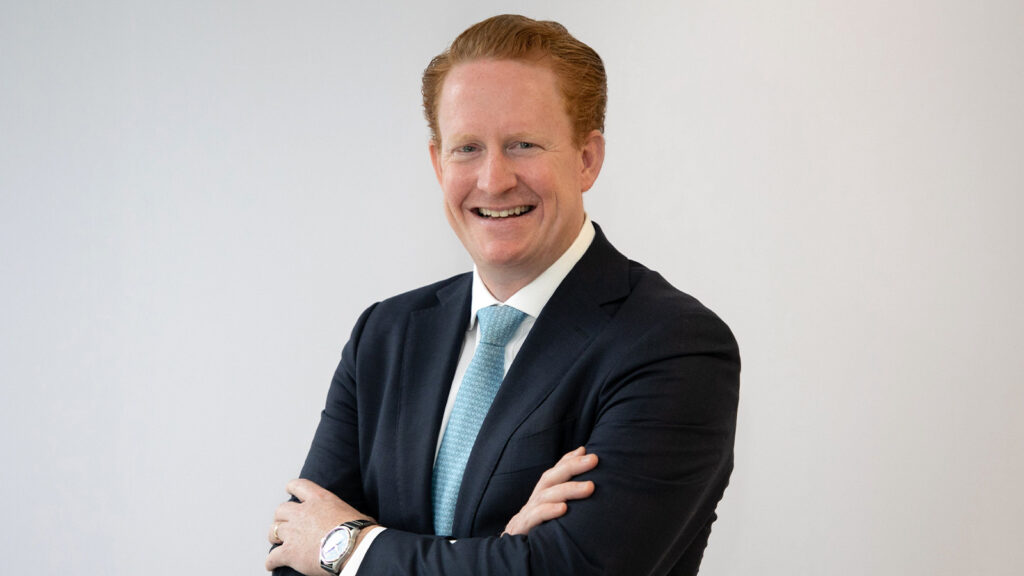
Speaking at The Inside Network’s recent Investment Leaders Forum in Byron Bay Stellan Capital founding partner David Leon (pictured, right) said his group looks at property as being comprised of three “buckets” – residential, commercial office, and industrial – with two out of those three presenting “really systemic challenges”.
“Since covid, obviously, office is changing very quickly,” Leon said, adding that clients are “actively” trying to avoid the sector as the work-from-home era takes hold and people either return to the office on a part-time basis or readjust to a wholly work-from-home regime.
And then there is residential real estate, he said, which is – on the surface at least – a solid investment direction.
“Residential looks like the most amazing investment opportunity ever, until you start realising just how out-of-sync the demand and supply relationship is,” Leon said. “Then you start being quite concerned around labour costs and the lack of infrastructure to support that.”
It is a well-worn refrain at this point; despite the government identifying the need for more houses and purchasing prices at a premium, there simply isn’t enough labour to go around. Attempts to build up the labour force via training or immigration will take years to be fully embedded, with the army of builders required to meet demand speculated at being years away from readiness.
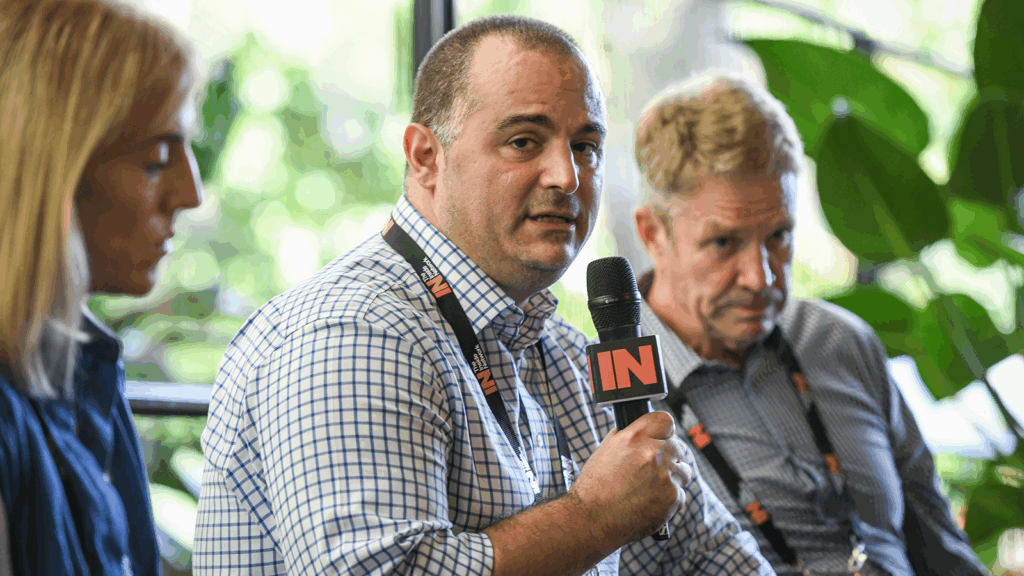
Also speaking at the event, Charter Hall Fund Management’s Sasanka Liyanage (pictured, left) said the widespread challenges across the construction industry and insufficient access to adequate skilled labour have generated shortfalls of real estate supply. Solid demand coupled with restricted construction continues to place downward pressure on vacancies across good quality real estate.
“A virtuous cycle of population and employment growth has contributed to strong real estate demand. However, the ongoing challenges across construction and infrastructure has limited the timely supply and supported strong rental growth for high quality real estate,” Liyanage said.
“We do think this year the unemployment rate will drift up as conditions are getting a bit tougher. But nonetheless, a broad range of structural drivers continue to drive the demand for high-quality real estate, and this has been exhibited by many of our tenant customers.”
That leaves industrial real estate, which Leon believes has emerged as the most viable real estate investment option out of the last five years.
“Industrials is probably the cleanest play for us. Over the last five to seven years we’ve seen a big shift away from listed REITs into direct, [and] we’ve really been attracted to that kind of clear picture around industrial,” he said, adding that population density, land valuations and yield flexibility are all contributing factors. “And who’s driving that? I would say our clients are.”