Sunday 21st July 2024
Passive funds don't hurt markets, but some thematics might suffer: GMO

The index-hugging wall of money can't break the maths of the market, a new paper argues, but it may exacerbate the "long winter" of small caps and value stocks.
An analysis published by the famed Jeremy Grantham-founded value manager suggests the hyperbolic rise of passive funds has proved less of a danger to market fundamentals than many observers fear.
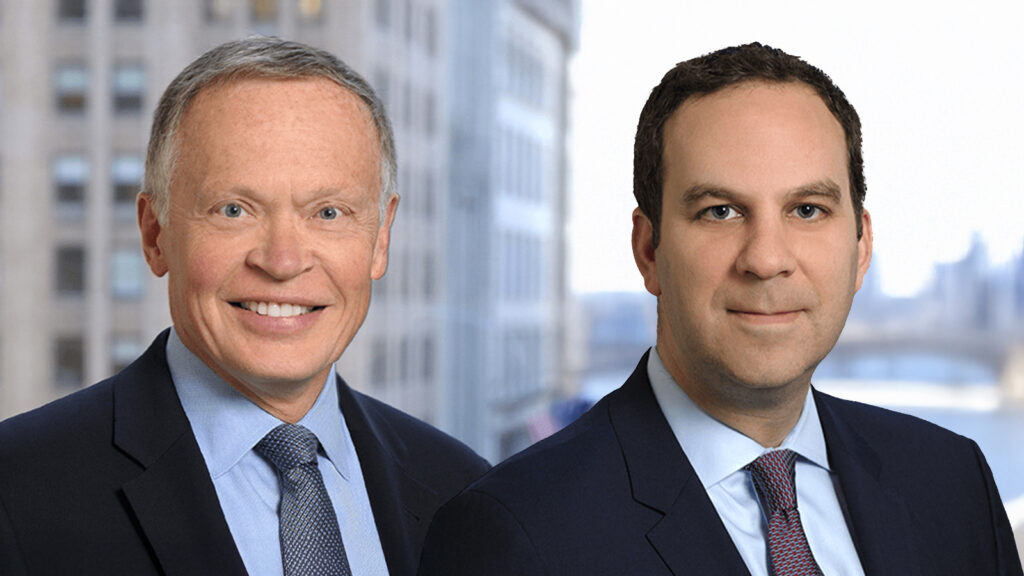
The study – authored by GMO investment executives Ben Inker and John Pease – says while the index phenomenon has been “one of the most profound changes in the stock market ever”, the gush of price-insensitive money has only distorted conditions at the margins.
“It seems plausible that the increasing share of passive investing might have helped intensify a few features of today’s markets – notably the rise of the mega-cap stocks and the underperformance of value and small caps,” the paper says. “But any effect was likely quite small, and passive investing cannot change the basic math of investing in the long run.
“If passive investing helped push up the prices for mega-caps or push down the prices for other stocks in a way that was not justified by their underlying fundamentals, future returns will be better for the undervalued stocks and worse for the overvalued ones.”
However, the paper says index-investing has probably contributed to the “long winter” of US small-cap stocks and – to a lesser extent – value companies. And the pair note the passive trend may also be slowing the mean-reversion process, a staple of asset allocation theory, despite a lack of “empirical evidence” to date.
“The absence of evidence isn’t evidence of absence, especially when we are measuring long-term effects on short time frames. It might still be the case that the rise of passive investing has caused asset-class-level reversion to slow down, particularly in U.S. equities where the presence of passive is most pronounced,” the GMO analysis says. “If the allocations to passive funds are truly passive – if they don’t shift to other asset classes in response to prices or information – then mean reversion is almost guaranteed to have become a slower process.”
While the passive juggernaut continues to gather momentum, fuelled by low-fees that out-compete active players, Inker and Pease suggest the pace of index fund growth is set to slow. At the same time, the study says the investor passive obsession has opened up new opportunities for active managers in strategies such as index arbitrage and deep value.
“The reality, then, is not so much that the rise of passive investing ruins markets, but only that it changes them,” the paper says. “It changes how much short-term investors should care about flows. It potentially changes how much long-term investors should bank on mean reversion. It changes how all investors should think about correlations, seeing as both passive flows and passive allocations might mechanically introduce (or reinforce) sources of asset co-movement,” the paper says.
“Our responsibility as an active manager is to notice these changes, think of what obstacles and opportunities they create, and make money from them.”
This article originally appeared on Investment News NZ.

David Chaplin is publisher of Investment News NZ. David is a reputed financial services journalist with over 15 years' experience covering the investment, superannuation and advice industries in both Australia and New Zealand. In addition to publishing the weekly editions of Investment News, David contributes to several publications on a freelance basis.