Friday 30th September 2022
Overcoming misconceptions key to generational success at Castlerock

Few regional towns are primed for growth, but judicious research and a key partnership with a government agency is seeing Castlerock make the most out of property.
With over $700 million in assets under management, the Bronts family-owned Castlerock Property stands out as a regional success story in Victoria. From humble beginnings managing a single asset in Gippsland, the group has grown to now manage 40 properties totalling 86,000 square metres of floor space on both the east and west coast of the country.
Where many asset managers go wrong is seeking to be everything to everyone, ultimately becoming a small fish in a big, ultra-competitive pond. But Castlerock demonstrate why the best companies tend to be niche and seek to dominate smaller, concentrated markets before branching out.
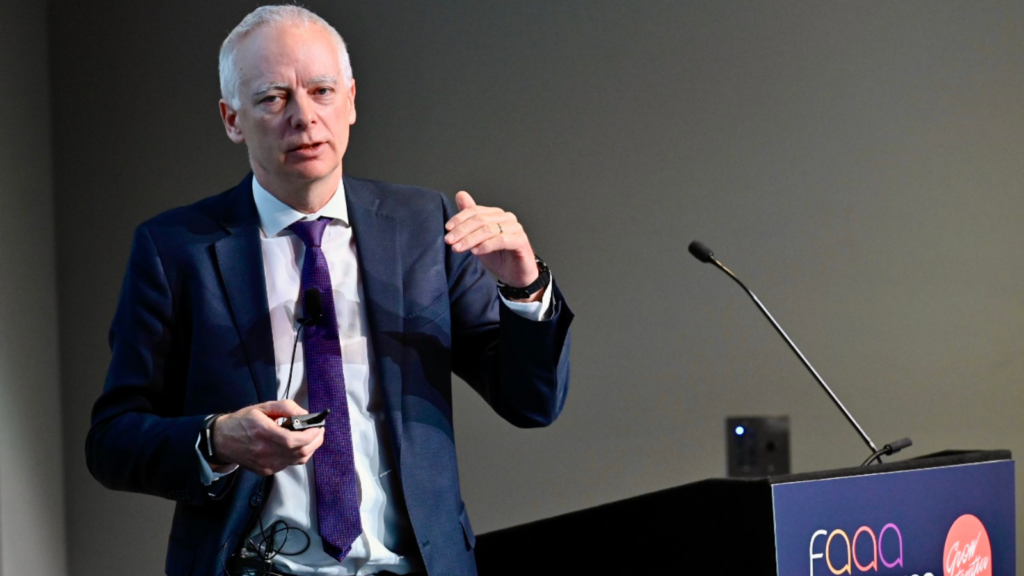
That niche, according to Adam Bronts when speaking at The Inside Network‘s Income and Defensive Assets Symposiums around the country, is a long-term partnership with federal government agency, Centrelink. In fact, the groups flagship fund Auslink is a combination of both Australia and Centrelink.
Partnering and seeking to understand the evolving needs of a government department that is an essential part of many regional towns is a unique source of long-term alpha for the group, which has seen the portfolio deliver an internal rate of return of 13 per cent, explained Bronts.
“Centrelink would say we need an office in Broken Hill” he said, noting Castlerock would then jump on a plane and put the wheels in motion to buy, construct and bid for the associated contract. The key being that because of Centrelink’s importance, there is always a “long-term future for these assets” he says.
With many assets built fit-for-purpose, tenants are both more willing to agree to long-term leases, sometimes up to 15 years, but it also reduces the risk of losing a tenant according to Bronts. There are very few assets of the appropriate quality within most regional towns that would allow a like-for-like replacement.
There are many common misconceptions about property in regional towns, with the most regularly flagged being the potential for capital growth. Bronts says Castlerock’s approach is “very income driven” and focused on making sure “tenants are sticky” rather than getting involved in competitive tender or bidding processes on CBD assets.
This focus on income has the portfolio yielding around 6.7 per cent to investors today, which are predominantly mums-and-dads and in many cases located in the towns of some of the major assets that they own. This is why Castlerock’s approach of “keeping it personal” sees every capital raising well supported.
Bronts sees opportunities emerging with state government tenants, and also closer to the city, with the latest acquisition in Frankston, but capitalisation rates and valuations remain a key focus.
“There was some cap rate compression amid the search for yield during the pandemic” explained Bronts, but this hasn’t come off yet. He expects the majority of returns to come from income and less from valuations in the year ahead.