Stay informed Sign up for our newsletter and be the first to know.
Sign up for our newsletter now

Alternatives

Share
Print

Minimum pension reductions extended until 2022
Article Image
Share
Print

in Retirement, Super

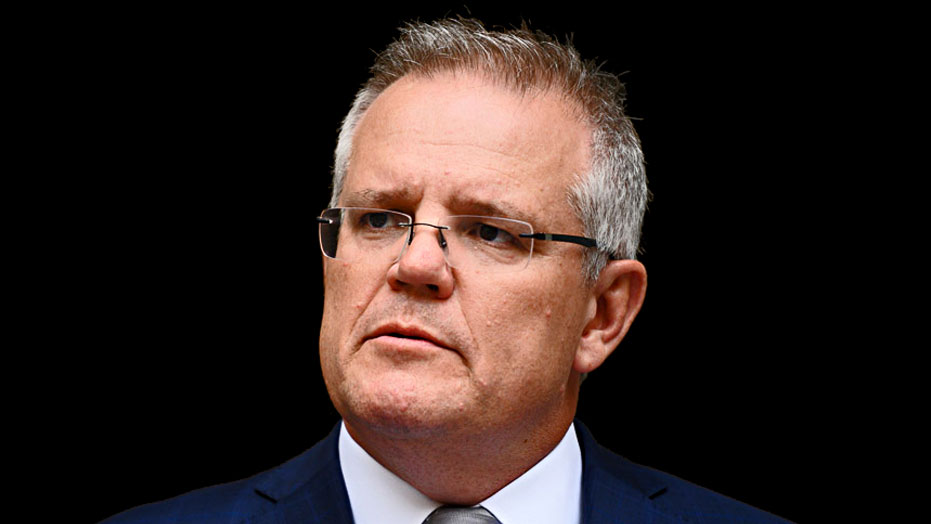
Prime Minister Scott Morrison took the opportunity at this week’s Liberal Party meeting to confirm that the minimum pension drawdown standards would be reduced for another financial year. The so-called COVID-19 measures were set to apply for the 2019-20 and 2020-21 financial years in light of the financial losses experienced by investors during the pandemic. […]


Prime Minister Scott Morrison took the opportunity at this week’s Liberal Party meeting to confirm that the minimum pension drawdown standards would be reduced for another financial year.

The so-called COVID-19 measures were set to apply for the 2019-20 and 2020-21 financial years in light of the financial losses experienced by investors during the pandemic.

The resultant minimums, calculated as a percentage of a person’s 1 July balance and using their age on the same day, will be as follows:
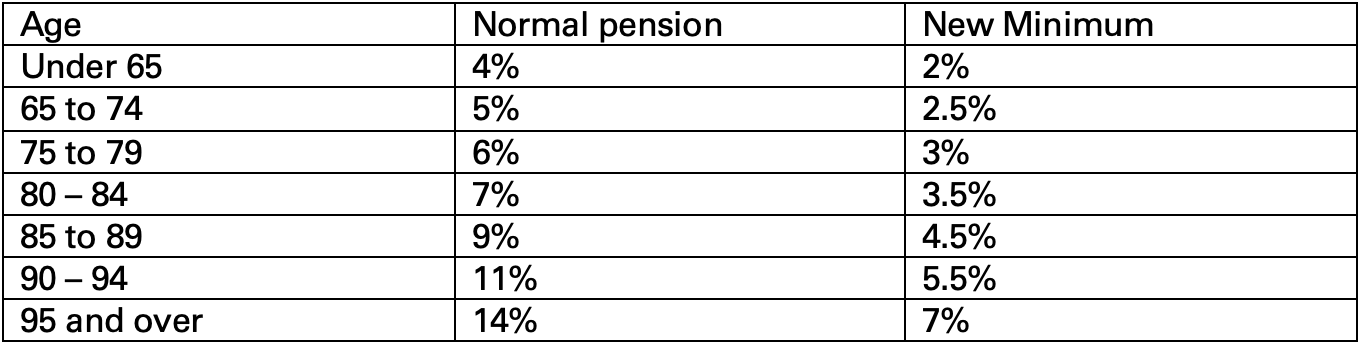

These will apply until 30 June 2022.

The decision is a boon for those self-funded retirees with significant balances, as it will allow them to retain as much of their assets in possible in the tax-exempt pension phase. This comes at the same time that the major source of most expenses in retirement, being travel and leisure, is all but banned by governments around the world.

While the reasoning was due to “financial losses” anyone who simply held the course in 2020 should now be well ahead of even their pre-pandemic levels as the combination of lower drawdowns and strong returns combined.

Superannuation was a key plank of the Federal Budget, which is set to be passed, with proposals announced to effectively remove the work test for those up to 75, loosen the eligibility for the Downsizer Contribution, and increase the contribution caps.

Share
Print

Not talented enough: Vanguard indulges in hubris as active equity managers slide

Advice groups may still be grappling with the best use cases for artificial intelligence tools, but the ones that aren’t at least trying are at risk of being seen as behind the curve according to Complii’s Craig Mason.

Navigating market extremes: Looking beyond the conventional

Advice groups may still be grappling with the best use cases for artificial intelligence tools, but the ones that aren’t at least trying are at risk of being seen as behind the curve according to Complii’s Craig Mason.

AI in advice a matter of how, not if: Complii

Advice groups may still be grappling with the best use cases for artificial intelligence tools, but the ones that aren’t at least trying are at risk of being seen as behind the curve according to Complii’s Craig Mason.

Not talented enough: Vanguard indulges in hubris as active equity managers slide

Advice groups may still be grappling with the best use cases for artificial intelligence tools, but the ones that aren’t at least trying are at risk of being seen as behind the curve according to Complii’s Craig Mason.

Navigating market extremes: Looking beyond the conventional

Advice groups may still be grappling with the best use cases for artificial intelligence tools, but the ones that aren’t at least trying are at risk of being seen as behind the curve according to Complii’s Craig Mason.

AI in advice a matter of how, not if: Complii

Advice groups may still be grappling with the best use cases for artificial intelligence tools, but the ones that aren’t at least trying are at risk of being seen as behind the curve according to Complii’s Craig Mason.

AI in advice a matter of how, not if: Complii

Advice groups may still be grappling with the best use cases for artificial intelligence tools, but the ones that aren’t at least trying are at risk of being seen as behind the curve according to Complii’s Craig Mason.