Thursday 3rd November 2022
Leaders sound consolidated alarm on the rise of consumer harm in financial services
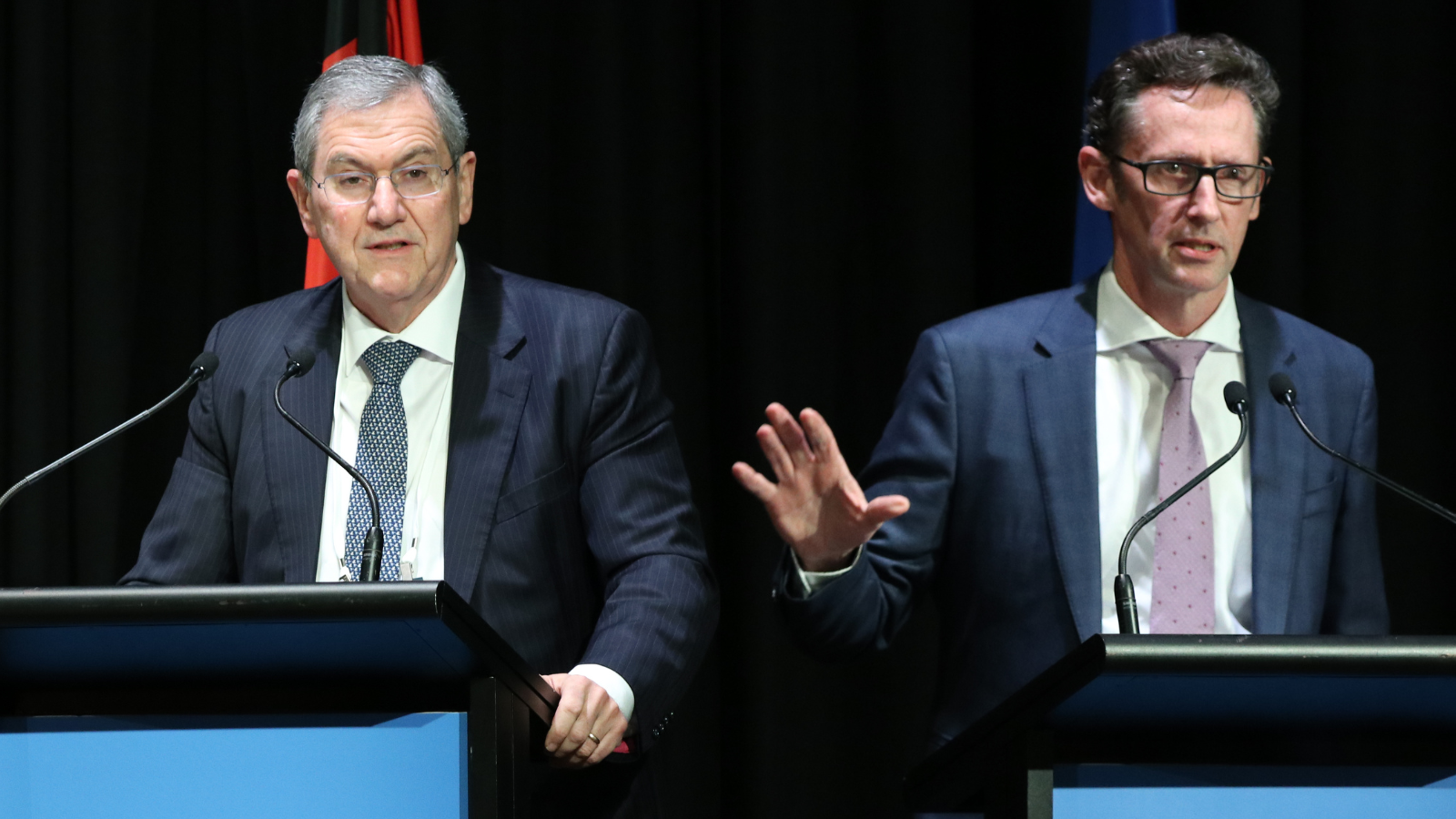
The financial services minister is looking at tackling scammers at the source: "Does our barista down the corner really need my email address, my bank details, my name and my mobile phone number just to buy a cup of coffee?"
The financial services policy leader, Minister Stephen Jones, and the sector’s regulatory head, ASIC chair Joe Longo, delivered a one-two warning punch about the growing prevalence of consumer harm during consecutive speeches to open the regulator’s annual forum in Sydney Thursday morning.
From basic scamming practices to mis-sold products, risky investments and crypto assets, both leaders made clear that consumer harm in financial services is a concern and a priority.
Of particular concern, Longo noted, was that tougher economic conditions were forcing mortgage holders to look outside of mainstream refinancing options, with some turning to less reliable “fringe sources” of credit.
“Harmful and predatory credit products and fringe lending practices is a particular area of focus for ASIC,” Longo said. “A key priority must be to protect consumers, especially the most vulnerable.”
ASIC is targeting credit schemes under its adolescent Design and Distribution laws, which force providers to pick and stick with an appropriate target market. Buy no, pay later providers and small amount credit providers are also under the microscope.
“We have a range of targeted surveillance projects on foot,” Longo said, noting that ASIC had recently issued 10 stop orders to prevent consumers being targeted by inappropriate products. “We’re focused on sectors where we see consumer harms from poor design or distribution practices.”
Not just the typically vulnerable
Directly after Longo’s speech financial services minister Stephen Jones repeated the warning, noting that fraud and scams cost Australian consumers over $2 billion every year. Not all of those are the typical victims, he said.
“It’s not just the people that we might think of as vulnerable consumers, although they are well represented. You’d be surprised how many stories I get from people very senior in the finance sector saying ‘Me too, I’ve been caught out’.”
The elderly, the young, people with low financial difficulty and low financial literacy are all joined by the well-educated and even corporates in being vulnerable to scams, he said.
“Yes, there is a vulnerability issue but there’s also just people too busy to check the details,” he said.
The government will “double down” on corporate responsibility for safeguarding consumers, Jones continued, and try to facilitate a “collaborative arrangement” with industry to tackle the problem.
Curbing commercial outfits asking for unnecessary information was a simple step in the right direction, he believes.
“We need to ask questions about the extent of data that has been requested at the moment, often for very simple transactions,” Jones said. “Does our barista down the corner really need my email address, my bank details, my name and my mobile phone number just to buy a cup of coffee?”