Monday 19th April 2021
Inflation still the 'wild card' according to Eaton Vance

After a quick scare in February, which delivered the worst month on record for Australian bond markets and a rare loss for the ‘low-risk’ asset class, markets have quickly normalised. Bond yields continue to retreat despite growing evidence that the global economic recovery is stepping up another gear.
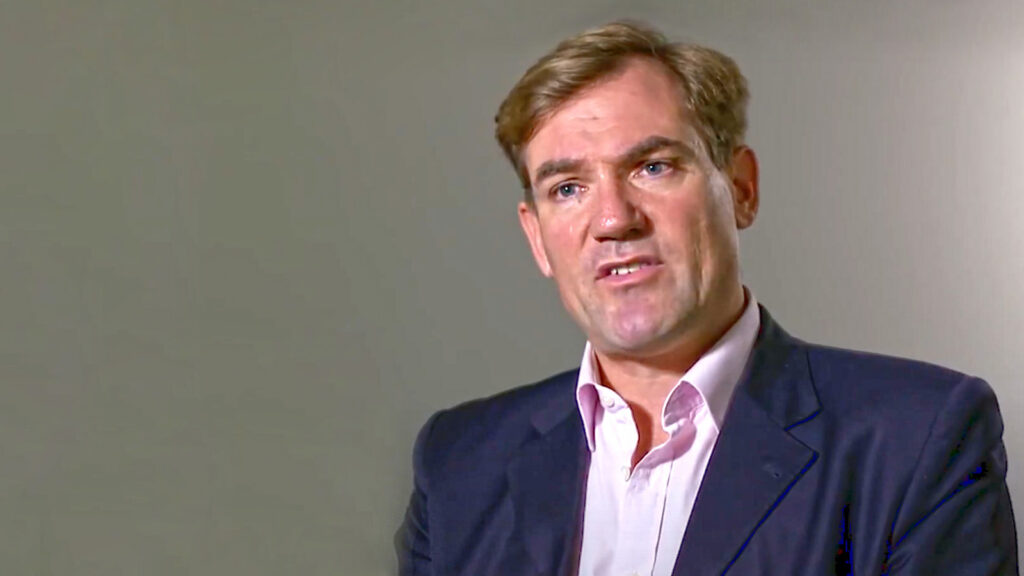
Despite this feeling of normality, and perhaps complacency, “inflation remains the wild card,” says Eric Stein, CIO of Eaton Vance’s Fixed Income team. The multi-asset manager, recently acquired by Morgan Stanley Inc., recently published its latest quarterly missive outlining many concerns, and a few opportunities.
In a busy first quarter, “bond investors grappled with the prospects of strong growth and higher inflation,” which resulted in a rare spike in volatility. The bond market’s version of the VIX (volatility index), known as the ICE BofA MOVE Index, reportedly spiked from an average of 58 during 2020 to 75 in February alone.
It was during this month that the US 10-year Treasury bond yield, one of the most important inputs into the pricing of everything from property to tech stocks, doubled to 1.74%, says Stein, while inflation expectations rose to an eight year high of 2.37%. In Stein’s view there are clear signs of bubble-like activity coming from the sustained negative real yields around the world, highlighting areas like “biotech, solar energy companies and cryptocurrency,” among others.
As specialists in emerging markets, Eaton Vance commented on the impact that the US dollar’s strength has had on the increasingly popular home for investor capital. The weaker USD remains a key input into emerging market attractiveness, with exchange rate differentials and cheaper cost of capital key to overseas businesses. A spike in real yields in the US, however, is a “sign that the market believes the US growth story,” which poses the risk of a flood of capital back to American shores.
According to Stein, markets are tending to agree with Federal Reserve Chair Jerome Powell, as they now “believe that most inflationary pressures are near=term, mostly due to an economy growing from a smaller base and disrupted supply chains.” This belief is somewhat required to justify allocations to some sectors of the market.
The fight between traders and central banks continues, with Stein highlighting that Eaton Vance is “seeing a divergence between the US Federal Reserve and the markets on the prospect for rate hikes.” He highlights that despite the fact that 11 of 18 Federal Open Market Committee members expect no change in the cash rate before 2023, the market is pricing in at least two such increases.
Where is the opportunity then? Stein says, “I believe the cyclical recovery is intact and that risk assets like non-investment-grade credit and EM currencies can still perform well in a rising rate market, if volatility continues to stabilise.”