Monday 28th July 2025
From law to ethical wealth: A journey to values-driven financial advice
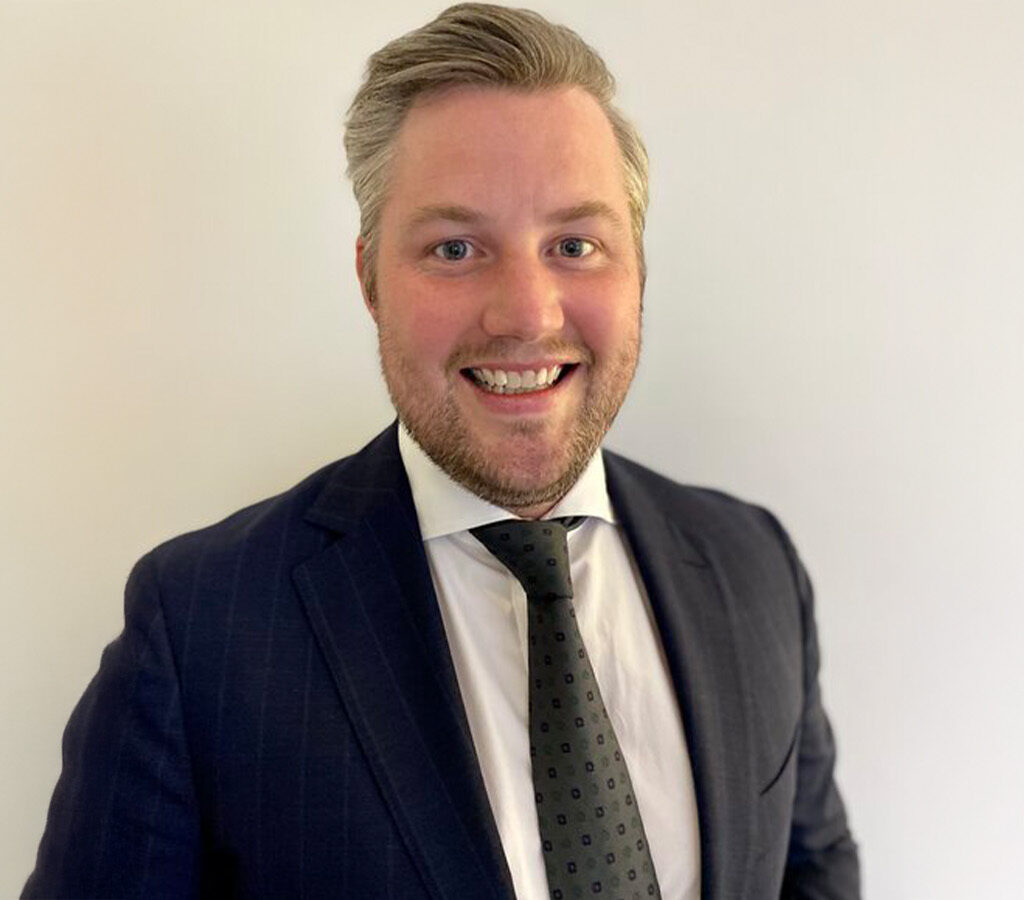
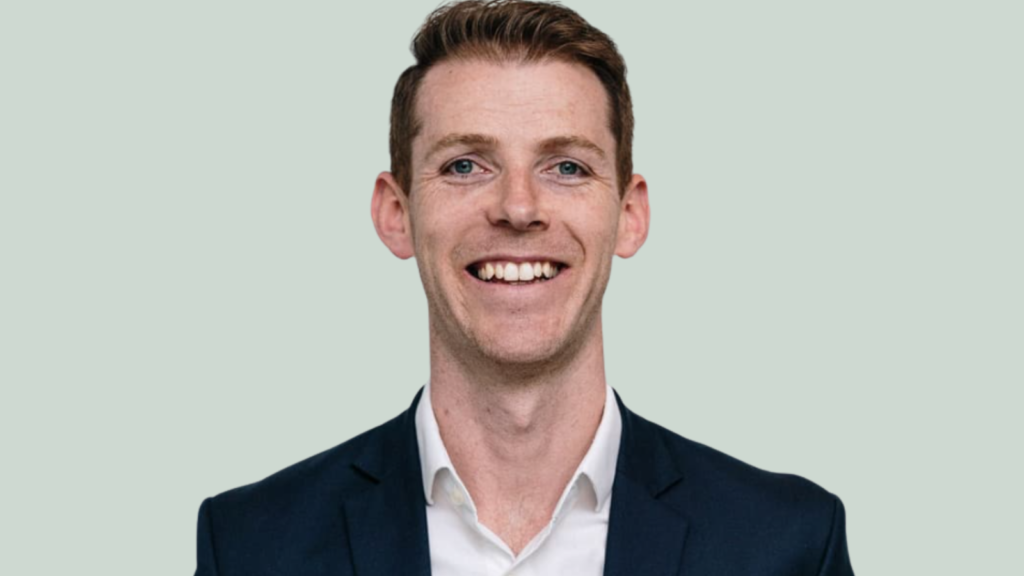
When Tom Robertson began his academic journey, he didn’t envision becoming a financial adviser. In fact, it was quite the opposite.
“I did not go to Uni thinking, ‘I’m going to be an adviser.’ I started doing law, then got a bit bored, so I went into business,” recalls Tom Robertson. But like many in the world of ethical investing, Tom’s path wasn’t linear – it evolved through a combination of intellectual curiosity, practical experience, and ultimately, a passion for helping people invest with purpose.
Today, Robertson is a financial adviser and director at Tas Ethical, a Hobart-based firm specialising in ethical investment strategies. His journey reflects not only the changing nature of the financial services industry but also the rising demand for values-based investing – particularly in regions like Tasmania, where environmental consciousness is embedded in the culture.
Robertson’s early career ambition was to become a share analyst. While working at an actuarial firm and completing a Master of Finance, he focused heavily on maths, quant analysis, and investment modelling. But it was an offhand comment from a colleague that shifted his trajectory.
“One of the actuaries noticed I spent more time walking around the office talking to people than sitting at my desk. He said, ‘Seriously, you need to be in a job that deals with people,’” Robertson says with a laugh. That suggestion led him to financial planning – a field where he could blend technical knowledge with meaningful client relationships.
His entry into the industry began with para-planning at a boutique firm in Hobart, followed by a steep learning curve at ANZ. “I wanted to grow as quickly as possible. So I joined the bank, said yes to everything, and met with hundreds of clients.” The bank environment gave Robertson the foundations – rigorous training, exposure to diverse financial situations, and the confidence to build a client base.
However, like many advisers of his generation, the fallout from the Hayne Royal Commission changed everything. “Then the bank made everyone redundant. I was pretty deterred by the whole process and started questioning whether advice was the right path,” he says.
With a newborn baby and a redundancy notice in hand, Robertson stepped away briefly from finance to focus on fatherhood. But soon the itch to build something meaningful returned. He trialled a short stint with a Launceston advice firm looking for a succession plan, but the fit wasn’t right. Then came the pivotal meeting with Stuart Barry, founder of Tas Ethical.
That meeting sparked a joint venture – Ethical Wealth Advice – which Robertson and Barry built from scratch. “Day one, zero clients,” he remembers. “We just started from nothing, and now we’re managing around $150 million.”
The firm, now merging fully into Tas Ethical, is a testament to Robertson’s tenacity and commitment to ethical investing. His client base is growing organically, with 40–60 new clients each year, a steady and intentional pace.
Their investment strategy is conservative by design: about 50 per cent in equities, split equally between domestic and global; 10 per cent in liquid property investments, and 40 per cent in term deposits, split between one-year, three-years and five-years. Tas Ethical uses term deposits instead of bonds, as most clients prefer simplicity and capital protection. The firm does not use separately managed accounts (SMAs) or complex alternatives: rather, the portfolio is a pre-determined mix of exchange-traded funds (ETFs) and managed funds, with ad hoc customised adjustments based on what individual clients want to support, avoid, or are neutral about. “It’s a values-based approach, but it also needs to be financially sound,” Robertson explains.
Most clients are environmentally driven, says Robertson: but social and governance elements are incorporated, especially with certain non-profit clients. Tas Ethical starts with the “greenest” portfolios possible; investments are reviewed for company actions, voting records, and transparency.
Although Robertson didn’t enter the profession with sustainability top of mind, his views have evolved over time – shaped by client expectations, global developments, and a deeper personal conviction
“Was it the driver initially? No. But after all these years, do I think it’s the smarter way to invest? Yeah, I probably do,” he says. “Tasmania is naturally green-leaning, so it makes sense that our clients are, too.”
He’s found that people increasingly want their investments to reflect their values, and that ethical investing doesn’t mean compromising on performance. Instead, it represents a thoughtful alignment between long-term financial goals and the desire to contribute positively to society and the planet.
Importantly, Robertson avoids preaching. “It’s not about being on a soapbox. It’s about asking what matters to the client, and building a portfolio that respects that.”
Robertson’s impact isn’t limited to finance. He also serves on the board of Tennis Tasmania, a role that keeps him connected to his long-standing love of sport and his belief in community contribution.
Balancing work, family, and board commitments isn’t easy – but it’s all part of the bigger picture. “When I took that career pause after ANZ, I had time with my first-born that I wouldn’t trade for anything. That period helped me clarify what I wanted for the next phase of my life and career.”
Looking ahead, Robertson believes that ethical investing will only become more mainstream – and that advisers must be ready to adapt.
“The next generation of investors is more values-conscious than ever. They’re asking tougher questions, not just about returns, but about impact. As advisers, we need to be transparent, informed, and open to change.”
At the same time, he warns against greenwashing and urges the industry to uphold integrity. “Ethical investing isn’t a buzzword. It’s a commitment. And clients can see through anything that’s superficial.”
As for his own future, Robertson remains focused on steady, meaningful growth – continuing to serve clients who want their money to matter.
“I didn’t plan this career,” he reflects, “but now I can’t imagine doing anything else. Helping people align their finances with their values? That’s powerful.”

Fran Hughes is an award-winning financial adviser, columnist, and Community Director of The Inside Network. She is passionate about showcasing thought leadership and innovation within Australia’s advice community.