Monday 19th May 2025
Finding yield without the landmines: An alternative playbook for sub-investment grade credit
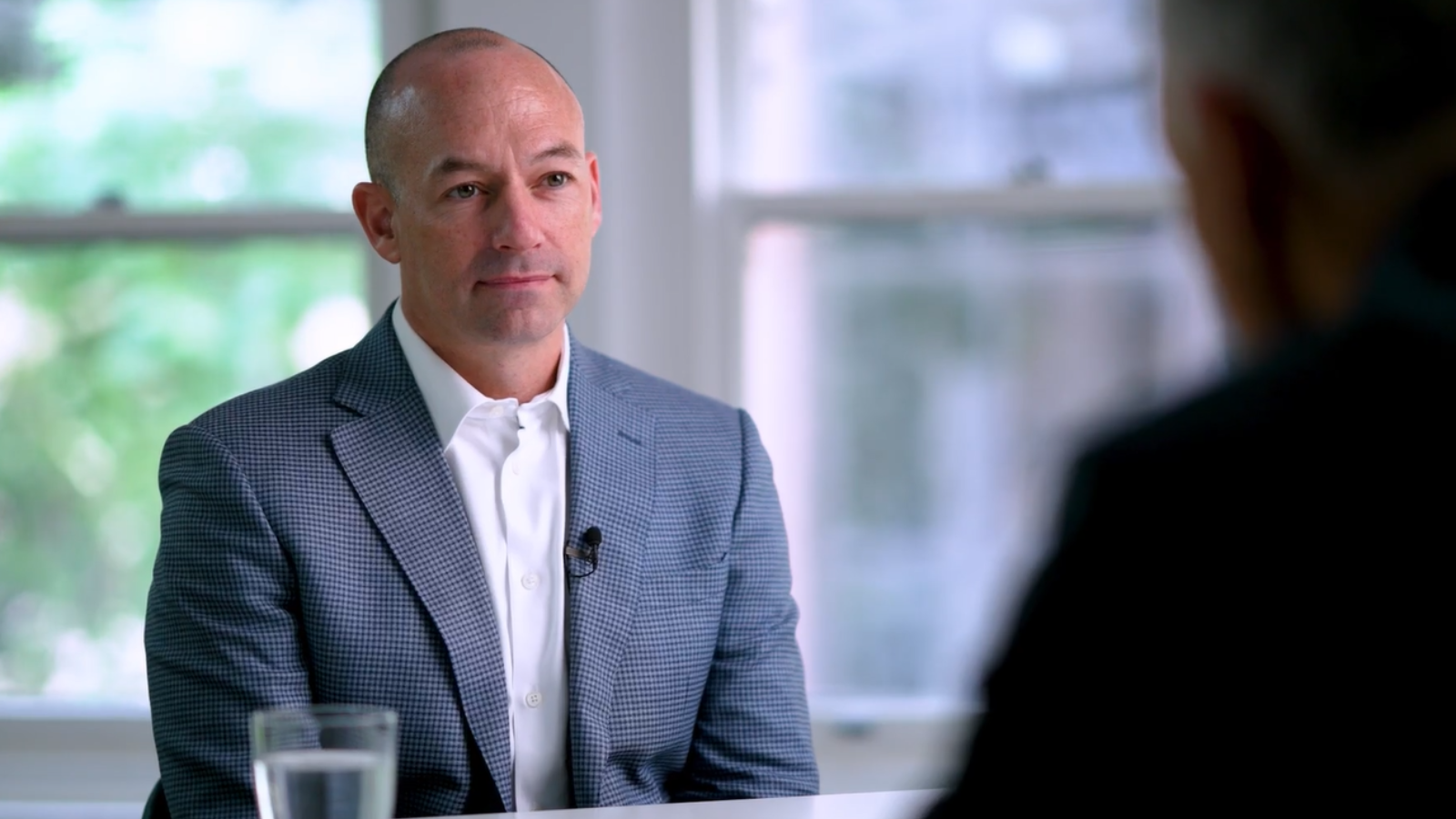
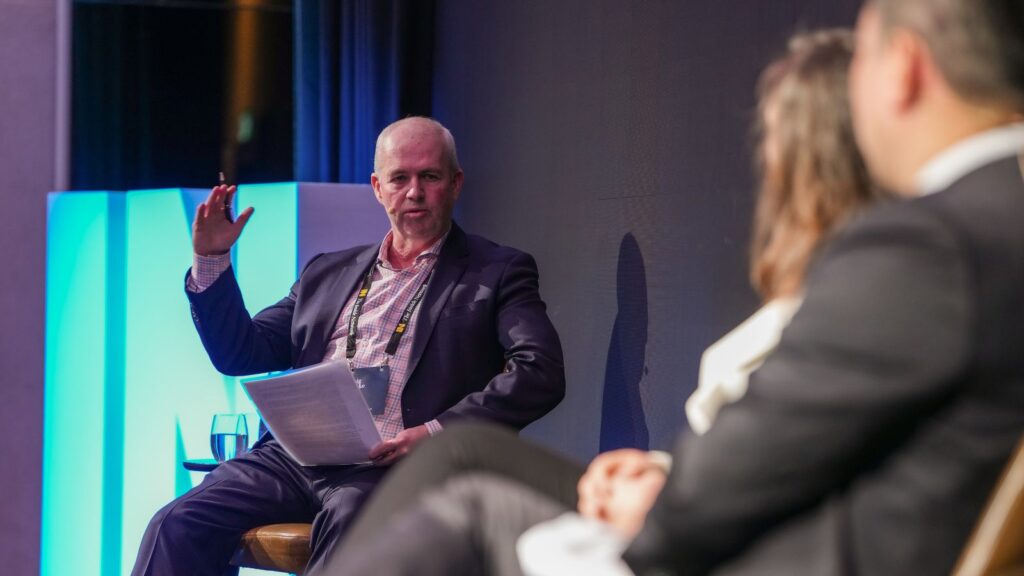
Private credit may be booming, but according to Joe Unwin, head of portfolio management at Apostle Funds Management, the volume of capital flooding into the asset class is becoming a problem. Speaking at the Investment Leaders Forum in Byron Bay, Unwin warned that not all growth is healthy—and not all yield is worth chasing.
It isn’t only investors who are shelving some of their habitual scepticism as the private credit boom continues apace. “We’re seeing managers do riskier deals, accept weaker covenants, and lend to borrowers rejected by the liquid credit market,” Joe Unwin, head of portfolio management at Apostle Funds Management, told the Byron Bay audience. “That’s not tactical – it’s dangerous.”
Unwin’s central message wasn’t to avoid sub-investment grade credit altogether; quite the opposite. His position was that the space offers some of the best risk-adjusted returns available – if approached with discipline and structural foresight. “The key,” he said, “is to build resilience into the portfolio by focusing on sectors with naturally lower credit risk.” In other words, don’t just depend on manager skill. Invest in parts of the market where the risk is already better contained.
He described Apostle’s approach as “risk-focused credit” – a philosophy built on identifying structurally defensive sectors that still deliver high yields. Unwin pointed to three in particular: infrastructure credit, alternative real estate debt, and bank loans. Each of these, he argued, offers a compelling yield profile without the default dynamics that plague the riskiest parts of the credit spectrum.
Take infrastructure credit. Not the project-finance kind most people associate with airports or toll roads, but corporate debt issued by companies that own or operate essential infrastructure. Think telecommunications networks, utilities, waste management. “These aren’t sexy sectors,” Unwin said. “But that’s exactly the point.” Their businesses don’t disappear in a downturn. Their default rates are 75 per cent lower than the corporate average, and recovery rates, when things do go wrong, hover around 77 per cent. The kicker? These bonds trade at similar yields to more volatile corporate credit.
Next came alternative real estate debt, with a focus on offshore markets. Unwin singled out the Freddie Mac K-Deal program in the United States, where a small subset of vetted managers are allowed to purchase the unrated tranche of securitised multi-family housing debt. “There’s only a handful of firms that get access to these deals,” he said. “And over 15 years, realised losses have totalled just two basis points.” Compared to the lower-transparency, higher-risk world of Australian real estate debt, the contrast was stark. “You get the same yield. One is structured by a US government agency; the other might not even disclose what the underlying properties are.”
His third pillar – bank loans – may seem more conventional, but Unwin argued it remains misunderstood. “Loans offer higher yields than high-yield bonds, despite having less risk,” he said. The reason is twofold: loans are floating-rate, which insulates them from interest rate volatility, and they’re typically senior secured, meaning they sit higher in the capital structure. “Add in the fact that they’re issued by private companies – something that spooks some investors despite no real informational disadvantage – and you’ve got a segment that consistently delivers better risk-adjusted returns.”
Throughout his thesis, Unwin returned to a key point: in credit markets, risk isn’t always compensated. “If you go too far down the capital structure, you don’t necessarily earn more – you just take on more downside,” he said. A 30-year chart of US credit returns illustrated the point: double-B credits offered higher returns than investment-grade. But go below that, and the return curve flattened, even as volatility spiked. “There’s a limit to how much you can extract from lower-rated credit before the risks overwhelm the return.”
Unwin was also candid about the pressures shaping the current environment. “With so much money chasing deals, some managers are stretching too far,” he said. “And that’s fine until it isn’t.” His warning wasn’t alarmist; it was clinical. Avoid the landmines by avoiding the conditions that create them. Choose sectors with low historical default rates, strong structural protections, and barriers to entry that keep competition rational.
Apostle’s approach blends liquid and illiquid credit, taking advantage of depth in the US market while avoiding concentration in the riskier end of domestic private credit. Unwin was clear that the strategy isn’t about chasing yield. It’s about retaining it – by making sure defaults don’t eat into it. “If you avoid losses, the high yield comes through,” he said. “If you don’t, you can give it all back – and more.”
In a landscape increasingly defined by speed, scale, and yield-chasing, Unwin’s comments served as a reminder that credit investing is still a game of patience, structure, and realism. “Private credit is a fantastic asset class,” he said. “But it’s not magic. The goal isn’t to find the highest return. It’s to find the return that actually holds up.” And for that, a defensive structure might just be the most offensive advantage of all.

James is an experienced senior journalist and editor of The Inside Network's publications.