Monday 13th July 2020
Economic Outlook: Part 2
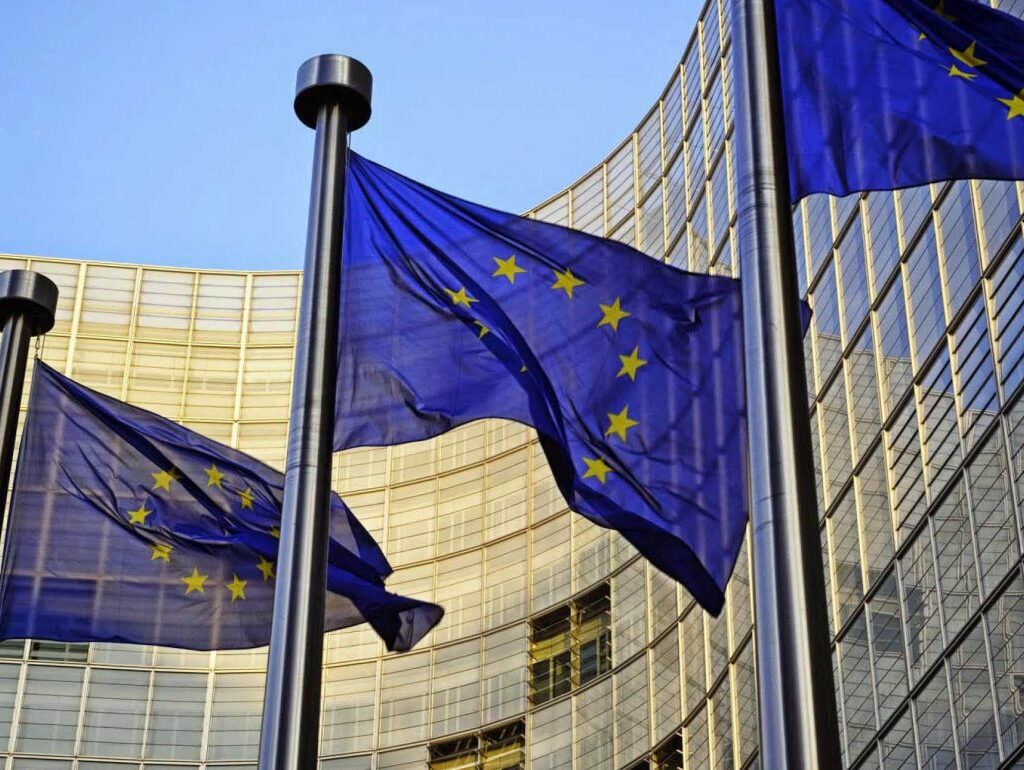
Despite being the secondary epicentre of COVID-19 the European experiment may be turning the corner, with unprecedented events finally delivering consensus on fiscal and monetary policy. This is not without pain, with the economy contracting 3.6% in March behind multi-decade record contractions of 5.3% in France and Italy and 5.2% in Spain. The ECB is predicted a 9% contraction in growth for the year.
Europe
Despite being the secondary epicentre of COVID-19 the European experiment may be turning the corner, with unprecedented events finally delivering consensus on fiscal and monetary policy. This is not without pain, with the economy contracting 3.6% in March behind multi-decade record contractions of 5.3% in France and Italy and 5.2% in Spain. The ECB is predicted a 9% contraction in growth for the year.
Unemployment has seemingly held up better than expected, increasing to 7.3%, though payroll programs and a lack of reporting are likely hiding the pain, particularly in the tourism focused areas. After an initial misstep, the ECB and member states appear to have got the message, rolling out an incredible stimulus, doubling quantitative easing to $1.5 trillion and ensuring cheap credit is made available to consumers and businesses alike.
The EU has come together, agreeing to share the burden and guarantee another $750 billion in debt used to fund the entire region from January 2021. Italy and Spain are set to receive 20% each and France 10%. Importantly, many of these will be structured as grants, rather than lows offering the greatest chance of recovery. A key focus of this policy and a signal for the future, has been the requirement for member states to commit these funds towards digital transformation and the transition to carbon neutrality, benefiting the clean energy and sustainable economies; a lesson for Australia.
United Kingdom
The UK economy, one of the few that reports on a monthly basis, contracted the most since World War 2 in April, falling 20.4%. Officially, unemployment has remained low at 3.9%, however, this has clearly been delayed due to the Government’s decision to fund some 80% of most salaries via its Job Retention Scheme, not unlike our Job Keeper program.
This program has meant UK’s stimulus of $66 billion exceeds that issued during the GFC, representing 2.5% of GDP. The central bank has responded by cutting rates to just 0.1% and engaging in QE totalling close to $250 billion in both Government and investment grade bonds.
PM Boris Johnson is coming under increasing pressure for the poor handling of the COVID-19 outbreak but will likely survive despite an expected 10% contraction in the economy for 2020. However, the Government continues its transition away from the Euro Zone, with trade negotiations under way across the world including with Australia and India.
India & Japan
Japan is another recession, contracting 1.9% in December and a further 0.6% in the March quarter. Exports fell more heavily than imports, -6% versus -5%, and are likely to get worse before they get better. The Bank of Japan embarked on the world’s biggest stimulus, $1.1 trillion, despite the country dealing with the pandemic quite well.
The stimulus package bodes well for the future particularly as global companies move away from China. They will be financing companies, offering rental assistance, boosting healthcare payments and maintaining yield control policies. Japan offers an insight into the future, as the concept of Modern Monetary Theory gains traction. Japan evidences the fact that inflation isn’t guaranteed as a result of running budget deficits and when rates are low there is little need to repay debt by raising taxes.
The Indian economy managed to grow at a slower pace in March, 1.1%, with expectations of a 7.2% contraction ahead. The economy has all but frozen with stringent shutdown measures and weaker than expected stimulus announced thus far. Modi has taken the opportunity to direct funds towards the modernisation of key sectors of the economy including farming infrastructure, self-sufficiency and domestic coal mining.

Drew is editor of The Inside Network's publications and a principal adviser at Wattle Partners.