Tuesday 19th March 2024
CSLR adds to the burden on industry it's meant to support: FAAA
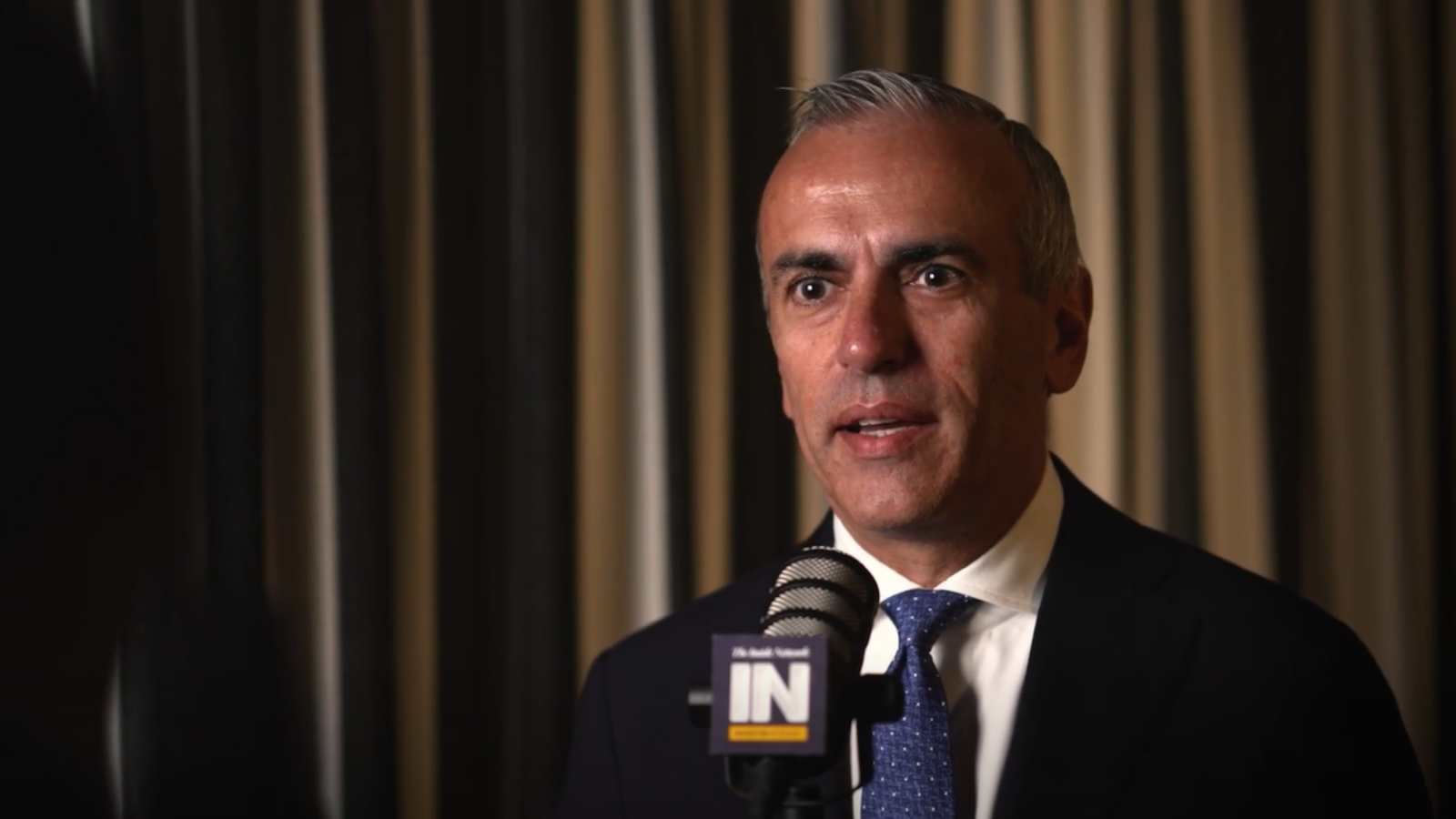
There are several bones of contention that the FAAA, and the industry more broadly, has with the compensation scheme's settings, despite supporting it in principle. At the heart of it is the government's repeated willingness to foist retrospective punishment on the good for the sins of the bad.
The Financial Advice Association of Australia has reacted strongly to the release of estimates for the government’s new Compensation Scheme of Last Resort, which look set to slug advisers will a bill for around $1,200 as part of the levy period starting July 1, 2024.
The CSLR is meant to strengthen the financial advice industry by giving consumers surety that they’ll be compensated up to $150,000 if the external dispute resolution frameworks fails, but that effort is negated by the financial burden it places on financial advisers according to FAAA chief executive Sarah Abood, who says the added cost will contribute further to the pressures forcing advisers out of the industry.
“The CSLR is intended to promote trust and confidence in the financial services sector and in particular, financial advice. However, if advisers are driven out of business by rising costs, through being made to pay for the poor behaviour of those who left the sector years ago, there won’t be a financial advice sector left to have confidence in,” Abood says.
The extra cost will either be born by advice practices, which could inhibit advice practice growth and curtail investment in new entrants, or passed on to clients. Either way, the FAAA argues, the scheme ends up harming consumers while it tries to protect them.
“Coming as it does on top of an historically high ASIC levy, this flies in the face of making advice more accessible and affordable for consumers, which is the stated aim of our government.”
The brunt of the burden
The CLSR this week advised industry that the first and second levy period estimates were $4.8 million and $24.1 million respectively. The first period will be funded by the federal government while the second (and future) periods will be funded by the four industry subsectors being covered. Of these, financial advice will bear the heaviest burden with an $18.5 million bill, which the FAAA says equates to around $1,200 across 15,624 current advisers.
The FAAA has been a conditional supporter of the compensation scheme, which was recommended by the Ramsay Review and supported by Hayne in his Royal Commission final report. It’s purpose, according to the Ramsay Review, is to “promote trust and confidence in the EDR framework and the financial services sectors more broadly”.
But the scheme has been beset by controversy from the start, with the FAAA pushing back on the “narrow” list of financial services subsectors splitting the bill. The association, and the industry more broadly, have called for failed managed investment schemes – which come under the external dispute resolution framework, hence increasing the bill – to contribute to remediation, a move which has thus far been blocked by the government.
The retrospectivity kicker
The biggest bone of contention, however, is that the CSLR will bill advisers for legacy issues dating back several years and include money owed for the calamitous collapse of Dixon’s Advisory. Despite going into administration two years ago and losing its license last year, Dixons remains a member of the Australian Financial Complaints Authority and falls under the scheme.
There are around 2,000 complaints relating to Dixons with AFCA at present, with more to come. “All these complaints should be classified as legacy complaints, and funded by government,” the FAAA says.
Because the claims against Dixons are still being made, and the retribution payments are based on the date the claims are made rather than when they are lodged, most of those claims fall in the second levy period, which advisers are paying for, rather than the first levy period, which the government covers.
It also means advisers in 2024 are directly paying for the malfeasance committed by groups several years ago.
“This flies in the face of the intent when setting up the scheme, as it will now become almost wholly retrospective in the way it applies to financial advice, well into the second and later years of operation,” the association states.
“We are urgently calling on the government to remove retrospectivity by covering historical claims based on the date the claim is made, not the date the claim is finalised,” Abood adds.