Thursday 27th November 2025
Compo scheme leaves advisers and their clients in the lurch – again
Every time there’s a financial implosion triggering a claim on the Compensation Scheme of Last Resort, it’s the innocent left picking up the pieces. Even the Financial Services Minister Daniel Mulino has conceded as much, adding further weight to the push to make the scheme more equitable.
Financial advisers and their clients have again been left holding the Compensation Scheme of Last Resort (CSLR) bag with the release of the Initial Levy Estimate of $137.5 million for the 2027 financial year.
It’s an estimate that’s likely to prove conservative as it excludes any impact from the potential fallout of the Shield or First Guardian implosions where lost retirement savings are expected to exceed $1 billion – a point emphasised by the SMSF Association (SMSFA) and the Financial Advice Association of Australia (FAAA).
Both organisations stress that the 2027 estimate, which assigned $126.9 million of the total levy to the personal financial advice sub-sector, again demonstrates the disproportionate cost borne by the financial advice profession.
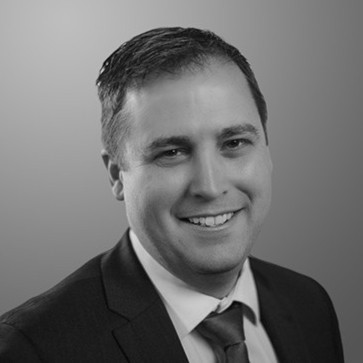
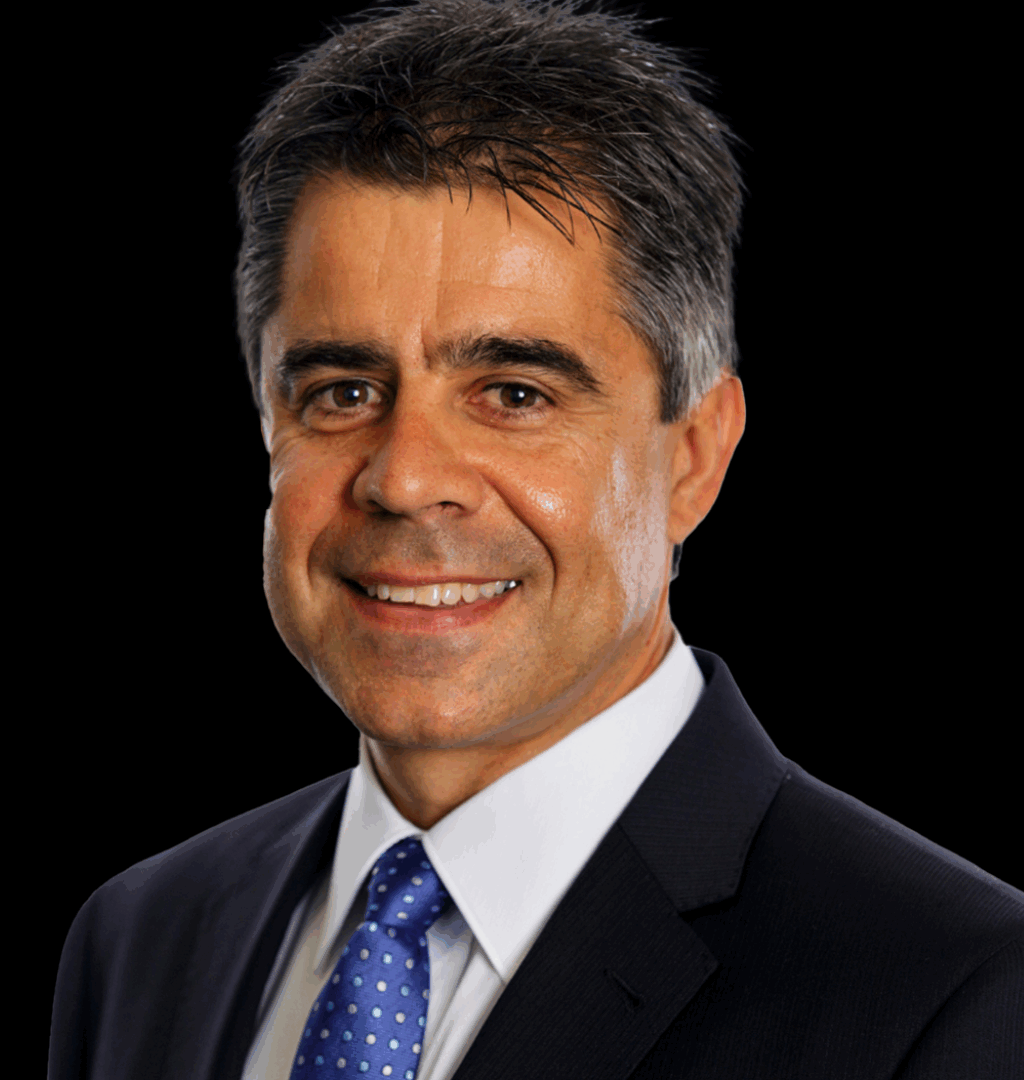
“We support the principle of a last-resort compensation scheme, but it is unfair and unsustainable to expect the financial advice profession alone to pick up the cost of failed advice and products,” says SMSFA chief executive officer Peter Burgess (pictured).
Noting that the scheme itself acknowledged that a revised estimate in mid-2026 was expected to increase should (Shield or First Guardian) claims materialise, he says it’s creating a level of uncertainty with advisers being asked to absorb “rising and unpredictable costs” stemming from failures in which they played no part, and there is no indication that the frequency or scale of these failures is easing.
To compound the situation, the advice sector is still waiting to hear if it will be required to pay a special levy to fund the previous levy period’s shortfall of more than $50 million, which, on reflection, now pales in comparison.
Both the SMSFA and FAAA want the government to urgently release the findings of the Treasury-led review of the CSLR, commissioned earlier this year.
“We are keen to see the release of the Treasury report into the CSLR and the government’s response,” says FAAA chief executive officer Sarah Abood. “The problems will rapidly get substantially worse if urgent action is not taken, putting the ongoing existence of the scheme at risk.”
Like Burgess, she stresses that the current estimates do not include any allowance for the impact of either Shield or First Guardian, although numerous announcements by ASIC suggest these are very substantial matters where financial advice complaints are likely.
Consumer compensation
“This paints a picture of multiple years of claims that are substantially above the sector cap. The vast bulk of CSLR claims have been generated by a small number of medium-to-large firms, and by the collapse of financial products – a sector that makes no contribution to consumer compensation under the CSLR.
“By contrast, most of those paying these levies run excellent compliant small businesses (92 per cent of advisers work in firms with 10 or fewer advisers) who have done nothing wrong.”
She adds that the government’s plans in relation to allocating costs above the $20 million sector cap are unknown – but clearly the financial advice profession should not and cannot cover this.
“Urgent action is needed to fix the CSLR funding mechanism, otherwise this will decimate the advice profession, further drive up the cost of advice and put professional financial advice out of the reach of the average Australian,” she says.
That the scheme is inequitable in its current structure was implicitly conceded by Financial Services Minister Daniel Mulino in a recent address when he said financial advisers had “fairly” pointed out that none of the recent spate of fund collapses were “all about advice.”
“There were other points of failure which we need to investigate and which are being investigated. And that’s a fair point,” Mulino said. “I can just tell you that just about every part of the financial services sector feels frustrated that they’re involved. It’s a situation where there’s no straightforward answers and where nobody much wants to be involved in contributing to that levy.
“That’s why I’ve publicly stated that an option is to try to spread it widely to not put too much burden on any part of the financial services sector. But I do get that when that kind of option is looked at, many will come back and say, ‘Well, why are we involved?”
Mulino is quite right. Any sector of the industry at arm’s length from these financial impositions is going to strongly resist contributing, with the Super Members Council (SMC) representing the profit-to-member funds already planting its flag in the sand.
“Our funds are tightly regulated. They must keep money aside for emergencies and follow strict rules to protect their members. The answer to the Shield and First Guardian collapses is not to send the bill for those risks to millions of everyday Australians in the mainstream super system,” says SMC chief executive Misha Schubert.
“It’s just not fair to ask 12 million low and middle-income Australians in the highly regulated super system to pay for compensation for other parts of the financial services system.”
Everyone agrees. The scheme is failing. But finding common ground on an equitable funding solution is akin to herding cats, as Mulino is rapidly discovering.