Thursday 9th December 2021
BlackRock tilts towards China ahead of a recovery in 2022

And just like that, the year is almost over.
As 2021 comes to an end, there’s a lot to celebrate, both good and bad. The pandemic is largely behind us, with multiple vaccines administered across the world, but at a great cost and a hefty debt bill. But there is light at the end of the tunnel, with a long list of lessons to be learned to be better prepared, if such an event were to occur again.
According to a research note released by the BlackRock Investment Institute, there are three key lessons to take away from 2021, of which investors should take note:
- The “new nominal” – inflation is rising, on the back of economic restart
- Net zero – The decarbonization journey has begun
- Courage of conviction – conviction is key in a divergent world
New Nominal
BlackRock says, “the powerful economic restart is broadening, with Europe and other major economies catching up with the US. We expect a higher inflation regime in the medium term – with a more muted monetary response than in the past. Tactical implication: We are overweight European equities and inflation-linked bonds, and upgrade EM local debt to overweight.”
The BlackRock research note talks about the “new nominal,” a period in which the US Federal Reserve will take on a more muted monetary response to counteract the rising prices. In many ways this is uncharted territory. Supply bottlenecks triggered by unprecedented demand during the pandemic have led to the sharp rise in inflation and central bank stimulus efforts to lessen the economic impact.
BlackRock says, “The COVID19 shock was more akin to a natural disaster, followed by a powerful restart of economic activity. This restart is nothing like the long, grinding recovery following the 2008-2009 financial crisis. It’s more like the world turned the lights back on. Economic activity surged, corporate profits rebounded at an astonishing pace in the restart, and developed market (DM) equities ripped.”
The knock-on effect from massive stimulus saw a corporate earnings bounce driven by strong household spending on goods rather than services. And that caused supply chain bottlenecks such as the semiconductor shortage. The end result is a rise in inflation. Usually central banks would raise interest rates to combat rising inflation; not this time. BlackRock sees this as a short-term demand-related surprise. Yields will go higher.
Net Zero emissions
The journey for the world to decarbonize and reach net-zero emissions is well underway. BlackRock says, “the transition to a more sustainable world is happening now, not at some distant point in the future. First, surging fossil fuel prices in 2021 have exposed a lopsided transition toward low-carbon power. We still see an orderly transition in the medium term – but with bumps on the way leading to growth and inflation volatility.”
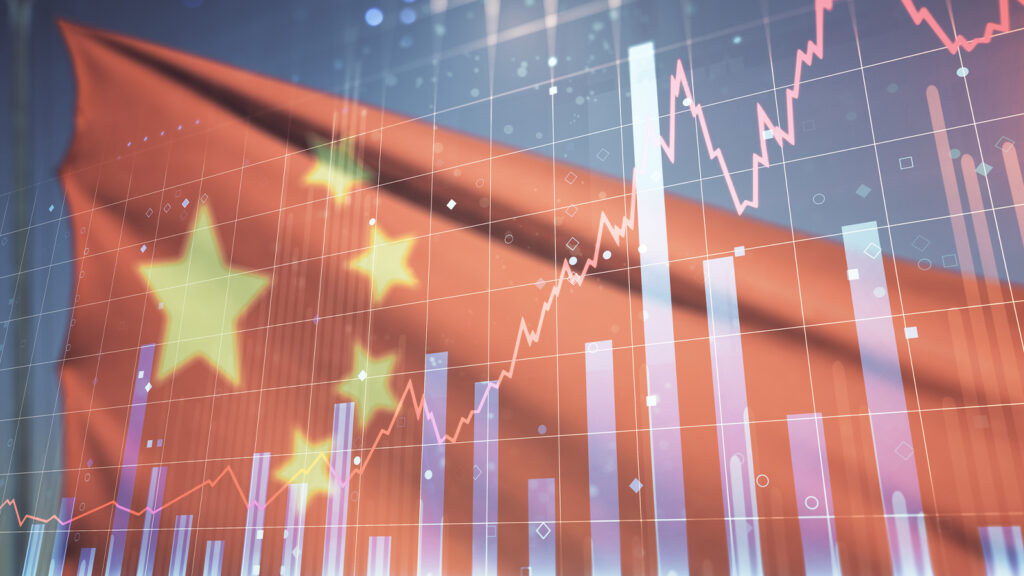
Carbon-heavy companies are acting now and not waiting for policy changes, and are changing their framework and business model. The knock-on effect here is the opening up of new markets and investment opportunities. BlackRock says, “Having courage of conviction is not about adding risk per se, it is also needed when your framework tells you it’s time to pull back on risk-taking,” says BlackRock. Commodities such as lithium and copper will see increase demand. In summary, BlackRock is “risk-on,” with a preference to Chinese stocks, which are cheap. The MSCI China Index is trading at 13x compared to India’s 22x.

Ishan is an experienced journalist covering The Inside Investor and The Insider Adviser publications.