Friday 6th June 2025
Beyond the honeypot: Why investment bonds are back in vogue for inter-generational wealth
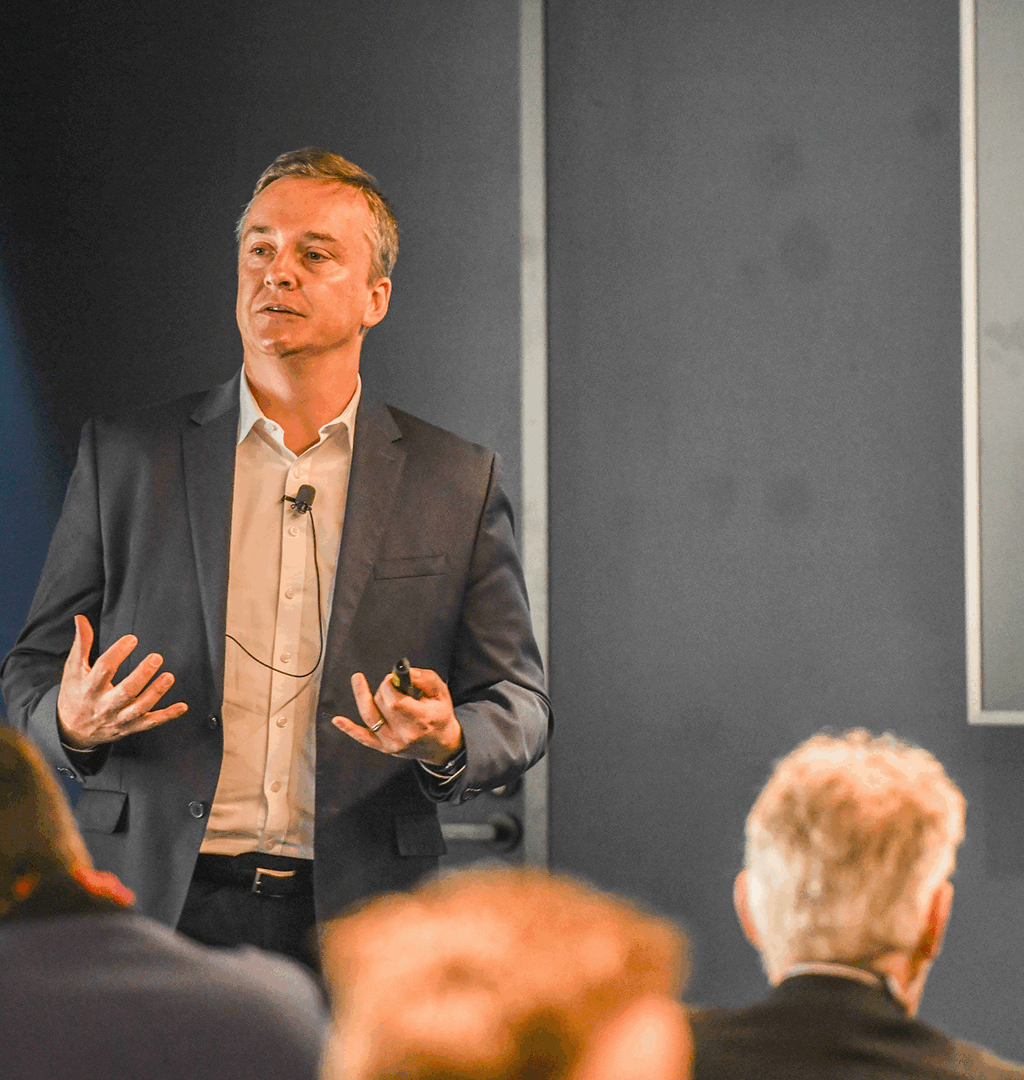
Speaking at The Inside Network’s INPractice Masterclass, Tom Huntley of KeyInvest highlighted the resurgence of investment bonds as a flexible, tax-effective solution for intergenerational wealth transfer amid tightening super caps.
As Australia’s financial services landscape grapples with an ageing population, inter-generational wealth transfer and a tightening tax regime around superannuation, the need for strategic investment solutions beyond the super system is more urgent than ever. Speaking at The Inside Network’s recent INPractice Masterclass series, Tom Huntley of Adelaide-based KeyInvest delivered a compelling case for the reconsideration of investment bonds, funeral bonds, and broader non-super investment structures as critical components of a modern adviser’s toolkit. With the average advised client now aged 58, and baby boomers comprising an estimated two-thirds of clients, the industry’s attention is rightly focused on retirement planning and estate management. However, as Huntley noted, superannuation — while still the most tax-effective long-term investment vehicle — has key limitations that necessitate a broader conversation.
One of the primary drivers for investing outside of super is the simple fact that super is not always accessible. For clients who wish to retire before preservation age or who want to maintain liquidity and financial control over certain assets, investment bonds (formerly known as ‘insurance bonds’) offer a powerful alternative. “Super is the bread and butter, but it’s not necessarily everything,” Huntley told the room. “You’ve got family dynamics that mean wealth needs to pass to certain people, and you can’t always do that through super’s binding-nomination framework”. Moreover, the contribution caps and the emerging threat of Division 296 tax, which targets balances above $3 million, are causing clients to seek flexibility that super can’t always provide.
The policy environment only intensifies this need. With the Albanese government comfortably returned to power and looking likely, at this early stage, to secure even a third term, the legislative runway for further tax reforms has lengthened. Huntley emphasised that the government sees tax concessions on super as a “foregone cost” and as the Inter-generational Report forecasts ballooning healthcare, aged care and National Disability Insurance Scheme (NDIS) liabilities, it’s seeking ways to contain this expense. “Division 296 may be the beginning of broader tax reform,” he warned.
Huntley also zeroed-in on the impending great wealth transfer — estimated by the Productivity Commission to reach $3.5 trillion by 2050, and potentially more than $5 trillion, according to the 2024 Bequest Report from JB Were. He highlighted the inherent risk that comes with large inter-generational bequests, especially when family structures are complicated. With declining fertility rates and increasing divorce rates, many estates are now being divided more widely, among stepchildren, estranged relatives and vulnerable beneficiaries.
“The average family unit is no longer nuclear,” Huntley said. “More than half of wills are contested, and when the estate is valued over $3 million, challenges succeed in 100% of cases, to some degree”. In some cases, beneficiaries may be young or vulnerable, with low financial literacy. Many people worry their wealth may be squandered through poor choices or legal fees, which can lead to desire for greater control.
Against this backdrop, investment bonds are experiencing what Huntley termed a “reawakening.” With a maximum tax rate of 30%, no additional tax liability, or required reporting to the ATO once held for ten years, the bonds can offer simplicity and certainty — especially in estate planning. They have no contribution caps in the first year, and allow 125% contributions each year thereafter without resetting the tax clock. Most critically, when beneficiaries are nominated, they typically bypass the estate (they become a non-estate asset when beneficiaries are nominated) and are paid tax-free to beneficiaries, regardless of relationship. “You can nominate whoever you want — your daughter, your stepson, a charity. There’s no restriction, and it avoids probate,” he explained.
Huntley presented a poignant case study to illustrate these dynamics: a 90-year-old client, recently widowed, with two adult children from his first marriage, two stepchildren from a second, nine grandchildren and seven great-grandchildren, wishing to ensure his estate is divided fairly while minimising potential disputes. In addition, there are cases of addiction issues among some grandchildren, estrangement within the family, and his desire to make regular gifts to his great-grandchildren. Investment bonds, Huntley argues, could offer tailored solutions: lump-sum distributions for some, structured disbursements for others, and inter-generational vehicles that provide funding at milestone ages or events, such as buying a home or completing education.
For advisers concerned with the rising complexity of client family dynamics, investment bonds provide a set of tools that simplify execution without compromising control. Restrictions can be placed on how and when beneficiaries access funds, including payment ceilings and future vesting dates. This means advisers can help clients build living legacies — enabling them to see the fruits of their wealth while alive, and retain some influence over its future use. “It’s not just about estate planning; it’s about lifestyle planning,” Huntley said. “It’s about helping clients feel that their legacy is secure and meaningful”.
Huntley was also candid about some of the myths that surround investment bonds. Chief among them is the belief that funds are inaccessible during the first ten years. “You can access your funds at any time,” he said. “The ten-year rule is about tax treatment, not liquidity. Life changes, and this is a flexible tool that adapts with it”. This flexibility extends to the tax treatment of withdrawals made within ten years, which are subject to marginal rates but offset by a 30 per cent non-refundable tax credit, limiting the net tax payable.
Beyond investment bonds, Huntley also encouraged advisers to revisit funeral bonds — not merely for their social security benefits, but for the peace of mind they offer. With up to $15,500 per person exempt from income and asset tests, funeral bonds can boost entitlements. More importantly, they provide liquidity at a time of distress, avoiding delays associated with probate and frozen bank accounts. “It’s about letting your client’s family grieve instead of scrambling for funds,” Huntley said.
For younger clients, Huntley noted a significant opportunity: the creation of a “non-super bucket” to fund early retirement or provide liquidity in the face of unpredictable tax liabilities, such as future Division 296 charges. One example he gave was a high-income executive in her 40s, already maximising her concessional contributions, who didn’t want super to dictate when she could retire. “She needs a structure that gives her control, clarity, and separation from policy risk. That’s another example where an investment bond can help,” he said.
In closing, Huntley reminded advisers of the balance between complexity and clarity. “The rules keep getting more complicated, but your solutions don’t have to,” he said. As superannuation policy continues to evolve, and inter-generational wealth begins to shift in earnest, it is imperative that advisers broaden the structures they recommend — not only to meet client goals but to protect family relationships, preserve wealth, and sustain their own business models. Investment bonds and funeral bonds may be old tools, but in this new era, they can offer clarity that is increasingly hard to find.

James is an experienced senior journalist and editor of The Inside Network's publications.