Monday 20th February 2023
Battle for market share rages as world's largest provider slashes core ETF fees
BlackRock sent a shiver through the domestic ETF market, which has tripled in the last four years to around $25 billion, slashing prices for two if its core products.
Behemoth investment manager BlackRock has fired the latest big salvo in the fight for a share of the burgeoning domestic ETF market, announcing dramatic fee cuts on two of its core index products.
On Monday BlackRock – the world’s largest asset manager with over $10 trillion under purview – announced that fees on its iShares Core S&P/ASX200 ETF (IOZ) would drop to 0.05 per cent, while the iShares Core Composite Bond ETF (IAF) would come in at 0.10 per cent.
The fee cuts represent a 44 per cent and 33 per cent respective discount to what were already slim margin products for the provider, and signal its intention to take the battle for domestic market share to competitors Vanguard and Betashares.
The three leading ETF providers have been bustling for primacy in the domestic market, which has tripled in the last four years to around $25 billion according to figures from the Reserve Bank of Australia.
According to BlackRock Australia, the fee cuts to its two core offerings make it the leader in terms of low-cost client offerings.
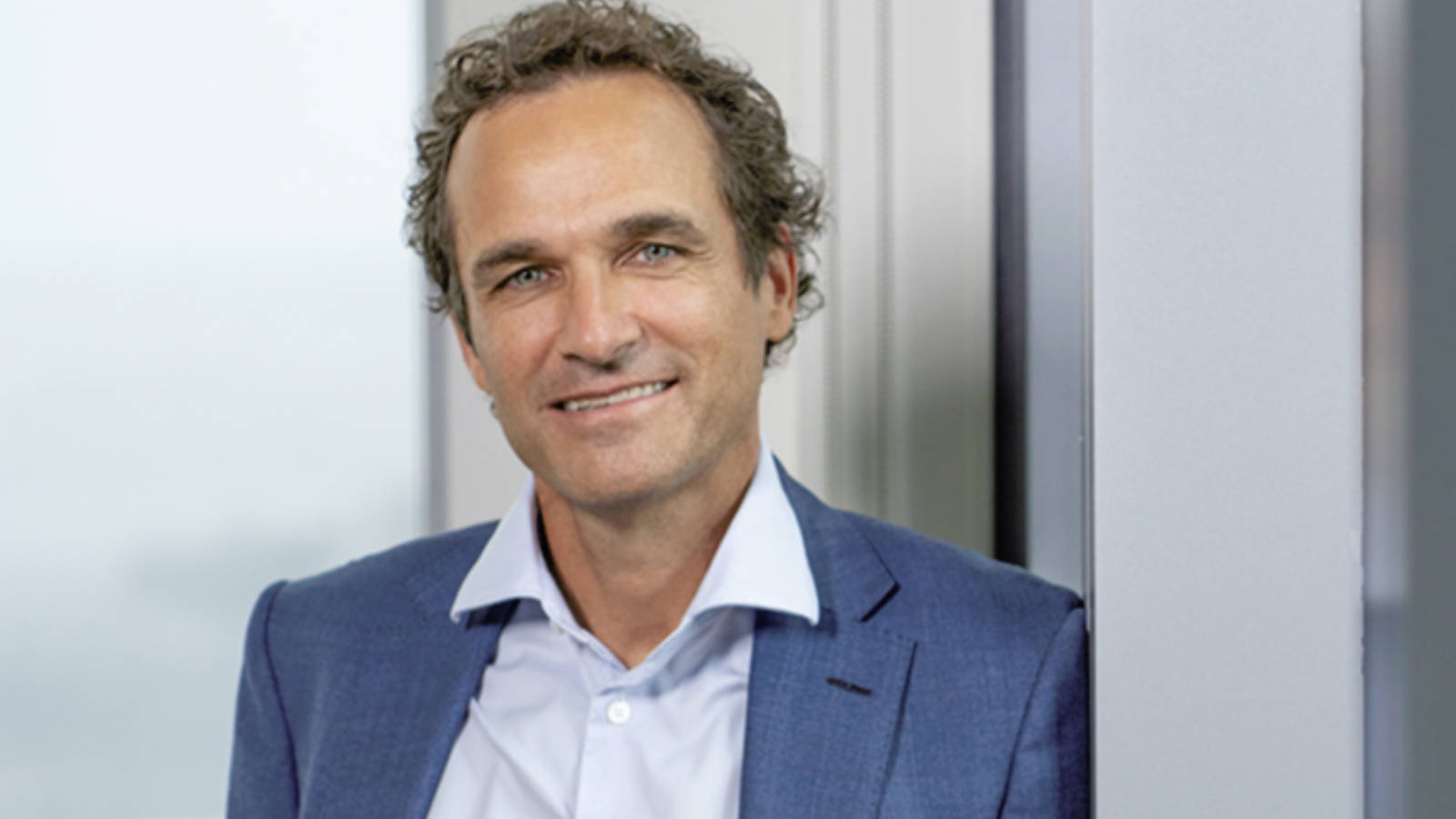
“As both the largest investment manager and the largest ETF issuer by assets in the world, BlackRock is committed to passing on scale benefits to Australian advisers and investors,” commented deputy head of BlackRock Australasia, Jason Collins (pictured).
“As more Australian investors move beyond individual security selection to holistic portfolio construction, indexing core exposures can simplify how advisers and investors build their portfolios,” he continued. “The additional fee savings can also be used for broader tailoring – which may include other specific ETFs for diversification or tactical purposes, or bespoke active management or alternatives exposures.”
As at January 2023 there are 240 ETF offerings in Australia, compared to approximately 1,766 in the US market.
Despite the meteoric rise in popularity of ETFs in the last decade, they remain a relatively small component of global financial markets for both equities and fixed income offerings. According to nasdac.com, ETFs represent 12 per cent of equity assets in the U.S., compared to 6.8 per cent in Europe and just 3.8 per cent in Asia Pacific. The market share for fixed income is even smaller at 2.3 per cent of fixed income assets in the U.S., 1.5 per cent in Europe and 0.02 per cent in Asia-Pacific.
Head of iShares and index investments for BlackRock Asia-Pacific, Peter Loehnert, made it clear that growth in the Asia-Pacific region is a core focus for the group.
“Reflecting on our continued growth in the Asia-Pacific region, it’s gratifying to see the broad spectrum of Australian wealth clients use iShares ETFs as core portfolio building blocks and whole portfolio solutions,” Loehnert said.
“We continually work to offer increased affordability to all types of investors. Our decision to cut the fees on two Australian core iShares ETFs is another example of how we are consistently focused on finding ways to pass on the benefits of our scale to investors to support them in achieving their individual financial goals.”