Monday 16th March 2026
Automation, optimism and opportunity: why the next generation is bullish on advice

For a profession that has seen significant change, Angus Taylor outlines the spectrum of opportunity for entrants to the advice community.
The advice profession has endured a turbulent decade. Regulation has tightened, adviser numbers have fallen and compliance burdens have grown heavier. Yet for a new generation of advisers, the outlook is far from bleak. In fact, many see the current environment as one of the most exciting entry points the profession has offered in years.
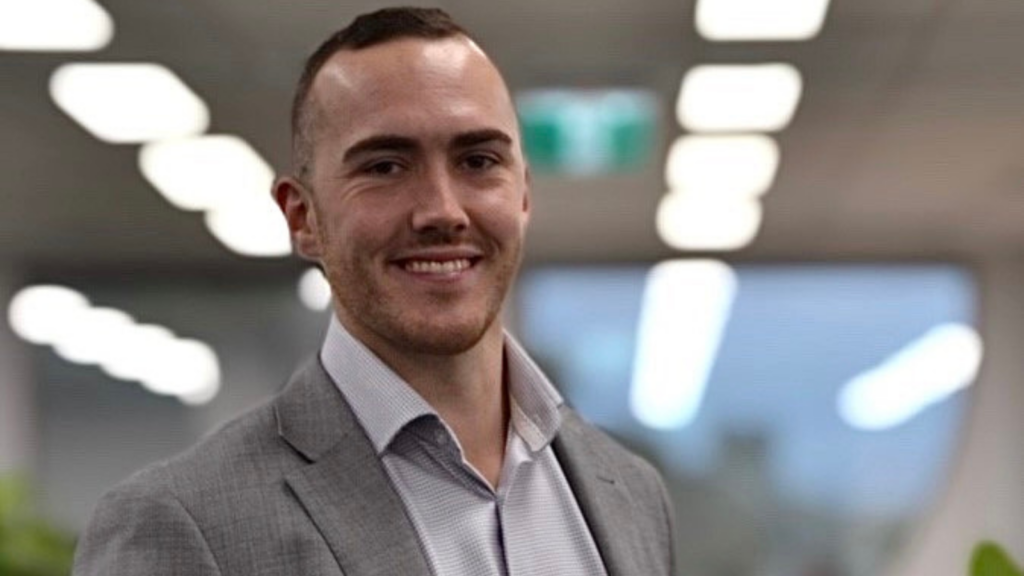
Gus Taylor, founder and senior financial planner at Sheffield Financial, is among those taking an optimistic view. Despite running a relatively small boutique firm, Taylor believes the opportunity to grow and innovate has rarely been greater.
“We’re a small firm that’s aiming to punch above our weight out there. We’ve seen some pretty aggressive growth, which is great, and we want to keep that going forward,” he says.
A boutique with big ambitions
Boutique advice firms are increasingly emerging as a defining feature of the modern advice landscape. As large institutions step away from vertically integrated advice, smaller practices have found space to build strong client relationships and distinctive value propositions.
For Taylor, the focus is clear: combine personal advice with operational efficiency.
Rather than accepting the administrative burden that has weighed-down many firms, he has spent significant time examining how technology can transform advice delivery.
“I think for the last six months I’ve been focusing on how we can make a really automated workflow and make it really smooth,” he explains.
“How can we do things ten times more efficiently than everyone else? How can we deal with ten times more clients? That’s what I’ve been trying to build.”
Technology as a force multiplier
The rise of artificial intelligence and workflow automation is increasingly being discussed as a solution to one of the profession’s greatest constraints, adviser capacity.
Taylor believes that technology has the potential to dramatically increase the reach of advice businesses, particularly if it removes the administrative load that consumes so much adviser time.
“The more admin and those boring tasks we can get off advisers, the more you can be in front of clients. And getting to know clients and having those deeper conversations with clients, that’s where you want to be.”
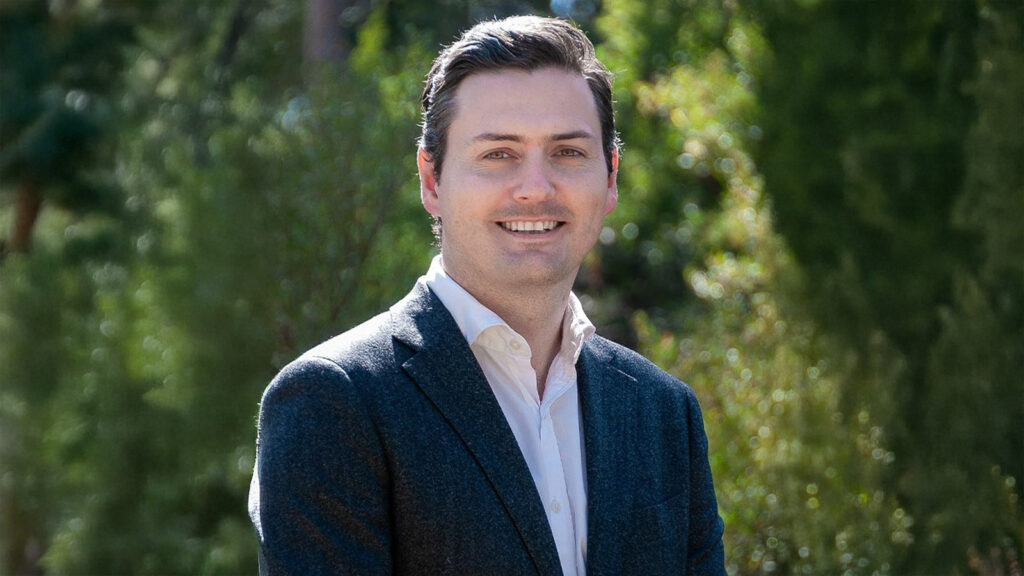
Angus Taylor, Sheffield Financial Group
In other words, technology should not replace advisers. Instead, it should amplify the human elements that clients value most.
“You don’t want to be in a dark room doing file notes or paperwork,” Taylor says. “You want to be with your clients.”
A profession full of opportunity
Despite the challenges facing advice, Taylor believes the profession still offers enormous opportunities for young entrants, provided they approach it with curiosity and a willingness to learn.
His advice to graduates and early career professionals is simple; avoid becoming trapped in a narrow role too early.
“Be aware if you’re jumping into a job and getting locked into one section of a business,” he says.
Instead, he encourages new entrants to explore different parts of an advice firm, from para-planning and administration through to client engagement and strategy.
“If you’re coming into your career, try and find a business or an opportunity where you can look at all different aspects of the business,” Taylor explains.
“Try all different areas of the business. The more you understand and the more appreciation you have for the finance industry, you can start to visualise where you want to be.”
Avoiding the ‘conveyor belt’
Large organisations can provide valuable experience, however, Taylor warns that young professionals should remain conscious of the risks of becoming overly specialised too early.
“The last thing you would want to do is get caught as a cog in a big wheel where you can’t progress and you can’t learn from other areas,” he says.
Instead, he encourages advisers to remain proactive in their development.
“Get out, learn as much as you can and keep networking,” Taylor says. “The more you know, the better.”
That openness to learning is particularly important in an industry that continues to evolve rapidly.
Navigating a dynamic future
Looking ahead, Taylor believes advisers must prepare for an environment that will remain unpredictable and fast-moving.
“We don’t know what 2026 is going to throw at us,” he says. “It’s going to be a crazy world out there.”
Technology, regulation and client expectations are all shifting simultaneously. For younger advisers entering the profession, adaptability will be critical.
“It’s super-dynamic,” Taylor says. “It’s always changing. There are new technologies, new regulations, and there’s going to be more and more pressure put on you.”
However, he sees this constant change not as a threat but as a defining characteristic of a profession that rewards innovation and resilience.
Mental health enters the conversation
Alongside technology and regulation, another theme is beginning to receive greater attention across the advice profession: adviser wellbeing.
Taylor believes firms must take the mental health of their teams seriously, particularly as the pressures of running advice businesses continue to intensify.
“One thing I probably didn’t even think about last year, and now it’s becoming more real, is taking care of yourself and taking care of your mental health,” he says.
For small firms especially, the wellbeing of staff is inseparable from the health of the business.
“The biggest asset I have in my business, even though I’ve only got a few staff, is the staff,” Taylor explains.
Performance through people
That focus on people reflects a broader shift in how many modern advice businesses are thinking about performance and growth.
Rather than purely focusing on revenue metrics, successful firms are increasingly prioritising culture, wellbeing and sustainability.
For Taylor, supporting his team is not simply a moral imperative, it is also a strategic one.
“How can I take care of them?” he says. “How can we do things to not only keep our mental health strong, but help others so we can keep performing at maximum performance?”
A profession rebuilding with confidence
The advice sector is still rebuilding after years of disruption. Yet voices like Taylor’s suggest that the profession is entering a new phase, one defined by entrepreneurial energy, technological experimentation and renewed purpose.
Boutique firms are growing. Younger advisers are entering the industry. And new technologies are beginning to reshape how advice is delivered.
For Taylor, the future ultimately comes down to staying curious, staying adaptable and continuing to invest in people.

Laurence Parker-Brown is head of content at The Inside Network and managing editor of The Inside Adviser and Investor Strategy News.