Sunday 20th August 2023
Australian materials slump for the week, amid weak economic data out of China
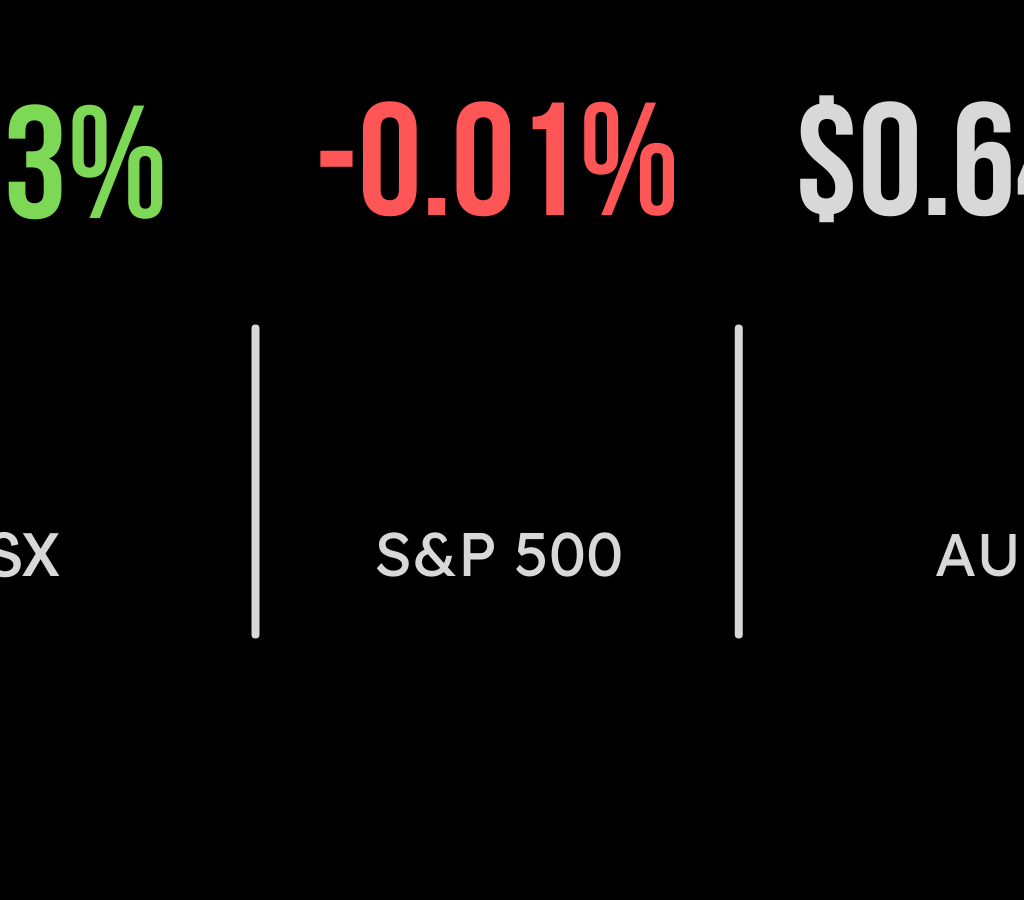
The S&P/ASX 200 eked out a mere 2.1 points increase on Friday, which helped reduce its weekly decline to 2.6%. This marks the most significant weekly drop in the Australian stock market since September 2022. The mining sector bore the brunt of the markets downturn, plummeting 4.3% throughout the week due to a series of weak economic indicators from China and waning investor confidence in Beijing’s efforts to stimulate a recovery. This uncertainty had a ripple effect on commodity markets, leading to a drop of approximately $US100 per tonne in iron ore prices and pushing the Australian dollar to a nine-month low. Among the mining companies, industry leader BHP, constituting around 10% of the benchmark index, managed to rebound on Friday, climbing by 1.4%, recovering from more substantial losses earlier in the week. Fortescue Metals also saw a rally, closing up 1% at $20.33, while Rio Tinto added 0.9% to reach $105.69.
Magellan surpasses expectations, and not for the reasons you suspect.
The prominent banking sector weighed heavily on the Australian market over the week, sliding down 3.6%. Commonwealth Bank, the largest lender in the country, experienced a 5.1% decline due to trading ex-dividend. On Friday, it continued its downward trend, closing at its lowest point since June, at 99.05¢. ANZ, Westpac, and National Bank all sustained losses exceeding 3% throughout the five-day period. The trading week was largely dominated by corporate earnings reports from major ASX players, including AGL Energy, Origin Energy, and CSL. One standout performer on Friday was Magellan Financial, which surged by an impressive 13.3% to $10.42, despite reporting a 52% drop in net income for the full year, amounting to $182.7 million. Magellan’s performance surpassed analyst expectations and was attributed to decreased fund management expenses and the announcement of a special 30¢ dividend.
US10Y Treasuries soar, making bond yields more attractive.
Over the last week the Dow Jones fell 2.2%, the S&P 500 fell 2.1%, and the Nasdaq fell 2.6%, as rising yields have turned investors’ attention towards US10Y Treasuries with attractive yields. The US10Y treasury yield has surged to 4.25%, nearing levels not observed since 2007, with contributing factors including, elevated U.S. Treasury issuance in August, credit rating downgrades by Fitch, and importantly, robust economic data (expected 5.8% third-quarter GDP growth, stronger-than-expected retail sales, housing starts, industrial production) – raising concerns that the FED has more to do to tame inflation. In company news, a string of Chinese ADRs (Chinese companies trading on the New York Stock Exchange) have plummeted, as the People’s Bank of China bolsters the Chinese yuan and Chinese Evergrande files for US bankruptcy protection. Consequently, JD.com Inc’s shares plummeted 4.8%, Bilibili Inc. saw a 6.4% decline, NIO Inc tumbled by 7.2%, and Alibaba Group Holding Ltd recorded a 2.9% decrease on Friday.

Drew is editor of The Inside Network's publications and a principal adviser at Wattle Partners.