Wednesday 9th December 2020
Australian investors happier, trust advisers - PIMCO
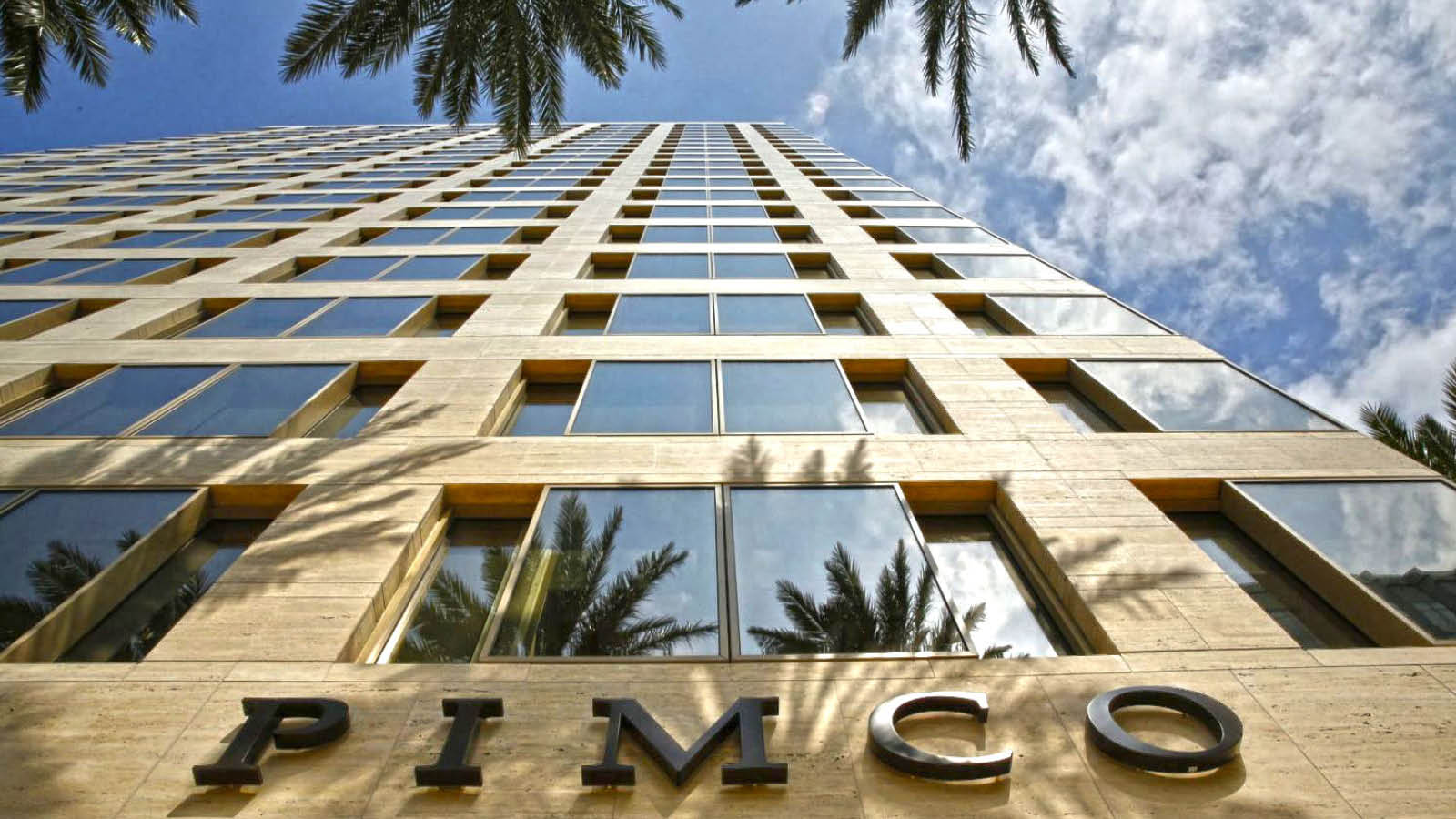
Global investment manager Pacific Investment Management Corporation (PIMCO) released the results of an extensive survey of Australian investors this week. The first of what will be a regular temperature check for investment markets, questioned 2,500 individual investors aged over 35 with liquid assets exceeding US$100,000 on key market indicators. The survey spanned five key Asia Pacific Markets, including Australia, Hong Kong, Japan, Singapore, and Taiwan, offering unique comparisons into investor sentiment in what have been some of the most successful countries in combatting the Coronavirus.
Questioned via phone in August, PIMCO says that the results highlighted the ‘importance of understanding possible biases affecting investment decision making’. By and large, Australian’s are highly optimistic, with their varying significantly from those in the rest of Asia. According to the survey Australian investors portfolios have been harder hit than most by COVID-19, with 60% claiming it had a negative impact, compared to the 51% average across the Asia Pacific.
Interestingly, the same cohort suggested they would ‘do nothing’ rather than attempt to time the market, which would have been the most successful strategy in 2020. Similarly, 45% of Australian respondents indicated the pandemic had reduced their confidence in decision making, with older respondents more likely to report a major hit to their confidence. This doesn’t come as a surprise, and whilst this was not a question included in the survey, I would suggest the issue comes down to older Australian investors laser-like focus on income. It has been the highest dividend paying companies, like the major banks including National Australia Bank, that have been among the hardest hit and taken the longest to recover.
Despite the negative news, 59% of Australian investors questioned put faith in their own experience for their investment decisions, highlighting the risk of over-confidence and confirmation bias. Across the rest of Asia, the result was closer to 48%. In what must be considered a show of confidence in the financial advisery sector, 58% of respondents indicated that were more likely to heed professional financial advice compared to 36% for the rest of Asia Pacific; trust in financial advisers and investment managers is clearly on the improve during this difficult economic period.
It would seem that the flood of ‘direct to investor’ products in recent years has reduced the trust in journalists and the media as a source of investment information and ideas, with just 26% of respondents trusting this source of information, falling to 21% for domestic media alone.
PIMCO also polled investors on their investment intentions, the results suggesting that Australian’s are now the most bullish in Asia, or perhaps were a little too negative to begin with. Every other major market indicated that their primary intention was to increase their cash holdings, whilst Australian investors flagged a preference for commodities, seeing buying outnumber selling by 10%. The next most likely destination was diversified, multi-asset strategies like traditional balanced funds.
On the outcomes of the survey, PIMCO reiterated the importance of advisers and managers being educated in behavioural finance stating “we have long believed that a deeper understanding of cognitive and emotional biases helps mitigate their effects and should help our clients make better investment decisions”.
PIMCO concluded by reiterating support for the industry, stating they “been a strong advocate for the benefit of advice and we were pleased but not surprised to see the level of trust that Australian investors have in their financial advisers. Relying on the expertise of investment specialists can be a helpful way of combatting cognitive and emotional biases when investing.”