Sunday 7th May 2023
ASX gains despite global weakness, ANZ, Macquarie deliver record results, property outperforms
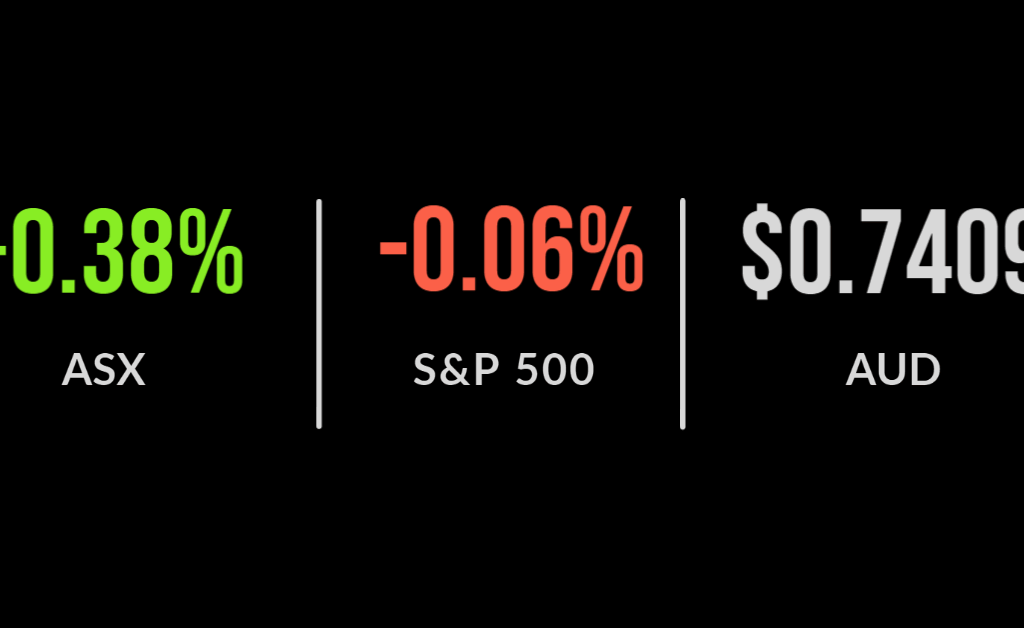
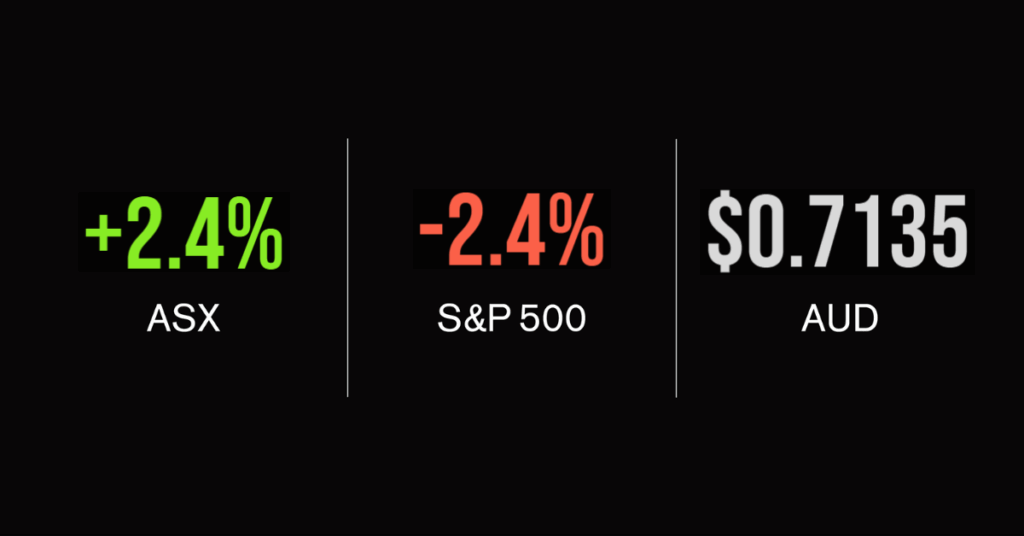
The local market managed a strong finish to the week, gaining 0.4 per cent on Friday, as ANZ Bank (ASX:ANZ) delivered a better than expected earnings result. However, it was the property sector that outperformed gaining 2 per cent behind rallies in Dexus (ASX:DXS) and Goodman Group (ASX:GMG) which both gained more than 3 per cent on the back of signs that the rate hiking cycle may finally have ceased. But all eyes were on the banking sector, with ANZ delivering a record first half profit of $3.82 billion on an improving net interest margin and a return to growth in residential mortgages; shares gained 1.4 per cent. Shares in Macquarie (ASX:MQG) were slightly lower despite the company reporting a record profit of $5.2 billion, a 10 per cent increase, which was driven by 38 per cent growth in the commodity division. This was of concern to investors given the higher variability, with the annuity style business shrinking by 17 per cent. Gold miners remained strong, with Evolution (ASX:EVN) gaining 2.3 per cent and 11.2 per cent for the week. The property and utilities were the highlight over the five days, up 2.1 and 1.4 per cent each, with financials falling 3.4 per cent on NAB’s weaker than expected result.
Apple boosts global markets, technology continues to outperform, Lyft gains market share
All three US benchmarks finished the week on a positive note, buoyed by stronger than expected employment data that showed another 253,000 jobs were gained dropping the unemployment rate to 3.4 per cent. This sent the Dow Jones and S&P500 up 1.6 per cent and 1.9 per cent, but not enough to offset losses for the week, with both finishing 1.2 and 0.8 per cent lower. The Nasdaq finished 2.3 per cent higher, on the back of a near 5 per cent jump in Apple (NYSE:AAPL), with the index gaining 0.1 per cent over the week. Apple was the standout after the company reported an unexpected increase in revenue, just 3 per cent, on the back of strong iPhone sales in emerging markets and the Middle East. Both iPad and Mac sales continue to weaken, by around 10 per cent, but the new Apple Card initiative looks set to boost popularity once again. Shares in Lyft (NYSE:LYFT) lost close to one fifth of their value after the company announced weaker than expected sales growth, but a 3 per cent gain in market share to 30 per cent, as the competition with Uber continues to heat up.
Banking crisis all part of the plan, US and Australia remain different, Apple points to earnings
While the headlines continue to focus on the incredible events occurring in the banking system, mainly in the US, this is all part of the plan for central banks. Increasing interest rates at the fastest rate in history was always going to challenge the liquidity of the financial sector, as depositors sought higher interest rates elsewhere with the resultant fall in credit exactly what the central bank is seeking to slow the economy. This despite the pain that consumers will experience in the meantime. It also highlights the stark difference between the US and Australia, with the former seeing a greater impact on the business sector from the recent rate hikes and the latter hitting the consumer directly. This is due to the fact that more business debt is held on variable rates in the US and mortgages in Australia. Apple’s incredible result and strong start to the year may well be evidencing the most important lesson in investing; that ultimately it is earnings growth that really matters, particularly when times get tough.

Drew is editor of The Inside Network's publications and a principal adviser at Wattle Partners.