Thursday 5th February 2026
Asset allocation after the easy decade

In a more volatile and fragmented world, disciplined asset allocation is becoming the primary driver of investment outcomes.
Looking ahead to 2026, asset allocation is no longer being shaped by the conditions that dominated the past decade. The investment environment has changed, and portfolios need to change with it.
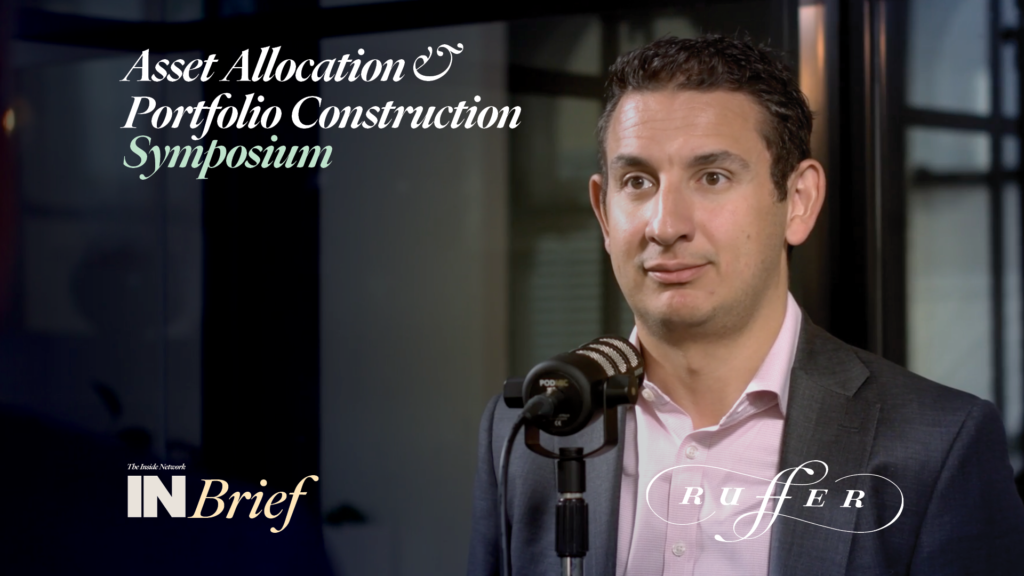
As Kev Toohey, principal at Atchison, observes, “markets have moved away from the conditions that have underpinned portfolios for the majority of the past decade.” Interest-rate volatility is higher; economic growth is uneven; return dispersion across regions and sectors is wider. In this setting, Toohey says, “broad, passive exposure is doing less of the work.”
Diversification matters more than ever
These shifts have sharpened the diversification challenge, particularly for Australian investors. The domestic equity market remains highly concentrated. Banks and resources still dominate. When those sectors stumble, portfolios feel it quickly.
For Toohey, that concentration strengthens the case for looking offshore. “For Australian investors, this sharpens the case for reducing reliance on a highly concentrated domestic market and maintaining a bias toward international equities,” he says. International markets offer broader earnings drivers and more effective diversification, particularly in a world where regional outcomes are diverging rather than converging.
From market calls to allocation quality
Importantly, this is not an argument for radical portfolio change. Toohey is explicit on this point. “The appropriate response is not wholesale change, but rather more disciplined portfolio construction,” he says.
That discipline starts with selectivity. Investors need to be deliberate about where they take risk. Toohey urges caution around real assets while interest-rate uncertainty persists, and encourages investors to think more broadly about diversification tools. Alternatives, he argues, should be used to diversify sources of return rather than relying purely on cash.
The underlying message is clear.
“In the current environment, outcomes will be largely determined less by market direction and more by the quality of allocation decisions.”
Kev Toohey, principal, Atchison
Asset allocation, not market timing, is doing the heavy lifting.
These issues of portfolio construction, tactical positioning and the evolving role of asset classes sit at the heart of The Inside Network’s annual Investment Leaders Forum, to be held in Noosa this March. As markets become more fragmented and less forgiving, the craft of asset allocation is once again moving to centre stage.

James is an experienced senior journalist and editor of The Inside Network's publications.