Monday 9th August 2021
Are you pricing water risk?
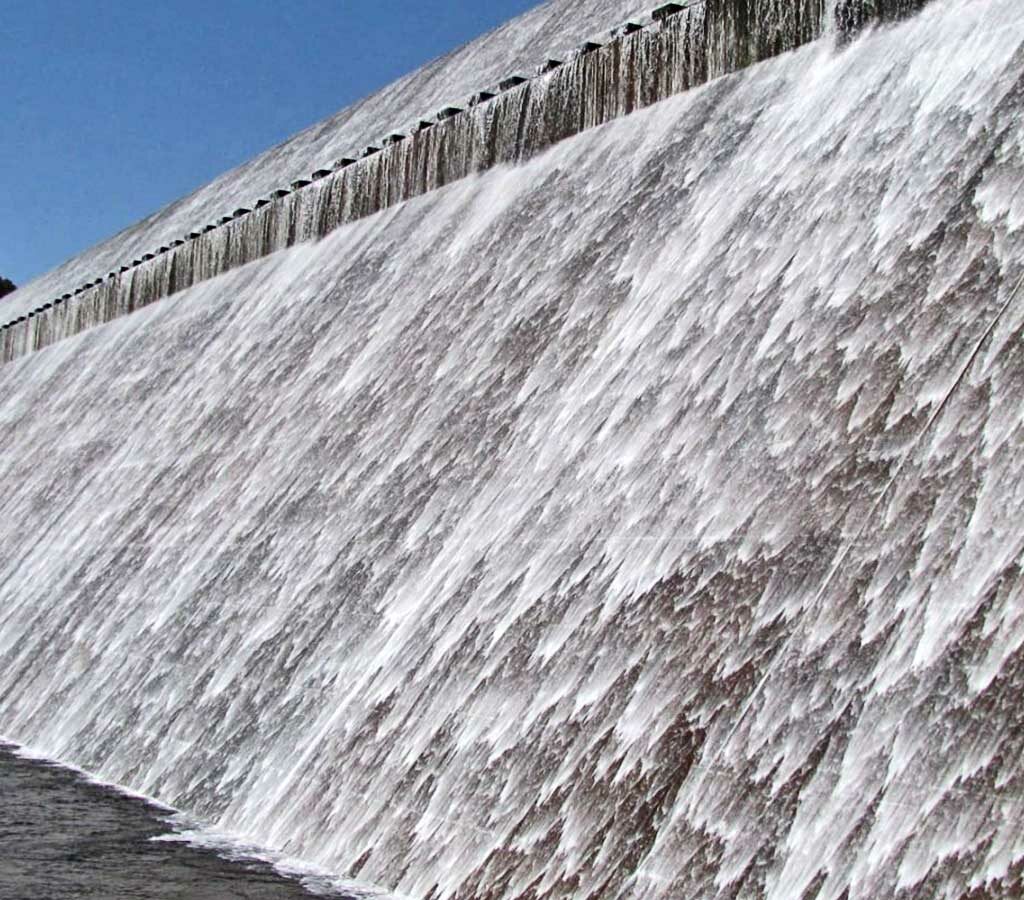
Devastating floods, unseasonal hurricanes, excessive droughts, megafires, and more demonstrate how extreme water risk is global now. From an investor’s perspective, the economic implications of risks related to water are significant and should be a consideration when investing.
By 2030, the global population will likely exceed nine billion and the world will require 40% more fresh water than it does today.1 The global supply of accessible freshwater accounts for less than 1% of water supplies.
In my view, risks associated with water affect economic policies, constrain economic growth, and should be incorporated along with other climate-related market risks. Critical investments in water purification, reuse, efficiency, and delivery infrastructure are required on a global scale and could provide opportunity to investors.
The projected declines in freshwater availability will likely affect gross domestic product (GDP) growth, present wide-ranging risks for investors across all asset classes, and encompass a broad range of sectors, from those with logical connections, like agriculture and utilities, to those that may not be so apparent, like packaging and semiconductors.|
Communities and companies must consider how to plan for and mitigate water risk. Companies that lack a full understanding of water risk, lag in disclosing water risk, or postpone adjustments to regulatory reforms, present long-term risks for both the communities and investors that invest in those companies.
Infrastructure investment opportunities may be found globally as governments and municipalities prioritize managing water risk. China’s Maritime Silk Road and Russia’s Ice Silk Road expand their water infrastructure. The US bipartisan infrastructure proposals include investment in sewage systems, water supplies, and replacing lead pipes.
There are also opportunities in identifying companies that can provide solutions to deal with water scarcity, water sanitation, and water efficiency.
Water impacts the day-to-day operations of companies and how they think through their business models.
Stephen Dover, Chief Market Strategist, Head of Franklin Templeton Investment Institute, Franklin Templeton
ENDNOTES
- Source: The 2030 Water Resources Group, Annual Report: Building Trust, Growing Resilience, 2019.