Monday 8th July 2024
'An asset you'd want to own': Fixed income stability to offset rate uncertainty

Whether you perceive the RBA's messaging to be balanced or mixed, the uncertainty serves as a reminder that fixed income is a vital sleeve in any investment portfolio.
While the RBA continues to walk a fine line between inflation and recession, and gives carefully mixed signals about it’s near-term interest rate intentions, the uncertainty it poses should only fortify investors’ conviction that fixed income is a crucial component of portfolios according to managers at Yarra Capital Management.
At the Reserve Bank’s fourth meeting on June 18th governor Michele Bullock continued its message of trying to avoid tipping the country into recession by re-raising interest rates, yet balancing that desire against the fact that inflation remains high, albeit at a stalled level, after months of elevated interest rates.
On a recent ‘Rate Debate‘ podcast, Yarra’s co-head of fixed income, Darren Langer and investment manager Jessica Ren, discussed the dilemma the RBA is facing and tried to decode Bullock’s messaging.
“They’re still trying to avoid a recession and that’s partly why they haven’t tightened interest rates,” Langer said. “History tells you the only way they avoid a recession is to cut interest rates, but they’re still not talking about an interest rate cut, they’re still debating whether they need to put interest rates up.”
This messaging could be viewed as balanced, but it could also be seen as mixed. The ambiguity, Langer explained, brings into question “just how committed they really are to avoiding recession versus just being that narrow focus on inflation”.
While the RBA is making the right noises about avoiding a recession, Ren agreed, the focus does seem to be more so on protecting against inflation than softening the economic damage.
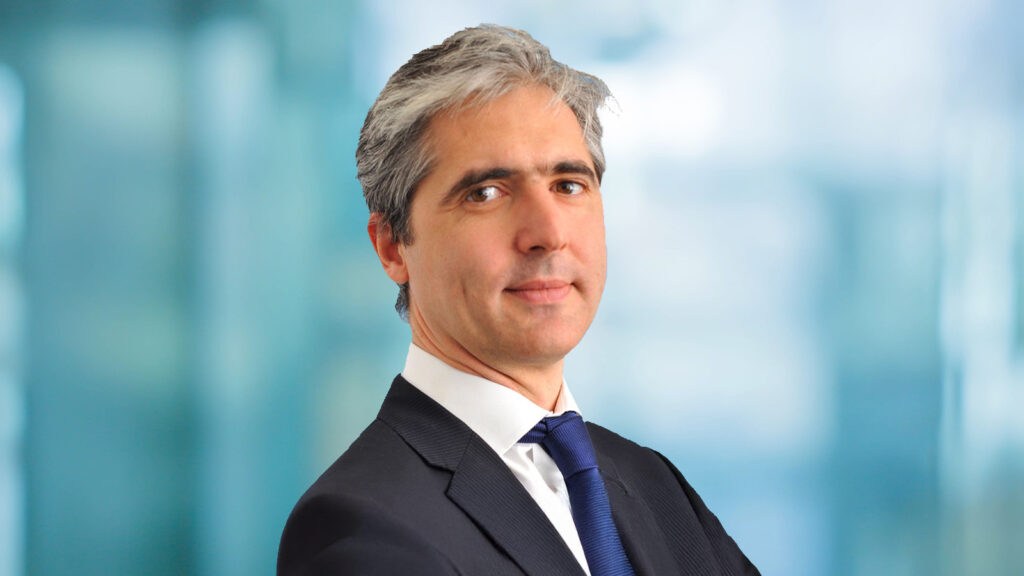
“It seems like Michele Bullock has placed a lot of focus on the inflation side and the employment side, and about avoiding a recession that way,” Ren (pictured) said. “It almost seems like she’s avoiding the little bit of a conversation about the growth of the economy at all… and we know a recession by definition is subdued and negative growth.”
This creates concern, Langer said, that the RBA lacks conviction and might be “unwilling to trust” its own forecasts. “That certainly seems to be what I read out of the statement,” he added, noting that some central banks have already started cutting rates, and by hiking further Australia might be in danger of resorting to reactive policy or “running monetary policy in the rear view mirror”.
Having the RBA elicit such strong concern about tipping the economy into recession while also considering adding further rate hikes after 12 consecutive raises to mid-2023 is “unusual”, he added, but somewhat understandable when you consider the uncertainty wrought by the forthcoming US election. “It must be terribly worrying to be a central banker at the moment,” he said.
Amidst all this uncertainty, the Yarra team believes the RBA shouldn’t need to raise rates any more in this cycle. For investors, though, the uncertainty is a reminder that fixed income remains a vital sleeve in any well-diversified investment portfolio. Yields remain attractive, Langer said, and the defensive properties of investments like the Yarra Enhanced Income Fund are tailored to protect the underside of portfolios while providing stable and reliable income. The fund has returned 4.79 per cent in the last ten years and 5.39 per cent since inception.
“As long as hikes don’t come (which we still expect to be the case), all fixed income is going to look pretty good in twelve months,” he added. “In the meantime, just enjoy the yield.”