Monday 25th November 2024
AI in advice a matter of how, not if: Complii

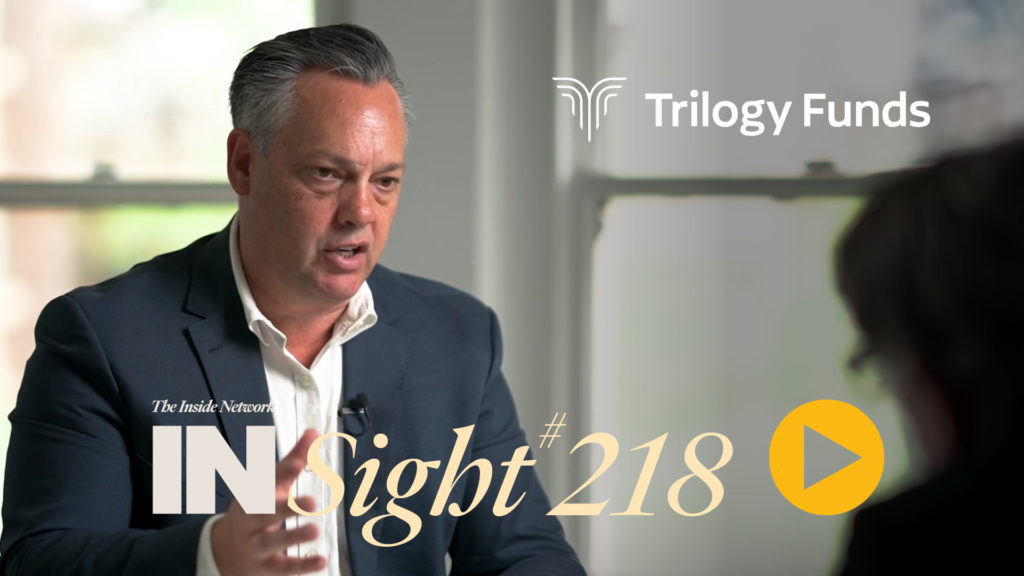
Advice groups may still be grappling with the best use cases for artificial intelligence tools, but the ones that aren't at least trying are at risk of being seen as behind the curve according to Complii's Craig Mason.
While artificial intelligence has rapidly become a juggernaught, upending stock markets and work practices in the space of a few years, its uptake in financial advice has been patchy. But with AI’s increasing uptake, especially among younger cohorts, both clients and potential new staff are beginning to see AI usage as a fait accompli.
Instead of asking if advice firms are using AI, says Craig Mason, chairman at regtech provider Complii, people are already moving onto asking them how they’re using it, with the assumption being that it’s already an embedded part of any contemporary business involved in service provision.
“It’s already been embraced, and clients are expecting it,” Mason tells The Inside Adviser. “If their adviser isn’t explaining to them how artificial intelligence is being incorporated into what they’re doing and how compliance is being dealt with, they’re going to be asking.
“Clients can understand intricately how and why things have been generated,” Mason continued. “If the adviser at the other end of a client discussion can’t explain how a document got built up and why artificial intelligence is being used that way, that’s going to be a challenge.”
“Some parts of the industry aren’t moving quick enough on it, but the reality for businesses now is that it’s just a question of what type of AI you’re using, not whether you’re using it or not.”
Since the advent of ChatGPT, which spearheaded the dissemination of AI tools at home and in the workplace, financial services sectors have scrambled to find the best use case for the associated technologies while navigating the clear and present security concerns.
In tandem, advice groups are also caught between competing objectives; while they need to operate in a compliant way to keep licensees, insurers and ultimately regulators happy, they’re also being encouraged to operate more efficiently and be open to adopting new technologies.
The fear of breaching compliance standards has held many advice firms back, Mason says, but the ones that don’t find a way past that fear or can’t find ways to move forward while managing that fear, will fall behind. And it won’t be just clients that notice.
“I think for the younger advisers, as well, this is becoming important,” he said.