Thursday 28th July 2022
Advisers urged to tread carefully with 'wholesale investor' status

Specialist self-managed super fund advisers need to tread cautiously before giving a client "wholesale investor" status.
Special Correspondent
Tracey Scotchbrook
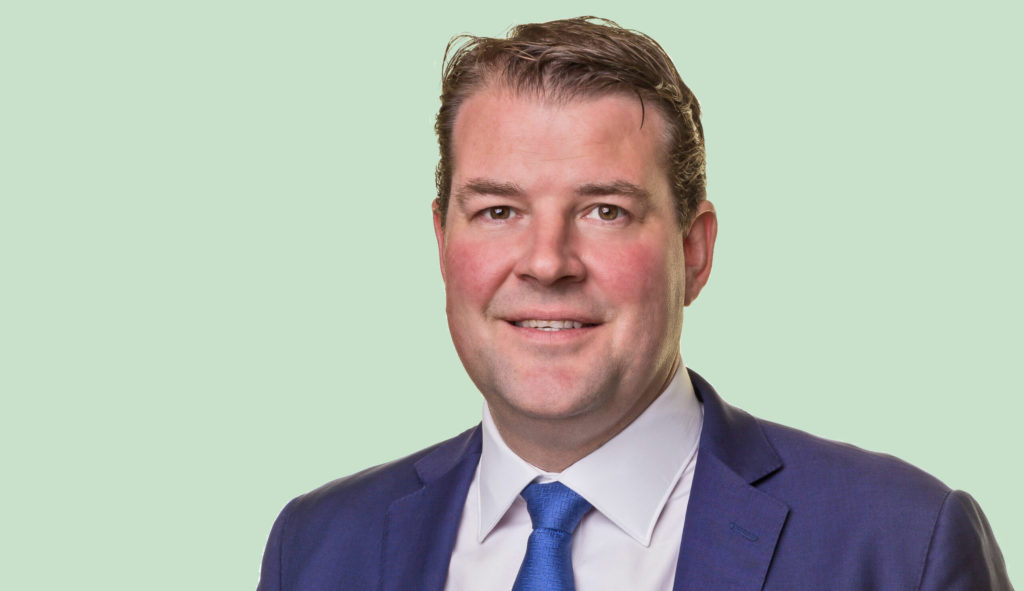
Gold Coast, 28 July 2022: Specialist self-managed super fund (SMSF) advisers need to tread cautiously before giving a client “wholesale investor” status, SMSF Association policy manager Tracey Scotchbrook told the Association’s Technical Summit on the Gold Coast yesterday.
“Although classifying a client as a wholesale investor – typically defined as having either net assets of $2.5 million or gross income of $250,000 a year for two successive years – can alleviate regulatory burdens for advisers, a duty of care and fiduciary duty to the client remains. So, there are some critical questions that advisers need to consider before going down this path.
“Is it appropriate that the fund is invested as a wholesale client in higher-risk investments, outside of the retail client framework?
“In answering this question, an adviser must remember that obtaining an accountant’s certificate does not alleviate their legal, professional, and ethical obligations. Although a client may satisfy the relevant income or asset test, this doesn’t measure the client’s sophistication, knowledge, experience, or appetite for risk.
“Advisers also need to ask themselves is ‘wholesale status’ appropriate and in the client’s best interests, including all members of the SMSF. They also need to ensure they comply with the Financial Planners and Advisers Code of Ethics 2019.”
Scotchbrook told the Summit that accountants were also “at risk” for assigning clients wholesale status.
“Although the Corporations Act has a few ways of determining whether a client can have wholesale status, options requiring an accountant’s certificate are popular. This is likely due to the perceived shifting of risk away from the adviser or AFSL.
“But accountants doing so need to exercise caution as they may be held liable if a client is later found not to have met the (wholesale) requirements or clients seek to argue that they should not have been classified as a wholesale investor and therefore were put at greater risk. It’s critical, therefore, for accountants to exercise their duty of care and apply professional judgement.”
She said advisers or accountants looking to ASIC for guidance on this issue would be sorely disappointed.
“It’s important to note that up to 2014, ASIC held the view that the $10 million net asset test would apply regarding wholesale status in a SMSF context. Unless that threshold test was met, an SMSF trustee would be classed as a retail client.
“ASIC has since advised it will not act where an SMSF trustee has been provided services as a wholesale client where the fund has net assets of at least $2.5 million. But even this threshold is not legally binding – merely a statement that no compliance action will be taken.
“The simple fact is ASIC has not issued any formal guidance on the application of these tests or addressing issues arising in an SMSF context.
“When coupled with legislative uncertainty, it leaves the door open for an aggrieved client to challenge their classification as a wholesale client. Indeed, ASIC warns of this risk, saying advisers need to consider their own commercial position and legal risks,” Scotchbrook concluded.