Monday 9th March 2026
Partnerships at the centre of asset allocation in 2026

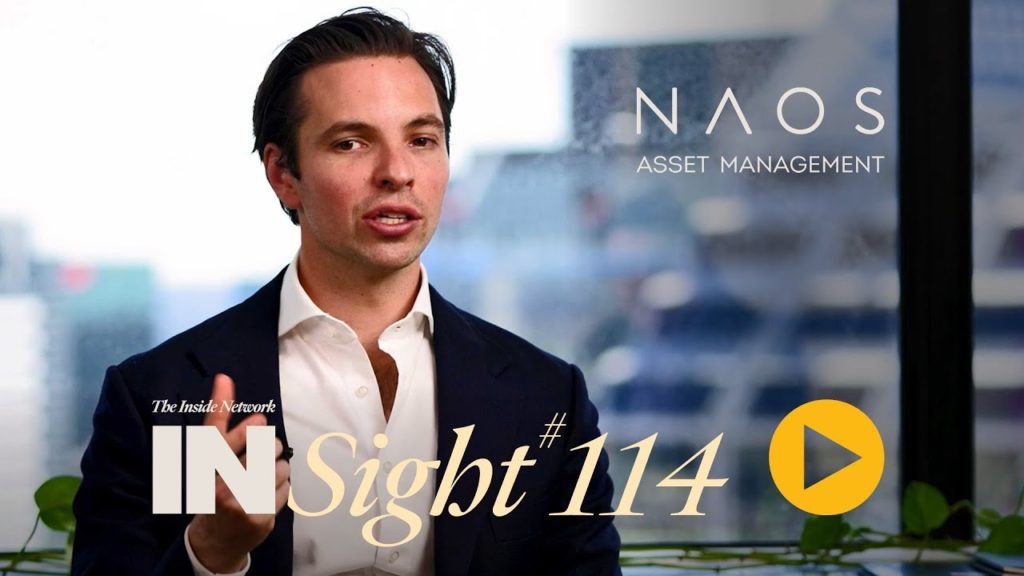
When it comes to asset allocation, LGT Wealth Management Australia's Matthew Tan believes disciplined manager selection and enduring partnerships matter more than asset class labels.
Alternatives are often described as opaque. For Matthew Tan, the real issue is not opacity itself, but manager selection. The head of asset allocation at LGT Wealth Management Australia argues that strong partnerships are the key to navigating complexity in private markets.
Transparency remains harder to achieve than in listed markets. Yet Tan believes advisers can manage that challenge by focusing on experienced managers and long-term relationships. “Ultimately, alternatives are less transparent than public markets,” he says. “The most important thing is finding high-quality partners that have gone through cycles.”
For LGT Wealth Management, that means allocating capital only after extensive due diligence. The firm spends years assessing managers before committing client capital. The goal is to build enduring partnerships that can withstand volatile market environments.
Choosing the right partners
Manager selection sits at the centre of LGT Wealth Management’s approach. Tan says the firm prioritises managers with long track records across economic cycles. Experience navigating downturns, liquidity shocks and portfolio losses is essential.
The firm also demands visibility into underlying investments. LGT Wealth Management prefers managers willing to disclose the individual holdings inside portfolios. This helps the team better understand the sources of risk and return.
Relationships tend to last for years once capital is deployed. LGT Wealth Management often enters a strategy with meaningful allocations and maintains exposure for the long term. That approach reflects the nature of private markets.
“You can’t exit alternatives the way you can public markets,” Tan says. “Once you commit your money, you may be invested for many years. The best way to manage transparency risk is to make sure you’re with the right partner in the first place.”
Breaking down the ‘black box’
Explaining alternatives to clients remains a challenge. Many investors see them as complex or opaque. Tan says LGT Wealth Management addresses this by analysing the underlying risk factors.
The firm uses a proprietary multi-asset risk-factor framework. Tan describes it as a large investment “X-ray machine.” It allows the team to decompose any asset class into its fundamental risk exposures.
Private equity, for example, largely reflects leveraged equity risk. It also carries small-company exposure and significant manager-specific risk. Infrastructure investments show different characteristics.
Infrastructure tends to track economic growth and inflation. It also contains some interest-rate sensitivity. Breaking investments down this way helps clients understand how alternatives behave within portfolios.
The framework also supports strategic asset allocation decisions. By identifying the underlying drivers, LGT Wealth Management can assess whether a strategy complements existing exposures.
Position sizing and portfolio impact
Position sizing is another important consideration. Tan believes alternatives must be large enough to influence overall portfolio outcomes. Small allocations can dilute the impact.
LGT Wealth Management typically allocates around one to two per cent to each individual manager. This ensures that each position contributes meaningfully to the broader portfolio. “If the allocation is too small, it becomes irrelevant,” Tan explains.
Benchmarking alternatives also requires a tailored approach. Private debt strategies may be measured against floating rate benchmarks or cash plus margins. Private equity often references public equity markets such as the S&P 500.
Real assets require a different lens again. Infrastructure investments are often evaluated against inflation metrics like CPI. These benchmarks help investors assess whether the strategy is delivering the intended exposure.
Tan also sees opportunities in less-explored parts of the alternatives universe. Globally diversified asset-backed securities are one example. These investments include exposures such as consumer loans, aircraft leasing and royalty streams.
For advisers navigating alternatives, Tan believes the message is clear: complexity can be managed with the right framework and the right partners. When both are in place, alternatives can become a powerful complement to traditional portfolios.

Laurence Parker-Brown is head of content at The Inside Network and managing editor of The Inside Adviser and Investor Strategy News.