Thursday 29th January 2026
Secondaries come of age as Coller joins EQT
The rise of secondaries has been years in the making, but the decision by EQT to build around Coller Capital marks the moment the asset class truly comes of age.
One of the clearest signs that private markets are maturing is when yesterday’s niche becomes today’s strategic priority. That is precisely what’s happening in secondaries, with Coller Capital agreeing to join EQT’s global platform in a deal that says as much about where private markets are heading as it does about the two firms themselves.
The Stockholm-based EQT, founded in 1994 and now overseeing around €270 billion ($456 billion) in assets, has been methodically building a broad-based private markets house, spanning private equity, infrastructure and real assets, and secondaries were the obvious missing piece. London-based Coller, for its part, has spent 35 years doing little else, quietly building one of the world’s most specialised and scaled secondaries franchises.
The logic of the combination is straightforward. Secondaries (which involve the acquisition of investments in existing private-market funds or portfolios) have moved from being a liquidity backwater to a core portfolio-management tool, helping investors manage cashflows, rebalance exposures and extend ownership of high-quality assets. For EQT’s institutional, private wealth and insurance clients, direct access to that capability is increasingly essential.
For Coller, the deal provides something different: global scale, distribution reach and the ability to accelerate growth in a market that is expanding rapidly and becoming more complex. The ambition is not subtle. EQT believes Coller’s business can double in size within four years.
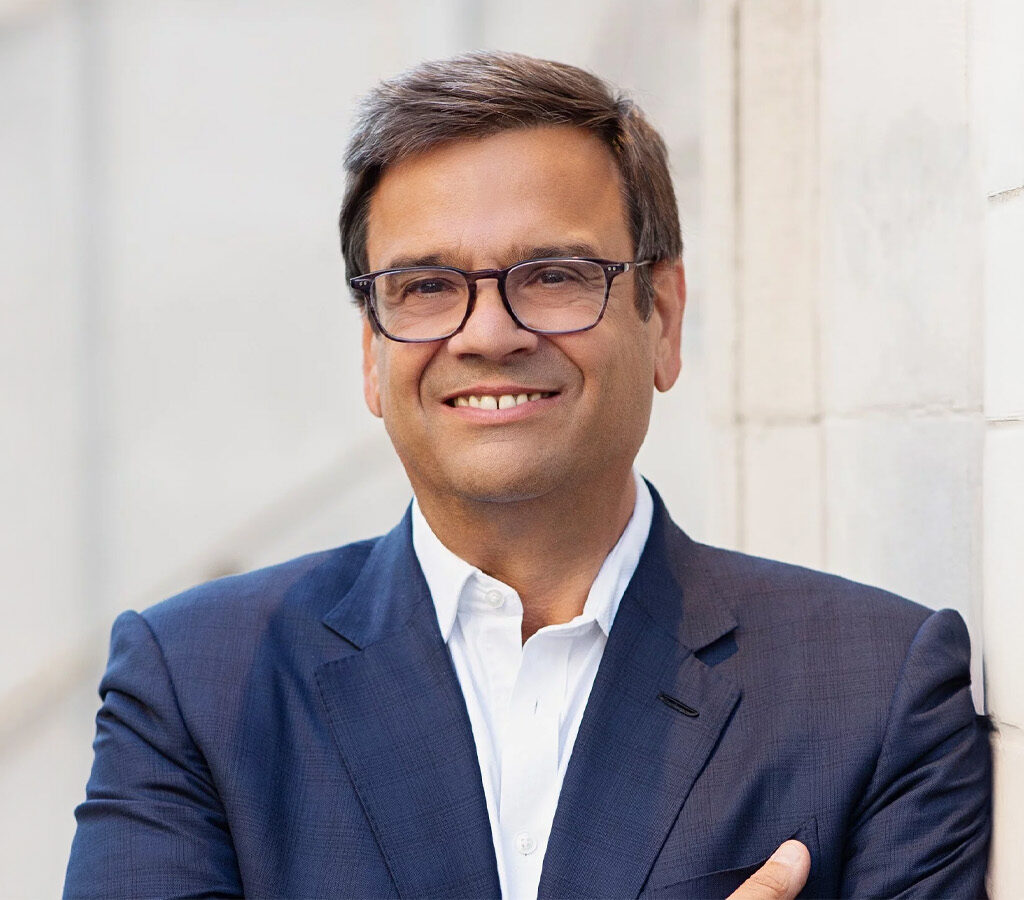
Importantly, Coller will retain what made it valuable in the first place. Jeremy Coller and his leadership team will continue to run the business, with origination and investment decisions remaining independent. The firm will operate as a dedicated platform within EQT, branded Coller EQT, and will form the backbone of a newly established secondaries business segment.
That balance, scale without smothering specialisation, is the crux of the transaction. EQT brings a global, multi-strategy platform and an active ownership mindset; Coller brings deep secondaries expertise, data-driven underwriting and a long record of innovation across institutional funds, private wealth vehicles and insurance solutions.
The strategic intent is broader than traditional private equity secondaries. One of the growth areas flagged is the expansion of secondaries into real assets, a natural extension as infrastructure and real estate portfolios age and liquidity management becomes more sophisticated.
Culturally, both firms emphasise performance discipline, innovation and long-term client partnerships. These are phrases that are easy to say, but harder to align at scale. Whether that alignment holds will matter more than the branding.
Subject to regulatory approvals, the transaction is expected to close in the third quarter of 2026. When it does, it will mark another step in the institutionalisation of private markets. It is also a clear signal that secondaries are no longer the supporting act, but part of the main performance.
For advisers seeking to discuss with their peers the evolution of secondaries, private equity and the deployment of alternatives within portfolios, they might consider attending Alternatives Symposium in February 2026.

Nicholas Way is a contributing editor at The Inside Adviser and has covered business, retirement, politics, human resources and personal investment over a 50-year career.