Thursday 22nd January 2026
Inside the secondaries boom
With secondaries volumes topping US$200 billion, what was once a niche corner of private markets is rapidly becoming a mainstream tool for investors seeking liquidity, control and smarter access to global private capital.
The global secondaries market broke new ground in 2025, with transaction volumes exceeding US$200 billion ($294 billion) for the first time. That headline figure, featured in Coller Capital’s Market Outlook 2026: Secondaries – Capitalising on the Wave, signals more than a record year, it reflects a fundamental shift in how private capital is being accessed, managed and optimised.
Secondaries involve the acquisition of investments in private-market funds or portfolios. The growth in secondaries is being driven by investors seeking greater control over their liquidity and portfolio construction.
According to the outlook, one in every two limited partner (LP)-led transactions in 2025 involved a repeat, which is a clear sign that institutions are embedding secondaries into their ongoing asset allocation strategy. (Limited partners are the investors in a fund.) In total, LP-led deals accounted for $US110 billion–US$120 billion last year, more than half of the overall market volume.
The motivations behind this are clear. Distribution slowdowns, ageing private capital portfolios and fewer traditional exit routes are prompting investors to rebalance proactively, rather than passively wait for capital to return.
General partner (GP)-led continuation vehicles, once seen as niche or opportunistic, have now become a mainstream tool for sponsors and LPs alike. (General partners are the fund managers.)
The outlook underscores their normalisation, noting widespread institutional acceptance of these structures as strategic, rather than event driven.
For investors in Australia, particularly those accessing private markets via financial advisers, these trends carry some important implications. The appetite here in Australia for high-quality, global private equity exposure is growing, and secondaries are increasingly seen as a way to achieve that access while maintaining liquidity and diversification.
Coller Capital’s market outlook identifies several emerging dynamics that are expected to define the secondaries market in 2026. Among them is the growing role of private credit secondaries, an area where Coller continues to build scale and leadership, as well as the growing relevance of evergreen fund structures that better align with private wealth preferences.
Another notable theme is the role of technology. AI and data-driven tools are beginning to enhance sourcing and due diligence across the secondaries space, especially for larger, more complex GP-and-LP-led transactions. This technological lift is expected to further support efficiency, pricing transparency and overall deal flow.
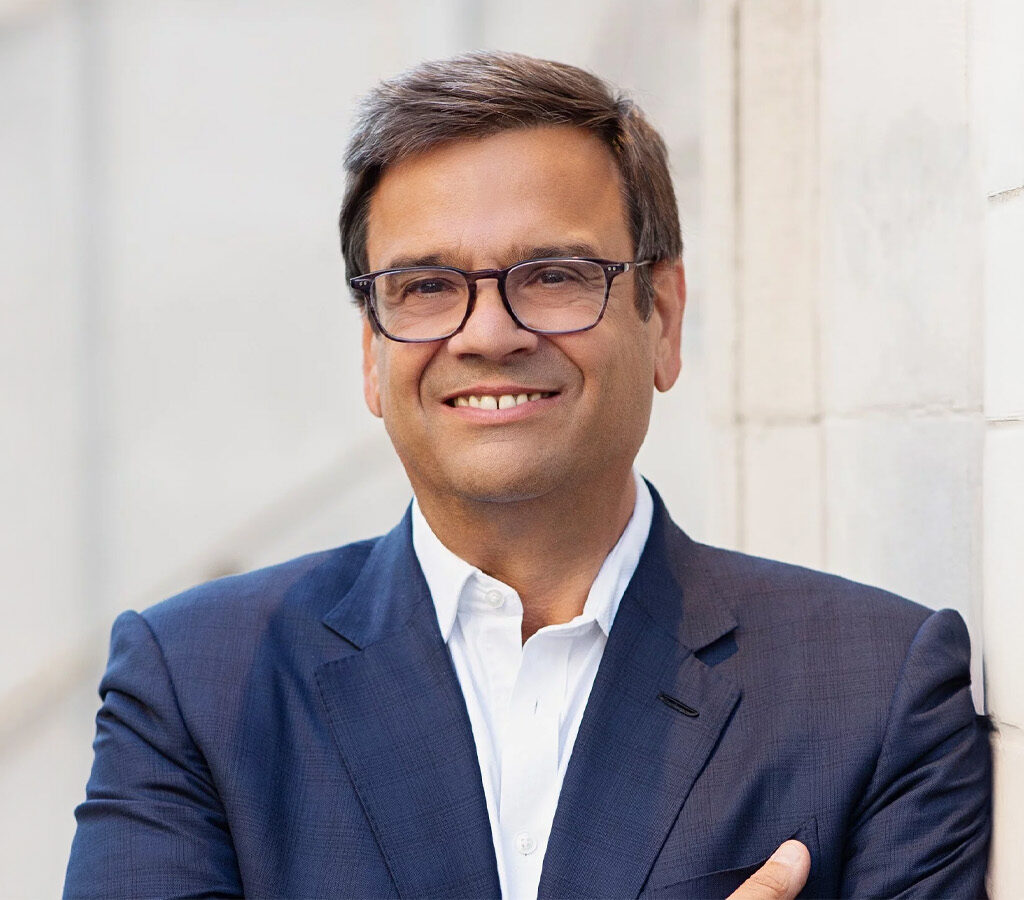
Jeremy Coller, chief investment officer and managing partner, reflected on how far the market has come. “When I founded Coller in 1990, secondaries transaction volumes were a few million dollars. With 2025 surpassing $200 billion, the market has moved from the margins to the mainstream.”
As demand grows and the range of use-cases for secondaries expands, the implications for advisers are significant. Secondaries offer exposure to diversified pools of underlying assets, often acquired at discounts, with shorter durations and more immediate visibility on performance.
For investors looking to allocate to private markets without the blind-pool risk of a primary investment or decade-long lock-up, they present a compelling solution.
In Australia, advisers have already begun to embrace these features. With more solutions now available in locally accessible structures, including Coller’s evergreen vehicles, the barriers to entry are lower, and the alignment with clients’ needs is stronger.
Looking ahead, the secondaries market is positioned to play a central role in how investors navigate private capital. As Coller’s outlook concludes, the next phase will be defined not only by volume but by the innovation, access and resilience.
For advisers seeking to build portfolios that reflect these principles, secondaries are set to be an essential part of the conversation in 2026.

Nicholas Way is a contributing editor at The Inside Adviser and has covered business, retirement, politics, human resources and personal investment over a 50-year career.