Monday 8th April 2024
The three steps that matter for contrarian investors in the 'zero-sum game'

Contrarian investors are adept at spotting misalignment that leads to arbitrage between real value and perceived value. But it isn't easy. "True bargains are hard to come by," says Orbis Investments' Eric Marais.
The fundamental premise of contrarian investing is that the investor is looking for someone to sell a stock for less than its intrinsic value. The problem is, it shouldn’t really happen.
For contrarian purveyors Orbis, the fact that this doesn’t happen very often is why the research that goes into investing opportunities to find value in the market is so robust.
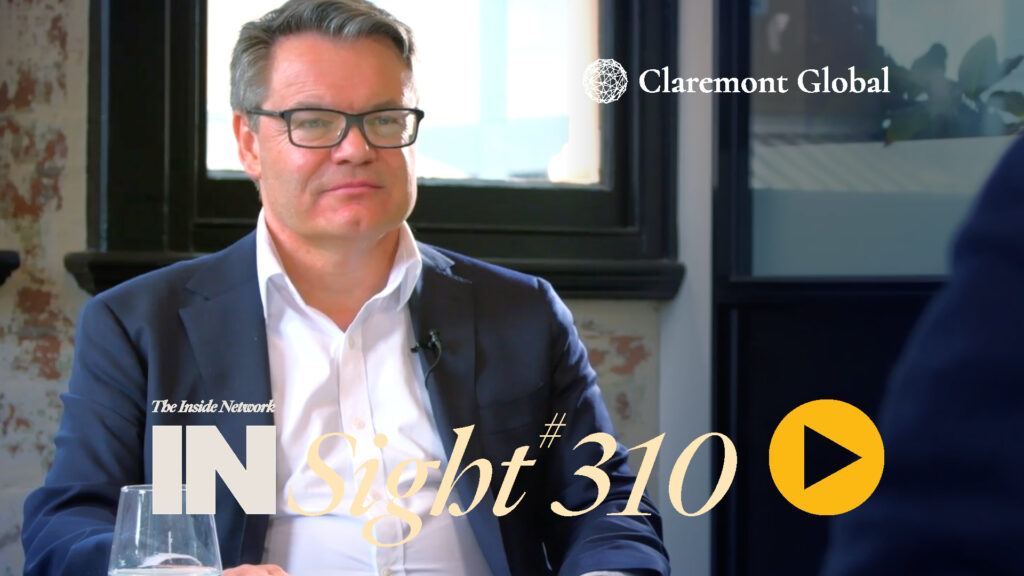
“We look for things that have fallen out of favour for one reason or another,” Orbis investment specialist Eric Marais tells The Inside Adviser.
“The reason for that is pretty simple; at the end of the day, public equity investing is a zero-sum game and if we want something that’s worth more than what we pay for it, somebody else has to sell it to us for less than what it’s worth,” he explains. “But true bargains are hard to come by.”
There are occasions when it does happen, however. “The most common reason why that might happen is because people have been pushed and there’s been a run of bad news, which leads to people getting a bit overly pessimistic,” he says. “Those are the sorts of situations we look for.”
But finding a misalignment that leads to arbitrage between real value and perceived value takes equal measures of knowledge and nous, plus a good dose of thorough research. According to Marais, that research element generally involves three distinct phases that take place over approximately three months.
“Idea generation tends to be quite flexible, but after that we have quite a rigid investment process, he explains. “In phase one we’re doing quite high level work, maybe just a day, just to solidify whether we have something worth exploring. Phase two might be a week or two, and involves doing more desktop research on the idea and fleshing it out more. And then phase three can be really long, depending on the idea; it can be anything from an extra few weeks up to an additional two or three months.”
In that crucial third phase, he says, Orbis is doing the work of stress testing the investment idea.
“And that often involves doing some primary research like running surveys, scraping websites, all the things that can take time,” Marais continues. “We have what we call our Investment Insights Team that assists our investment analysts with doing that sort of work.”
Ultimately, however, the investment idea will hinge on what contrarian investors look for above all else: pricing value.
“We’re very price sensitive,” he says. “Our analysts always have a view on what they think the intrinsic value for a company is, and we’re looking for a deep discount that intrinsic value.”