Sunday 10th March 2024
How to spread your allocation wings beyond traditional and into alternatives

Diving into alternative investments can be a daunting prospect, but a rewarding one for advisers looking to supplement their growth sleeve and add fresh diversifiers. A panel discussed some tips for those starting out on their alts journey.
For small advice teams that need to augment the growth sleeve of their client portfolios while adding a layer of diversification, alternative investments like infrastructure, private equity, hedge funds, natural resources and real assets may already be a core consideration.
But for many, they’re a new horizon. For those, bringing alternative investments into the arena can be a daunting task.
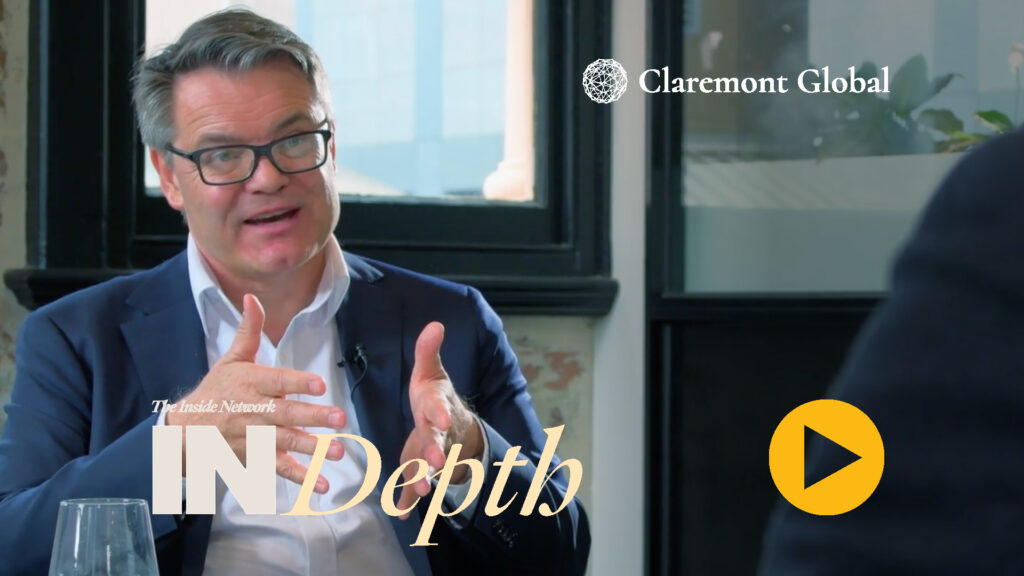
At Cape Schenck on the Mornington Peninsula in Victoria last week, a panel of advisers moderated by Praemium chief operating officer James Edmonds (pictured, left) explored just what it’s like to tackle the alternatives sector, and provided some tips on making the move.
The first question that needs answering, Edmonds said, is what problem is the alternative investment trying to solve? Whether it’s diversification and underside protection, or delivering future alpha, it’s important that the fund manager has a story that the client can understand and that relates to the issue at hand.
According to Partners Wealth Group chief investment officer Graeme Bibby, working with fund managers on their communications is key. “We also give advisers goods really clear bullet points,” he said. “We simplify it and try and bring it back to the core elements, whether that be credit, equity, whatever form it takes… and what’s actually behind it.”
James Weir, director of Steward Wealth in Melbourne, said getting the research part right is crucial from the get go. But it’s not easy. “It’s hard to start from scratch,” he said, adding that consultants are often the best starting point for small advice groups or solo advisers.
“Look for people who are active in individual areas, and then look at how you bring it together; often if you just choose one strategy that can be very hit and miss, it’s often about how you blend them together and that portfolio construction aspect is going to be important. Doing it all yourself is pretty hard, you need to leverage off experience.”
Aligned with the directives of clear communication and diligent research is the acknowledgement that alternatives – especially the more liquid ones – are growth assets and often sit higher on the volatility spectrum.
“If you’re going to include liquid alternatives you need to really get to know what you’re getting involved with and what you expect them to do,” Weir said, adding that alternatives won’t just perform by default. “When markets go down, liquid alts will often go down with them… so get your head around what you want the alts allocation to be and to do, and be realistic in terms of your resources and being able to monitor what’s going on.”
The advice from Peter Johansson, a consultant at JCE advisory, was to not dive in at the deep end of the risk spectrum. “With alternatives, people fall into the trap of going to the riskiest part of the market in their first deal, such as venture capital, especially Australian venture capital. To me, it should be… you’re actually looking for the low hanging fruit.”