Wednesday 6th March 2024
How private equity is finding the ‘middle ground’: MLC

Lack of liquidity and transparency have long been sticking points in retail uptake of private equity, but the industry is changing its ways even as an education challenge remains.
While some big investors view the opacity of private equity as a feature, not a bug, it’s a tougher sell for financial advisers with clients who want to know exactly how – and in what – their retirement savings are invested.
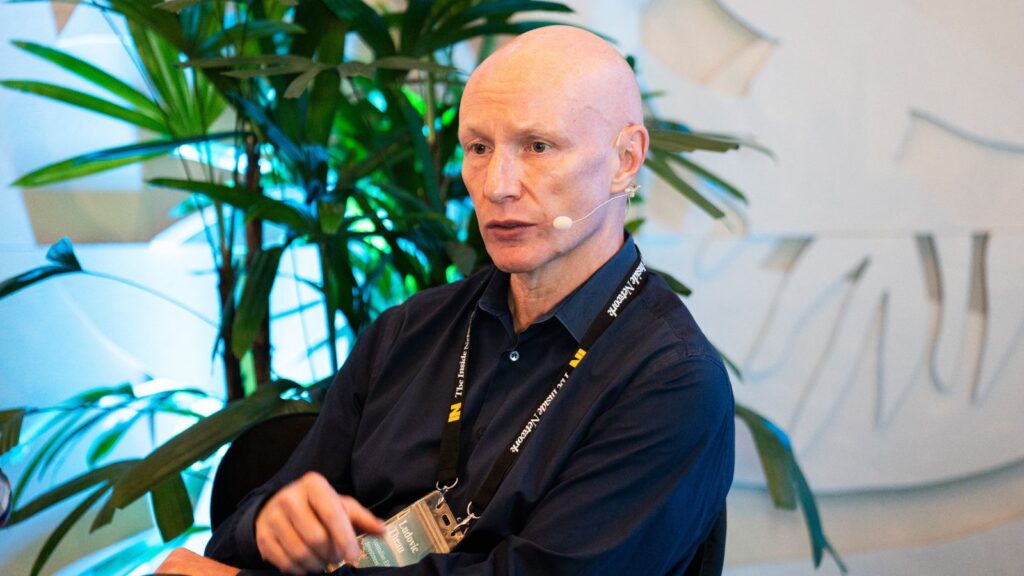
But the market has “evolved materially” over the last 20 years, according to MLC Private Equity portfolio manager David Chan, and transparency is nearly the norm.
“I’ve been at MLC over 15 years now and I remember when we used to invest in our top tier Silicon Valley VCs we’d ask them if we could see what’s in the portfolio,” Chan told the Inside Network’s Alternatives Symposium. “And they’d just say no. We’d given them $100 million dollars and didn’t know how it was invested or in what company, other than reading the occasional press release.”
That’s changed quite a bit; over the last decade the fundraising process has shifted to include access to a data room with the top five or 10 holdings disclosed, but most funds today will provide full look through. Liquidity is another pathway to transparency; where before most funds were close ended vehicles, the market is now finding a “middle ground” where some liquidity is offered to allow portfolio rebalancing and exits.
“I think that liquidity will improve over time but it will never be as liquid as public markets; you’ll always have some illiquidity,” Chan said. “And I think that’s important to protecting the returns of the asset class. If people move their money in and out too frequently they tend to time the market at all the wrong times.
“Everyone invests when the markets are buoyant, because that’s when they have capital, and everyone wants to pull it out during the downturns, where it’s actually the best time to invest.”
Then there’s the wider education piece to reckon with, which Chan sees as the “biggest challenge in the market”. Australia lags a number of developed international markets in which retail and wholesale investment in private equity are more common and widely used.
“If you see some of the more sophisticated offshore markets, people put private equity in the equities bucket for many family offices and allocate as much as 30-50 per cent it,” Chan said. “In the Australian market I think the level of education is a lot less sophisticated.
“In this market we typically recommend that people allocate up to 10 per cent in PE even though we know through our global portfolio – 90 per cent of our portfolio is offshore – that most of our investors allocate heavily into alternative and private assets.”