Monday 13th November 2023
OpenInvest hunts 'buyer with a bigger balance sheet' in search for scale

Despite a unique value proposition and some notable backers, wealth admin platform OpenInvest finds itself once again looking for capital. "We've had mixed results," says founder Andrew Varlamos.
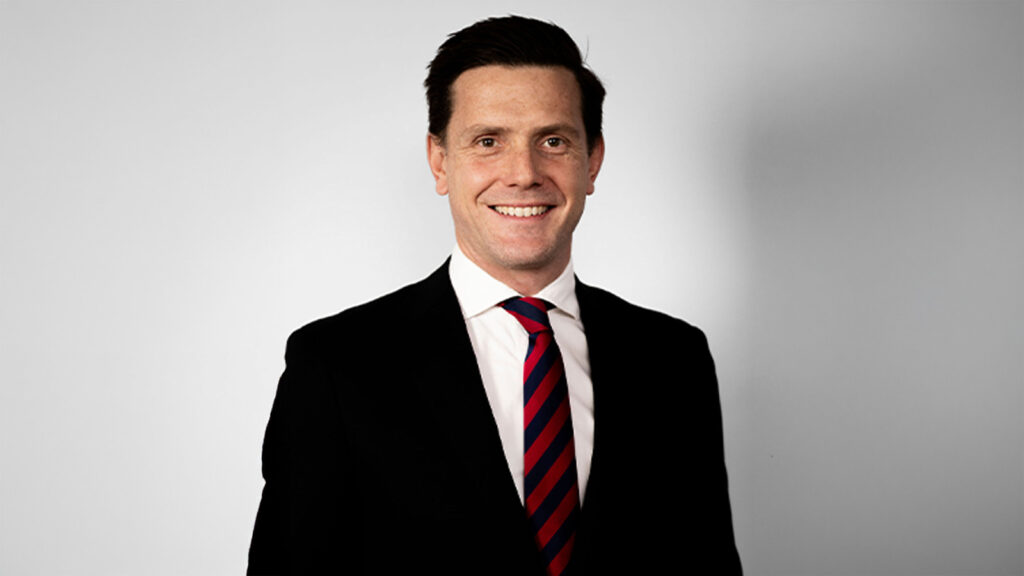
Managed portfolio wealth administration platform OpenInvest hasn’t attracted the client base it wants, founder and chief executive Andrew Varlamos admits, but with the right buyer it can add enough scale to be profitable and sustainable.
Varlamos, who previously co-founded platform Powerwrap, has spent the past few weeks ramping up efforts at shopping the business after it ran into financial difficulty.
The platform’s founders have raised – and spent – $20 million since it was brought to market in 2017, with boutique fund manager Pinnacle tipping in $3 million in 2021.
Current clients include high-profile advice group Hamilton Wealth and private wealth manager Collins House, as well as Blackmore Capital and SG Hiscock. The platform has some notable investment managers on board in BlackRock, JP Morgan and Schroders.
Despite having quite a unique value proposition in Australia – OpenInvest lets advisers and brokers essentially ‘white label’ its managed fund platform to their clients – the business has struggled to sign enough clients. “We’ve had mixed results,” he says.
A devastating Hayne royal commission and the subsequent 40 per cent decline in adviser numbers since 2018 has made expansion problematic, and with the banks’ collective retreat Varlamos has missed out on landing the kind of large institutional deal that would have sustained the company.
It’s these big clients, Varlamos tells The Inside Adviser, that OpenInvest has the potential to reach – if it gets a buyer with big enough pockets to help it get there.
“To get to the next level we need an owner with a bigger balance sheet,” he says. “We’re built for scale so we can service the top 100 to 200 brands in the country; wealth managers, advice firms, stockbrokers and online brokers, even banks.”
Getting a bank or other institutional client on board would be a game-changer for the business, Varlamos believes.
“It’s all our own technology and IP but you need the big entities to sign up, and post-Hayne the big banks have stayed out of what in every other country has been considered a natural evolution,” he says. “Other countries wouldn’t encourage bank customers to try their luck on the ASX casino, they give them a better option. That’s coming in Australia, it’s just coming too slow.”
The founder says OpenInvest is in conversations with “a number of companies” to come on board. “They’re companies in the wealth management and financial services sector,” he added. “The logical way is for someone to buy it.”
To this point, offers have come in the form of convertible preference share notes which will then convert to equity in the company.
Small company advisory Acova Capital are handling the search for investors.