Monday 29th May 2023
Everybody's calling a bigger correction - so where is it?
Money might not be free anymore but there's still plenty of it sloshing around in markets and the economy. When it runs out, the resulting upheaval (and higher inflation) could herald the return of active management.
A rise in interest rates at the pace we’ve seen over the last year usually breaks something in the economy, and Atrium Investment Management’s base case is for a recession even when equity markets don’t seem to be pricing one. But for all the concern over a sizeable market correction that’s been floating around since central banks began hiking, we’re still yet to see stocks come down to earth.
There’s two reasons for that, according to Glen Foster, head of risk and senior portfolio manager at Atrium.
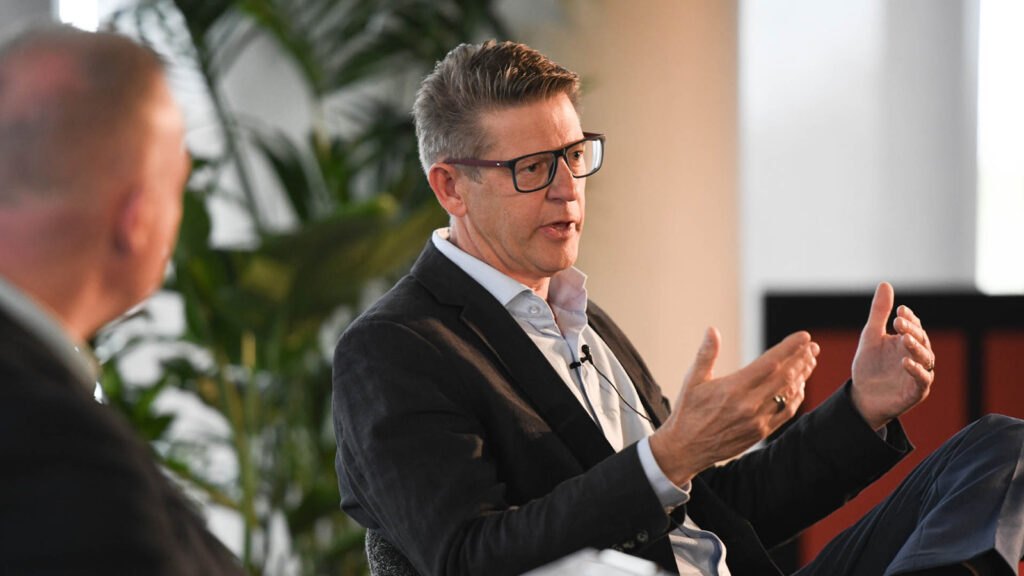
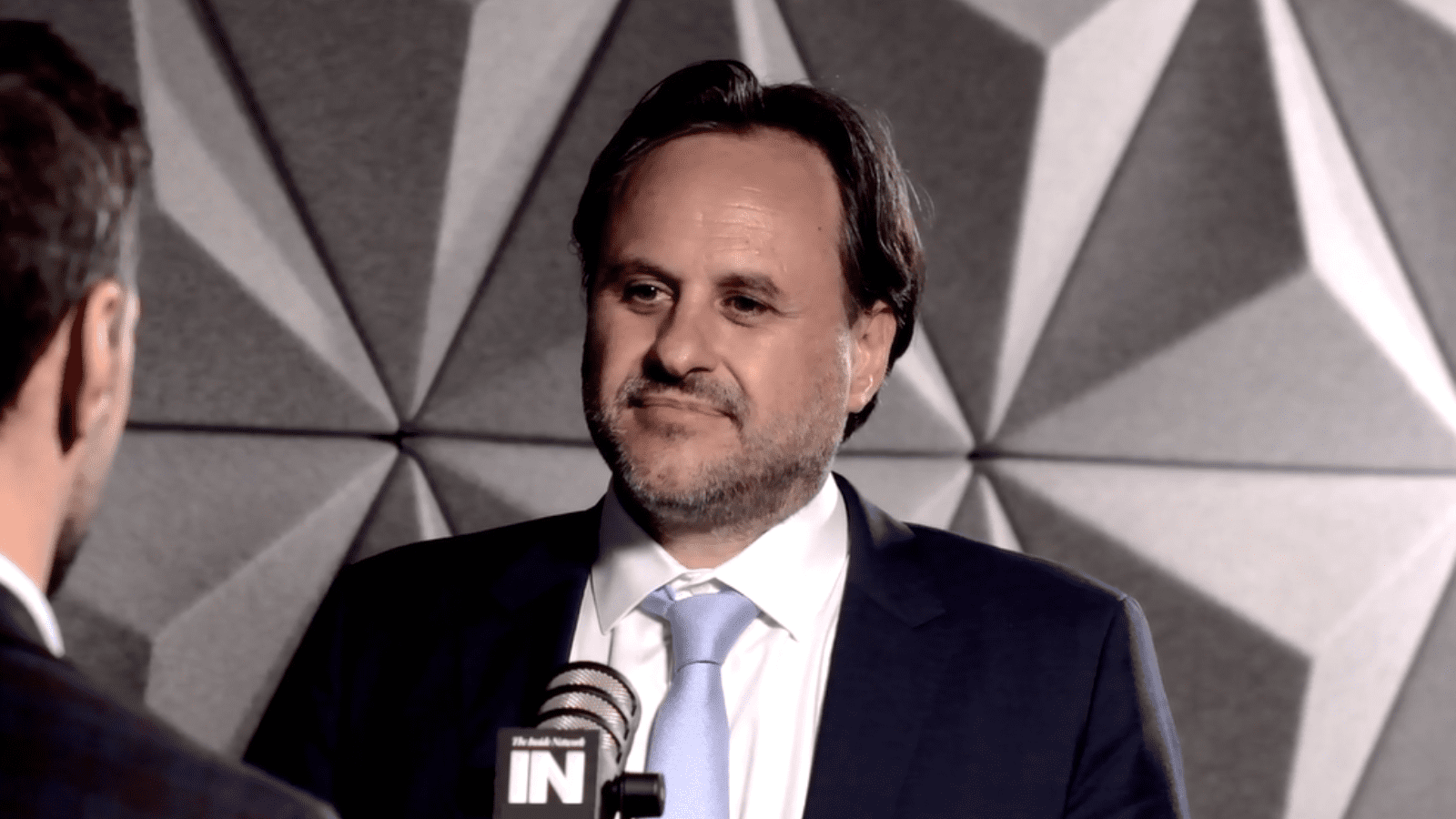
“One is that the pandemic stimulus, both fiscal and monetary, built up big buffers for consumers and corporates,” Foster (pictured) explained on a recent webcast. “So they’ve got to work through that buffer before they get concerned about their ongoing sustainability or as a corporate their ability to keep their employees in jobs. They’re working through that… and it’s taking a lot longer than people expected.”
Certain areas of consumer spending have stayed very resilient, Foster said, with restaurants spending a prime example in both Australia and around the world. People are still in jobs and even though inflation is high they have a buffer to protect themselves against anything going wrong in the future. But they’re burning through those buffers, with “most economists” believing they’ll be gone by the middle of this year.
“The second aspect is employment; everybody is still employed and employment markets around the world are almost at full employment. There are some signs of that weakening now but you’ll need to see employers make larger job cuts which feeds into worse consumer spending, which feeds into lower earnings growth and lower stock prices.”
The possibility of a major correction and volatile markets feeds into the ongoing active versus passive debate; unlike in the past, inflation is stickier and higher, and the Fed Put can no longer be used to put a floor under markets and create a V-shaped recovery.
“The normalisation of rates means that the macroeconomic relationships that active strategies thrive on have returned to more normal levels; when you’re picking stocks you’re able to pick stocks that are able to perform well in the cycle you’re in,” Foster said. “It becomes more predictable.”
Foster also noted that for most of the last decade the direction of markets has been driven almost entirely by the large cap stocks. That’s now turning around, and a smaller stock has a better chance of outperforming the broad index.
“In narrow markets, stock pickers tend to struggle; when we have the reverse active management tends to outperform,” Foster said. “We’ve just entered that market and this is something the Future Fund has picked up on as well. If you’re a passive investor, you’re just owning the largest stocks; think back to the early 2000s and your portfolio was driven by the likes of GE and Exxon. Where are they now? If you held them as a passive investor you wouldn’t have done as well.”