Monday 22nd May 2023
VC charging as startups grow to scale at speed, but support needed for next phase
Digital transformation, combined with companies staying private for longer, means successful startups are scaling up faster. The next wave of development, SeedSpace's Cathryn Lyall said, would come from larger VC fund allocation and sovereign wealth fund investment.
The world of venture capital is experiencing rapid growth as the companies they go through fundamental change, with seedling outfits developing from initial ideation to scale at a faster rate along with technological advancement and improved information architecture.
Digital transformation is facilitating more agile systems and business models, according to SeedSpace Venture Capital partner Cathryn Lyall, with innovation moving away from in-house teams and more towards the world of start-ups.
Seed Space is an Australian and Swiss-based early stage venture capital firm.
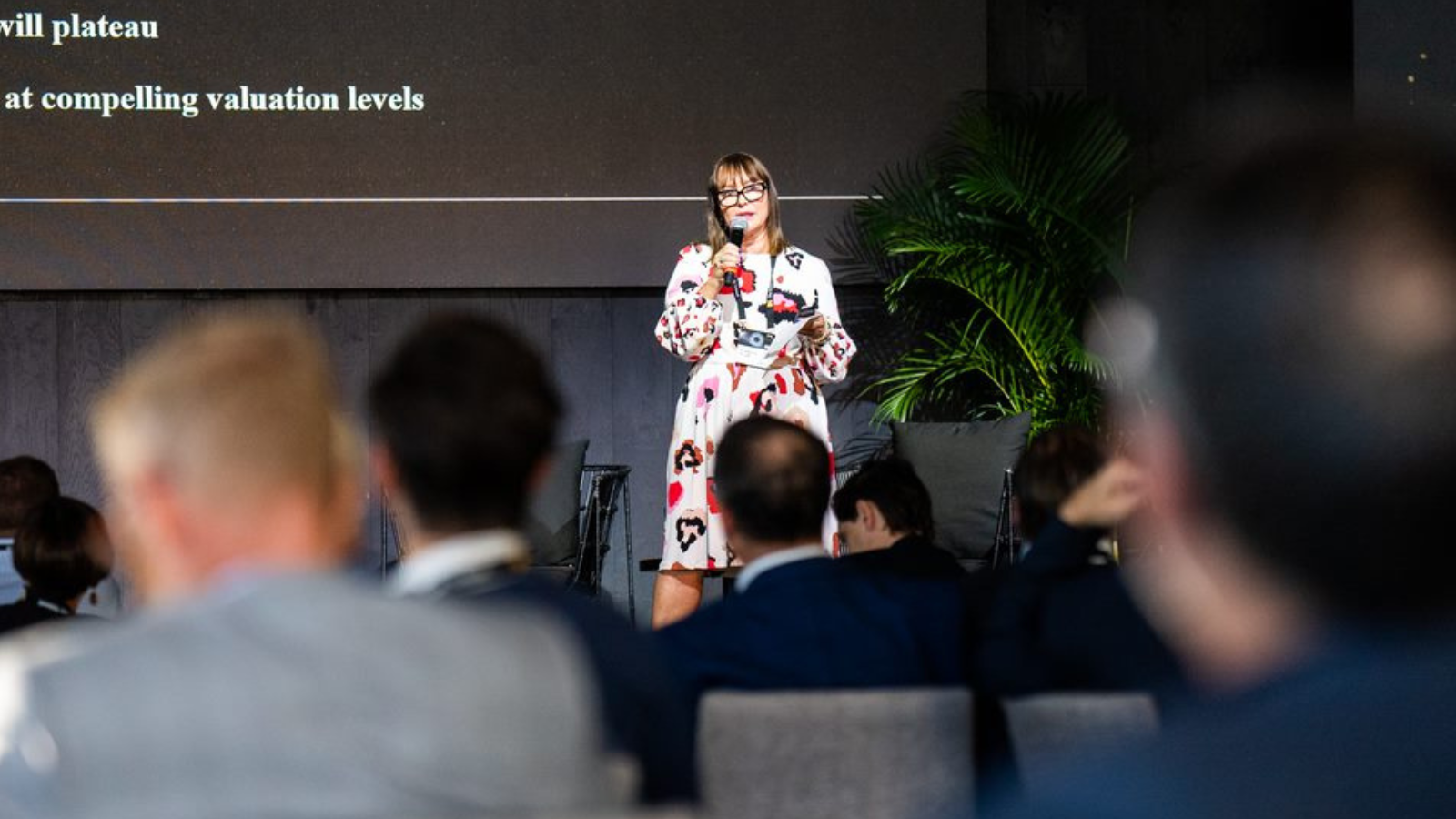
Speaking at The Inside Network’s recent Investment Symposium on the Gold Coast, Lyall said the journey from ideation to scale for successful start-ups, which previously took five to seven years, is now taking place over two to five years.
“In 2020 the system started to pick up, with more funding being allocated combined with the trend of companies staying private for longer, they’re not listing early because they’re not needing access to public capital, Lyall explained. “So that funding kind of acted as rocket fuel to these organisations.”
For investors, that means not only faster capitalisation of their investment, she explained, but much quicker exit opportunities.
“It’s not a quick turnaround thing like people might perceive,” she explained. “You do accept that capital will be tied up, but we have seen an acceleration of those exits – especially when they do list, but that’s not for any need of capital, it’s more so founders can exit.”
Lyall explained how the venture capital firm is approaching some of the more attractive young businesses on the market, which include real estate product and infrastructure provider Hutly, private equity liquidity provider Liquidise and advice tech leader Otivo, which gives consumers a modicum of financial advice guidance through a suite of online tools.
“We were one of the first early stage investors in Otivo. We’ve been along for the journey and all the pivots, but we think these platforms as a service have a lot of potential to become more attractive to consumers as the market matures.”
One thing the domestic VC market needs to take the next leap, Lyall believes, is more support from larger VC allocators, the government and its sovereign wealth fund. While the Australian market is taking great strides, it sits well behind comparable nations in VC funding – especially that which is allocated at home.
“If you look at every single one of our OECD peers, all of them have a sovereign wealth fund like the Future Fund, and all of them allocate to early stage investments but ours doesn’t have a mandate to do that,” she said. “They do at the early stage but exclusively to early stage funds overseas, with zero in the Australian ecosystem.
“They’re doing well out of those investment but it’s absolutely past time they allocate to our own early stage funding system,” Lyall continued. “There are plenty of safe hands out there in terms of compliance and governance, including us.”