Wednesday 22nd February 2023
The most common illiquidity, risk and volatility fallacies investors face
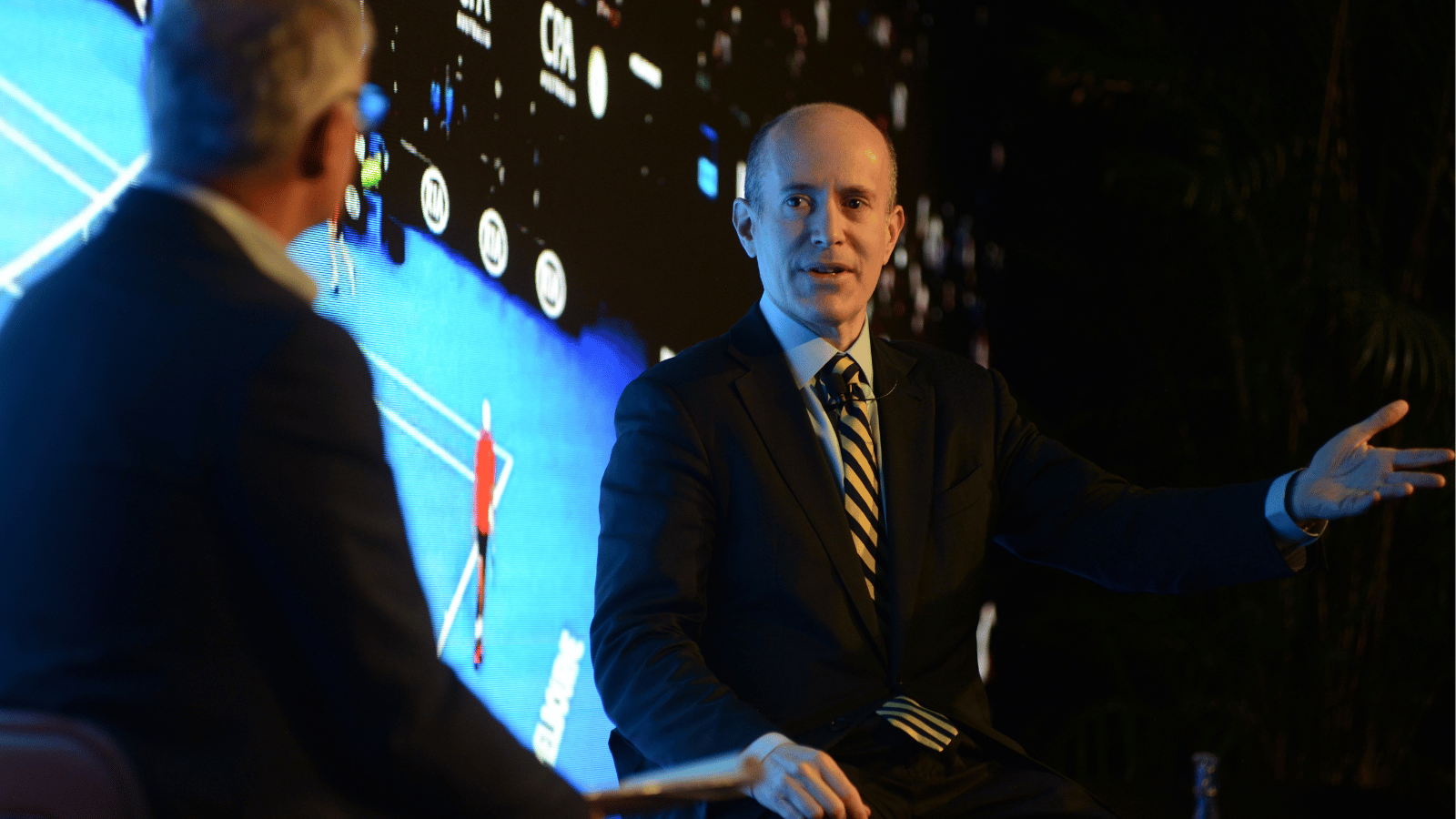
Lending specialist Daniel Zwirn spoke candidly about investor "credit myths", and the misunderstandings that hold people back in the selection and movement of assets in portfolio construction.
There are many ways to obfuscate the risk/reward dynamic within financial product offerings, according to Arena Investors CEO and CIO Daniel Zwirn (pictured), but investors are often just as culpable as providers in generating misunderstanding.
The respected credit and lending specialist was asked at The Inside Network’s Alternatives Symposium 2023 this week to name some of the more common mistakes fiduciaries and investors make in the selection and movement of lending assets in portfolio construction.
There are three standouts, he explained, which the Arena team typically bundle into “credit myths”.
“The first thing I would note is that there is this notion that when you have illiquidity, you deserve a premium for that, relative to that which is liquid,” Zwirn said. “And I think folks don’t necessarily understand the degree to which there is virtually nothing that is liquid.”
In the wake of the GFC the intermediation of financial assets has become “decimated” not only by over-regulation, he said, but by misinformation. In most instances, the notion that assets can be readily unloaded “makes no sense what-so-ever” in the current economic environment.
The other misapprehension about illiquidity, Zwirn explained, is that investors fail to consider if the illiquidity premium is already included in the asset price. “The question is, insofar as I do care about liquidity, is it intrinsically built into what I’m doing?”
He gave the example of comparing a simple two year real estate credit bond to a commercial mortgage-backed security with a comparable rate.
“One has control on the underlying asset that is effectively in the lender’s purview, the other doesn’t,” he said. “Yet the bond is perceived to be lower risk, and more liquid, and easier to understand, so I think there is a real need to understand what liquidity and illiquidity really is.”
The second thing the team at Arena have picked up, he said, was the need for investors to actually look through the actual risks being taken. Seniority in the asset stack is all well and good, but that only paints a marginal picture of the risk being taken in the overall spectrum.
“So yes, it’s all senior [debt],” Zwirn said. “But if it’s three times leverage, then that’s a different type of issue. There is this notion of looking at the intrinsic or transmitted risk by looking through the way the investment is packaged.”
The final stumbling block for investors, he said, is the “overwhelming desire” to avoid volatility.
“The quest for ‘non-bounciness’ is one of the worst aspects of the climate,” he said. “There are things that provide an investor a steady stream of return, yet the intrinsic volatility is very high. And you should like that, not run from it.”