Thursday 2nd February 2023
'Absolutely too complex': SMSF body slams indexation rules amid cap increase

The likely 'double-bump' transfer balance cap increase to $1.9 million will exacerbate what is already an "overly complex" indexation rule that advisers have to navigate and explain to clients, the SMSF Association's Fabian Bussoletti says.
The SMSF Association has repeated its call for transfer balance cap (TBC) indexation rules to be simplified after the latest consumer price index figures from the Australian Bureau of Statistics indicated a jump from $1.7 million to $1.9 million is likely from July 1, 2023.
After a concerted period of high inflation in 2022, the likely increase (which will go ahead unless there is legislative intervention) will double the previous $100,000 increase in 2017.
While the TBC increase is being welcomed as an appropriate way to keep the maximum tax-free pension pegged to cost-of-living standards, the association believes the proportional indexation method used to calculate caps for trustees who have already started drawing a retirement phase pension is unnecessarily complex.
Rather than having a single, standardised cap for all, the Australian Tax Office will calculate an individuals TBC using a pro-rata scheme whereby if the trustee has started an income stream yet hasn’t used the full benefits of the current $1.7 million cap, their cap will be proportionally indexed based on the highest ever balance they’ve had in their transfer balance account and will fall somewhere between $1.7 and the presumptive $1.9 million cap.
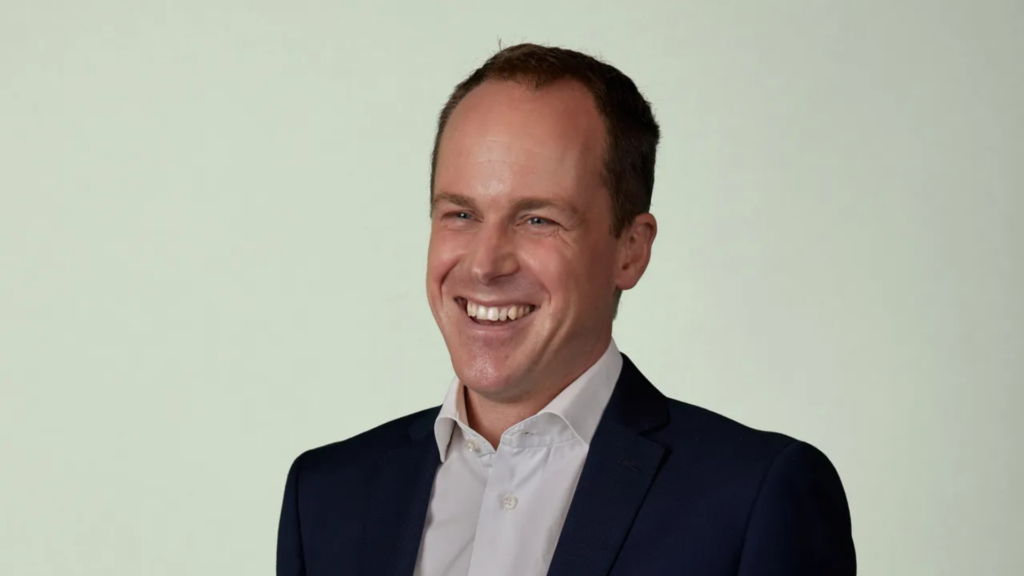
The likely ‘double-bump’ increase will exacerbate what is already an “overly complex” indexation rule that advisers have to navigate and explain to clients, according to SMSF Association technical manager Fabian Bussoletti (pictured).
“Financial advisers like to talk about concepts that make sense, for example explaining to clients that once they exceed a set figure, they have used up their cap, which means they can then talk about implications and strategies,” Bussoletti tells The Inside Adviser.
“And, when you review a client database to try and identify clients impacted, you’re looking for a set dollar figure, say $1.9 million. The problem with proportional indexation is that we don’t have one figure, we have potentially 300-odd figures. Every single dollar between $1.6 million and $1.9 million could potentially represent an individual’s personal threshold. Imagine the complexity.”
The association made the case for reducing this complexity in its recent pre-budget submission to treasury, noting that the issue is compounded by a lack of access for advisers and SMSF administrators to the tax office information needed to obtain trustee transfer balance caps.
“Due to the complex nature of proportional indexation, it is inevitable that mistakes will be made leading to inadvertant breaches of the TBC,” the submission states, adding that “distortions” will continue to arise as the TBC increases with indexation.
Jumping through hoops
Further rule quirks increase the complexity, Bussoletti continues, such as the new cap being based not on the balance of an individual’s transfer balance account when the new indexation occurs but the highest ever balance of the account.
“The reality is you’ve got to go back and work out an individual’s highest transfer balance account record,” he says. “You’ve got to be able to jump through a few hoops to even work out the indexation.”
The complexity then flows into non-concessional contribution limits, Bussoletti adds, which are also dependent on the an individual’s total superannuation balance.
The concept of a transfer balance cap is an important one, the association believes, and one they generally support, but proportional indexation is “unnecessarily complex” and difficult for people to understand.
“It’s only going to increase the cost of advice and the likelihood of errors,” Bussoletti says. “It also creates an increased likelihood of opportunities potentially missed. Even for advisers… keeping track of this across a full book of clients is a complex and time-consuming process.”