Monday 28th November 2022
Responsible investing now one of the top actions people take to improve the world
It now sits aside recycling, reducing energy consumption and using biodegradable products as one of the most common methods of making a positive impact according to research from Australian Ethical and Investment Trends.
Such is the growing awareness of the sector, responsible investment has risen to become one of the most common actions people take to help improve their environment and the community around them according to research out of Australian Ethical and Investment Trends.
While traditional efforts such as recycling (81 per cent), using biodegradable products (60 per cent) and reducing energy consumption (69 per cent) remain the most common actions investors take to create a better world, the research reveals that responsible investing is a cause that 30 per cent of investors are now taking up.
The cohort or investors who are aware of responsible or ESG (environmental, social and governance) investing rose from 61 per cent to 75 per cent in 2022.
The research report, Turning values into actions: A new era of purpose-driven investing charts some of the data behind what Australian Ethical call a “new era” of investing, characterised by investors shifting long-held beliefs on ethics into their portfolios.
“Investors are leading the way and turning values into action – taking steps to align their investments with their personal values and using the power of money to create real change for people, the planet and animals,” the report states.
ESG concerns are clearly playing an increasingly active role in the thinking of investors. Almost half of investors (46 per cent) bought or sold investments based on ethical or ESG factors in 2021 – up from 40 per cent in 2020.
The role of advisers in steering investors wanting to create a portfolio with an ESG lens is also becoming increasingly prominent, according to the research. Twenty-eight per cent of investors said they would switch their adviser out if they couldn’t provide ESG advice, while over half (56 per cent) of investors said it was either “very important” or “extremely important” that their financial planner is able to provide advice on responsible investing.
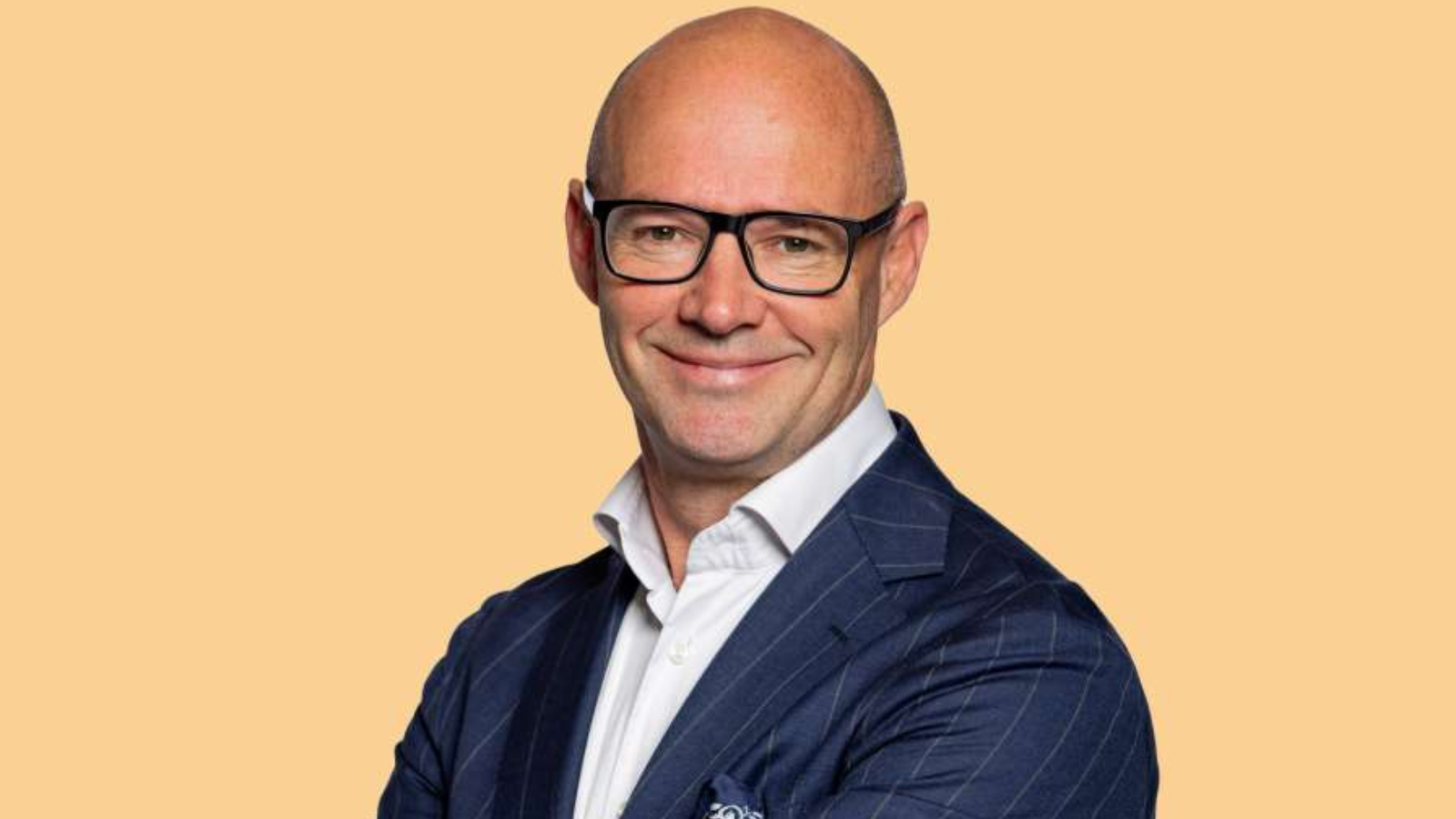
According to Australian Ethical chief executive officer and managing director John McMurdo, the explosion of ethical investing is “no overnight success story”.
In a recent editorial McMurdo made the point that the ascendance of ethical investing has a lot to do with people realizing that doing the right thing has ancillary benefits.
“More than morals, ethical investing is now dominated by another more practical idea,” he said. “That is that companies with good governance, that promote diversity and actively minimise their environmental impact will outperform companies that don’t.”
That thematic is now filtering onto executive suites, he notes.
“Meanwhile, corporate leaders who still believe that pursuing a sustainability agenda runs counter to the wishes of their shareholders are being replaced, often forced out by investors who understand the material risk such an outdated view presents.”