Monday 5th September 2022
Navigating volatility worth the prize
With so much negativity circling, one would assume that the market is likely heading lower or treading water at best. Wrong.
If you’ve been wondering if we’re near a bottom for both equity and bond markets, you’re not alone.
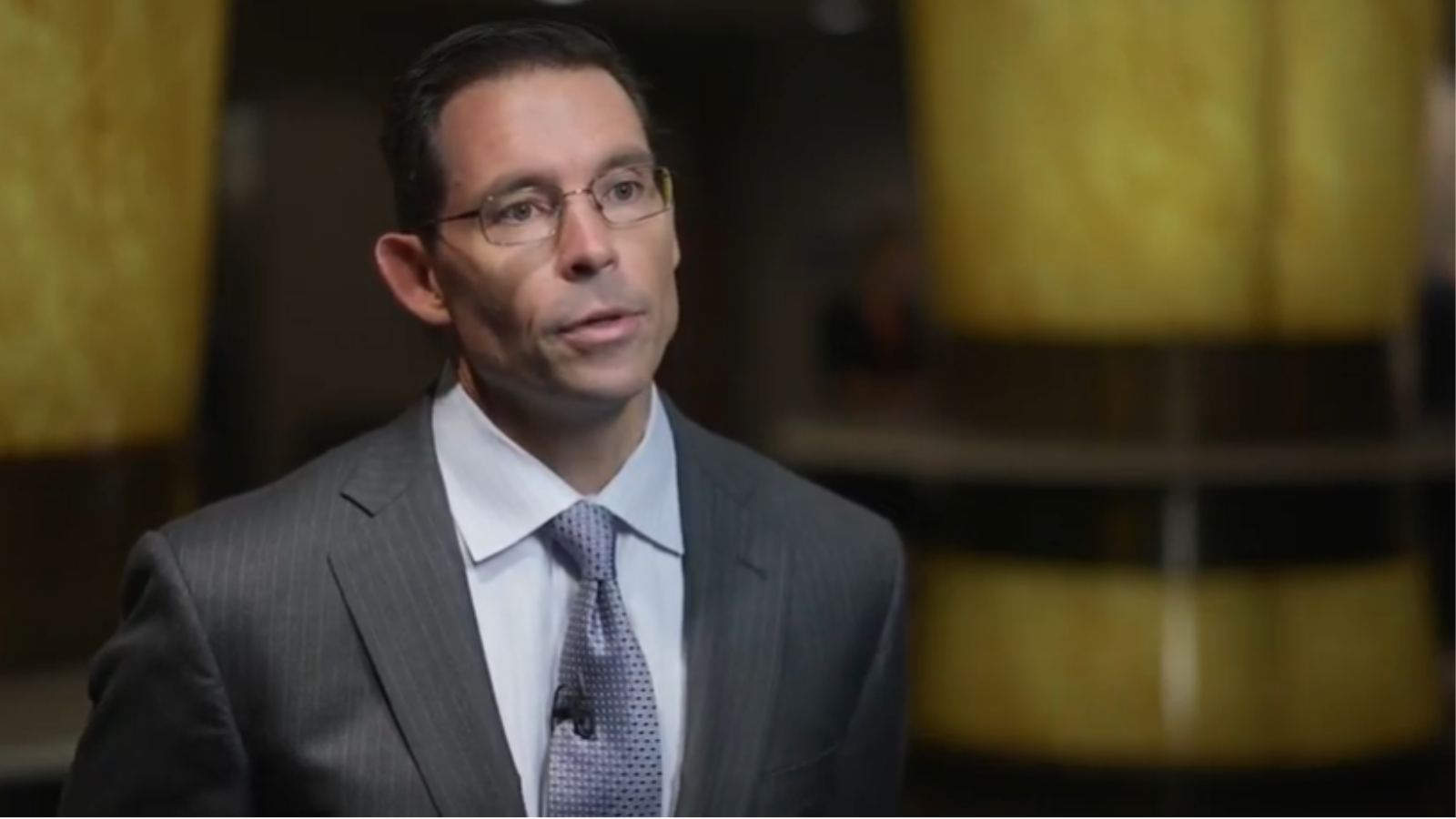
That question was posed to Joe Davis, Vanguard’s chief economist and head of investment strategy (pictured) last week. Davis accepts it’s been very challenging to work out exactly where the bottom is. There was a significant correction in global equity markets to begin the year. Bonds faired even worse, recording their worst start since 1788.
He concedes a lot of repricing has already occurred, largely due to aggressive interest rate increases by central banks resulting in a tightening of financial conditions. As for reaching an absolute bottom, Davis admits “nobody can really tell you that”, but believes the risks for equities are weighted to the downside. On fixed income, he notes whether it’s investment grade bonds, high-yield or emerging markets, they’re not fully pricing in the risk of a potential US or global recession.
Davis’s comments are echoed by BCA research. In its latest monthly update, BCA retained its underweight equities allocation for portfolios citing the rising risk of a global recession.
The research house points to a multitude of concerns clouding the economic outlook including dwindling European and US manufacturing data; stubbornly high inflation spurred not just by supply constraints but also by excess demand; Europe’s energy crises; hawkish central bankers who are unlikely to ease monetary policy until inflation is clearly heading back to two per cent; and a notably weak Chinese economy as half-hearted attempts to stimulate are having little impact given company’s reluctance to borrow.
BCA remains neutral on investment and high-yield fixed income, instead favouring government bonds where yields are high enough to “represent a good inflation hedge”.
Vanguard’s and BCA’s views are largely shared by the market. The August Bank of America global fund manager survey confirms this sentiment, with the bull & bear indicator stuck on zero (indicating max bearishness). With so much negativity circling, one would assume that the market is likely heading lower or treading water at best.
Wrong. The S&P/500 is up 16.3 per cent from its low in July. Locally, the benchmark S&P/ASX 200 index has added 9.9 per cent. Bonds have also rallied, as recent commentary by the US Fed was interpreted as dovish and that interest rates may not need to go as high as previously thought (bonds prices increase as yields fall).
Despite the recent market bounce, fund managers have been hesitant to get involved. Cash levels did fall in August to 5.7 per cent – down from a record 6.1 per cent in July – however still remain well above historical averages. Again, this supports the view investors remain bearish.
But it also highlights that a lot of money is still on the sidelines, and should markets continue to rally, managers will be forced to deploy cash to avoid the fear of missing out, exacerbating further market increases.
The irony of equity and fixed markets rallying is that it represents a loosening, rather than a tightening of financial conditions – the exact opposite of what central bankers want. Should markets continue to rally, it would give the green light for more aggressive rate increases.
With so many balls in the air, how should investors navigate the current market volatility? Vanguard chief investment officer Greg Davis says dollar-cost averaging (when investors contribute a regular amount to their portfolio periodically) has worked out well. He also adds that staying invested is key to achieving strong long-term returns.
Davis supports his comments with internal Vanguard research that shows if an investor missed the 30 best days in the market, their annualised return is “almost 300 basis points lower” than if invested the whole time. He adds that trying to time the market risks turning a stock investment into a fixed income investment in terms of returns. Notably, the best trading days were clustered closely with the worst trading days, making market timing next to impossible.
To take a quote from Morgan Housel’s book The Psychology of Money, “Volatility is the price of admission. The prize inside is superior long-term returns”.

Lachlan is an experienced journalist writing across The Inside Investor and The Inside Adviser.