Monday 22nd August 2022
Bubble spotting as much art as science: Ruffer
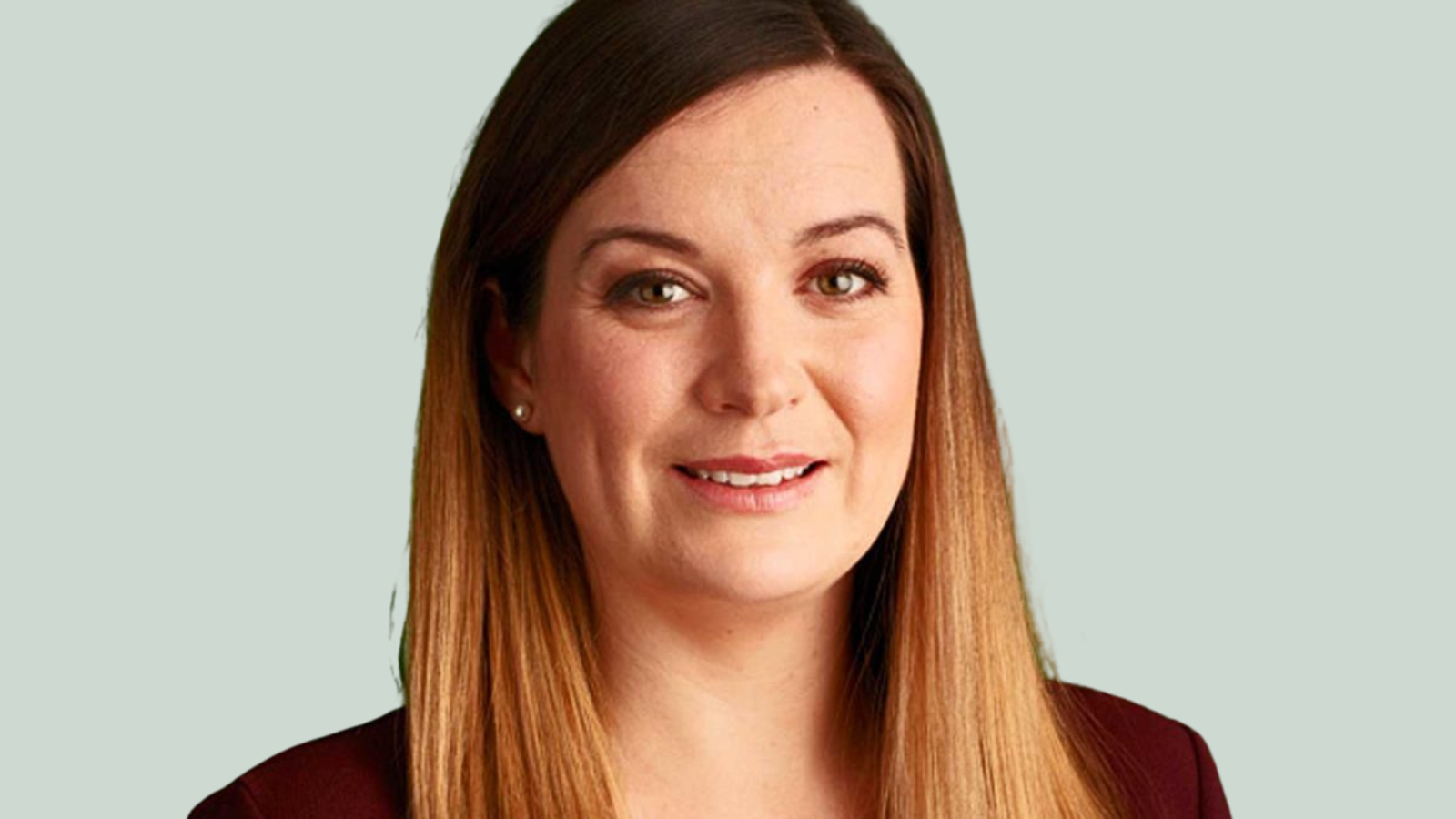
The analysis required to distinguishing the hot from the irrationally over-heated is about more than numbers, according to Ruffer's Lauren French.
Avoiding the kind of financial ruin associated with bubbles is less about timing your way out of them and more about judiciously avoiding them in the first place according to Lauren French, investment director at investment management firm Ruffer LLP.
For fiduciaries, steering the ship past the “Charybdis of irrational exuberance” is the benchmark responsibility, French says. But if Isaac Newton, who invented calculus and modern optics before losing his life savings in the South Sea Bubble of 1720, can fall victim all investors should remain guarded.
“If even the father of modern science couldn’t spot when assets were defying financial gravity, what hope is there for any of us?” she says.
The danger bubbles present is magnified for society at large by the recent explosion of retail investing, facilitated largely by the internet.
The trick for consumer investors and wholesale fiduciaries alike, she explains, is to assiduously identify bubbles as they happen and avoid them. That’s where the science gets overtaken by more subtle skills.
“The art is to judge when the probability of being in a bubble has risen and position portfolios accordingly,” she says.
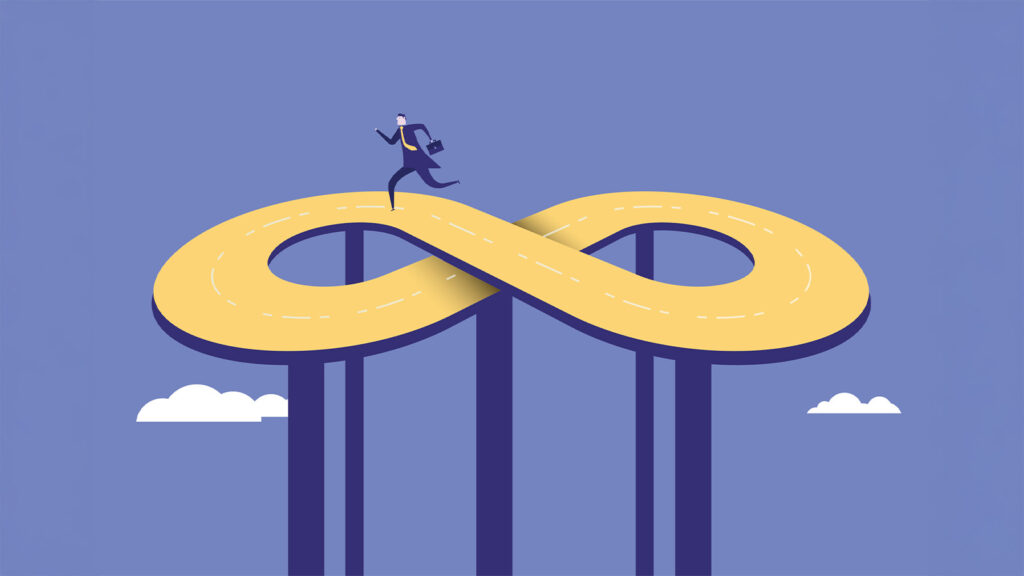
It helps that bubbles, like the human behaviour that drives them, usually follow a pattern with distinct phases, French explains.
Bubbles attract more and more investors until it becomes a national past-time (phase 1), with investors keen to avoid missing out on gilded returns. A new paradigm develops (phase 2), as some “economic innovation, new market or technological advance emerges”, which has a value that is rapidly outstripped by hyperbole.
Finally, as the smoke clears and “frauds are laid bare”, investors cry foul at being led astray and search for scapegoats (phase 3).
The Dutch tulip mania of 1636. The US railway madness of the 1840s. The global tech bubble that brought modern markets to their knees. All follow the same series of steps.
Knowing these steps is a key component to judiciously avoiding getting caught up in the hype, French says.
“We are careful not to take a single view of how the world might unfold. Given this cautious approach, we avoid fully running with the herd.”