Thursday 31st March 2022
Investing in nuclear energy: are we at a new dawn?
With climate change front and centre of every investor’s mind, most people think of renewable energy or clean energy production as being primarily solar panels or wind turbines. Often many of the more effective and efficient renewable energy production processes are left out, such as hydro-electricity.
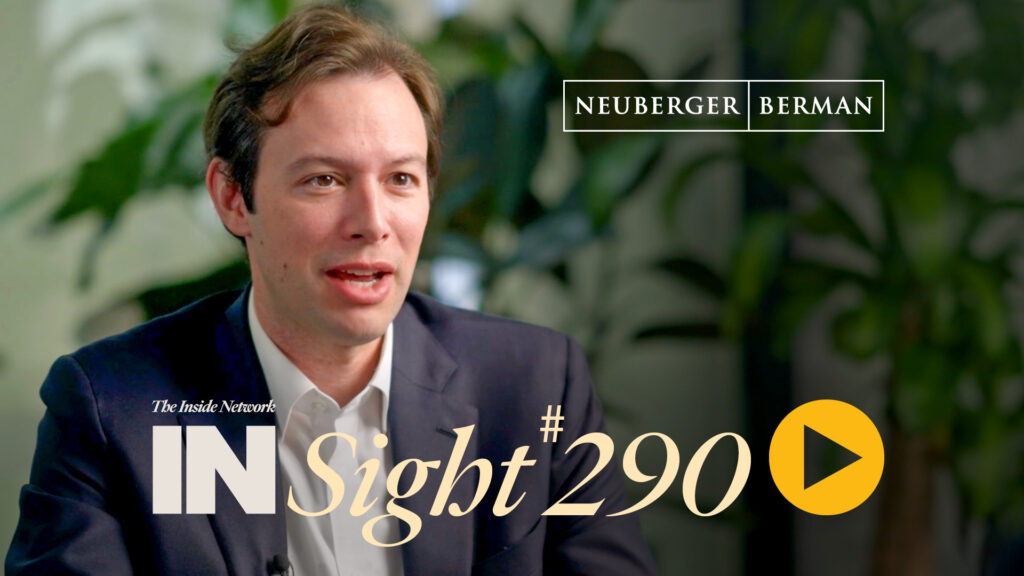
Nuclear power is almost always omitted from the “clean energy” banner, despite it being the second-largest source of low-carbon electricity in the world behind hydropower. Portfolio manager Tal Lomnitzer, of Janus Henderson Investors, explains what is meant by green energy and explores the challenges and opportunities in uranium, an increasingly relevant topic for investors applying ESG considerations.
The European Union is trying to achieve its decarbonisation goals by bringing nuclear power back into the mix. There is a negative stigma surrounding nuclear power due to past catastrophes, but Lomnitzer agrees, “Nuclear power is considered by the Global Natural Resources Team to be much cleaner than natural gas, as it produces no greenhouse gases. It can be an excellent baseload electricity supply, providing countries with dependable energy security, which historically was the case in the US, France, Germany, Japan, Russia, and South Korea. Furthermore, nuclear energy is typically produced in countries that are geopolitically stable. “
Wind, solar and hydro might be “cleaner” than nuclear, but these sources are “intermittent and require storage and ‘spinning reserve’ for the energy grid to function effectively. Nuclear power is the only spinning reserve that does not produce greenhouse gases,” says Lomnitzer.
There are problems with nuclear power, being economics, waste management and public perception. The political will is needed to include nuclear power in a country’s energy mix for nuclear to succeed. The other reason nuclear power is a touchy subject is “because of the risk of rogue production of nuclear weapons, the extremely long life of nuclear waste with its need for secure long-term storage, the economics of larger reactors and the environmental impact of nuclear accidents,” says Lomnitzer.
And then there’s the 2011 TÅhoku earthquake close to the east coast of Japan, which caused the Fukushima nuclear disaster and the closure of nuclear power plants worldwide. Lomnitzer says “These issues could potentially be resolved by shifting nuclear fuel from uranium to thorium, from which nuclear weapons cannot be made.”
Lomnitzer agrees that there are unavoidable trade-offs everywhere within the energy system. If a world could be purely powered by solar and wind it would be great, but the reality of managing a power grid is that a ‘spinning reserve’ is required to keep the system stable. This can be achieved with power storage Tesla battery, hydrogen or nuclear power, or most likely some combination of all.
Lomnitzer is confident nuclear power will be reclassified as green energy and that will cause a rise in the uranium price following a surge in demand. The knock-on effect is the creation of some attractive investment opportunities.

Ishan is an experienced journalist covering The Inside Investor and The Insider Adviser publications.