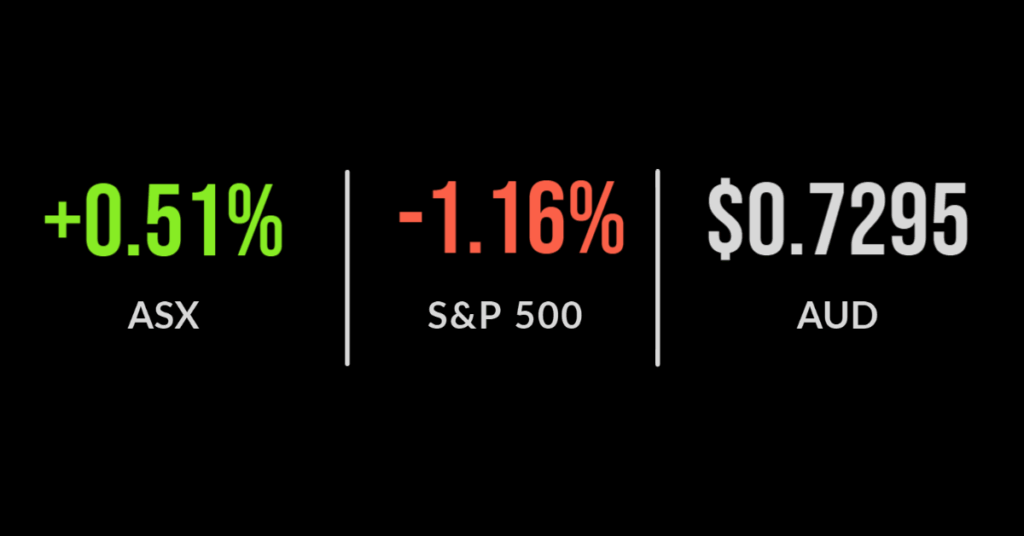
Monday 28th February 2022
What do I do when nearly everything is down?
Just a few short months ago, we were asking the question “are equities too expensive?” The threat of rate hikes then switched the rhetoric to “why aren’t bond yields higher?” But now investors face an even more challenging question, according to Kerry Craig, global market strategist at JP Morgan Asset Management: “what do I do when nearly everything is down?”
The seemingly constant shift in market fortunes and sentiment, just two months into 2022, highlight the massive challenges that asset allocators are facing in an effort to “balance-out the risk from rising rates, higher inflation and potential growth shocks.”
According to Craig, inflation pressures in the US are “extreme,” but may also be nearing their peak, with a number of one-off price jumps set to flow through. However, “wage pressure and shelter costs will be more persistent,” he says, which will mean the Fed is on track for tightening.
The opportunity, however, may be that the “tightening of policy is unlikely to be more aggressive than already being priced by the market and the risks to growth may actually lead to a more conservative path for rates than the market expects.”That is, the risk is squarely to the upside, particularly given the events in Russia.
While it is clear that growth rates will slow in the coming months, inflation rates are set to ease, creating a favourable mix and ensuring equities will remain supported with a strong earnings outlook.
Among the most powerful long-term secular themes within equities is the mega trend of climate change, according to portfolio manager in the London-based macro strategies team, Josh Berelowitz. But it isn’t all about the green and renewable energy investments, rather JP Morgan is “investing in select utilities companies that we believe are leaders in the energy transition,” Berelowitz says.
These names are increasingly located in Europe, where regulation is helping to drive change, something that remains difficult in Australia.
‘Europe is also leading in terms of transport by discouraging flights and road transport, and pivoting towards rail, so we are investing in companies with a focus on greener transport,” he explains. While the sector remains broadly on the nose, he suggests that the “market continues to under-price a number of tech themes….including the adoption of cloud computing, digital transformation and electronic payments.”
With the backdrop of a more varied and multi-speed global economy, the manager is seeking to “focus on quality companies that are able to maintain margins in the context of higher inflation and lower growth.” Within equities, where JPMAM remains slightly underweight, it is focused on “strong global brands in consumer discretionary” and “utilities that benefit from the transition to renewables,” with protection in the form of currency holdings and put options an important diversifier.