Thursday 4th November 2021
Is the property boom already over?
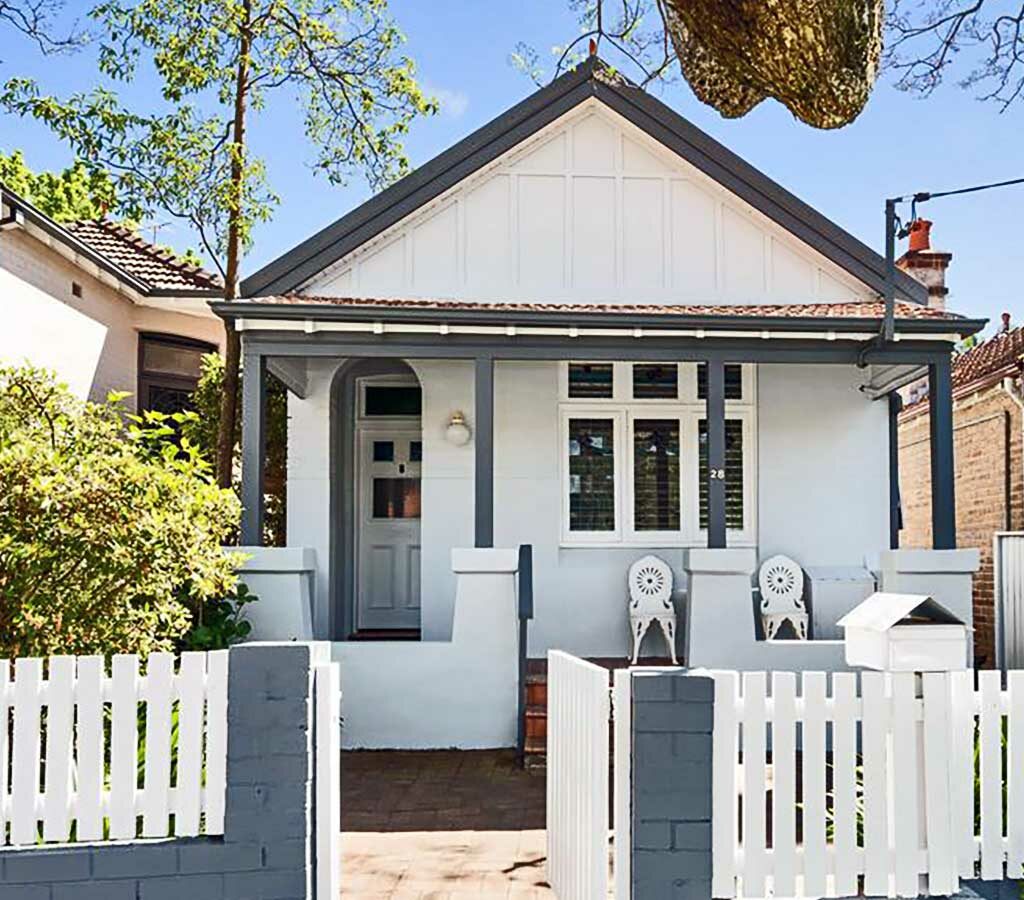
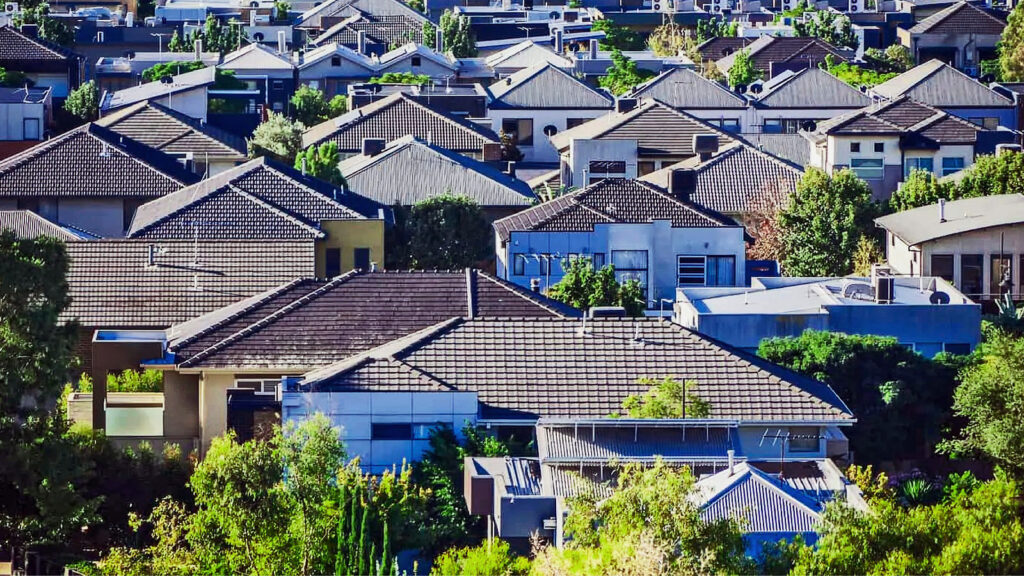
“House prices could fall 20 per cent” read the headlines last week. Chris Joye, the founder of fixed-income manager Coolabah Capital, wasn’t seeking headlines, but rather being realistic in his latest piece. Having kept track of the entire cohort of mainstream economists for several years now, Joye continues to stand out as being the most prescient and accurate when it comes to forecasts.
Earlier this week we saw Australian inflation begin to “normalise,” with headline inflation 3.1 per cent higher an an annual basis, but “core” inflation just 2.1 per cent. While it is clear that a number of short-term factors are driving this, including a 10 per cent increase in transport costs, 6 per cent in furnishings and 4 per cent in alcohol as supply chains remain disrupted, the latest print still fell within the Reserve Bank’s new “target band.”
The target band defines the level of inflation which the RBA is “comfortable,” and hence, is seeking to deliver through the minimal policy options it has available. According to Joye, this normalisation of inflation, if sustained, is a “game changer” for every asset class from equities to bonds, house prices, and more broadly, portfolio construction.
A war has been playing-out between hedge fund and bond investors and the RBA, which has been seeking to use “yield curve control” to keep the two-year bond rate gravitating to zero. But last Friday, this policy ultimately fell apart with the yield jumping from 0.1 per cent to over 0.6 per cent in a few short hours. This was somewhat expected, given the amount of work required to sustain this approach, with Coolabah’s team believing that central-bank bond purchases offer significantly more flexibility with higher impact. Interestingly, Joye estimates the natural rate should be around 0.8 per cent without RBA intervention.
Looking forward, Coolabah suggests the RBA will want to see multiple quarterly inflation results around the 2.5 per cent market before it will even consider taking action. This could occur as soon as late 2022, but more likely 2023, he says. That is without giving consideration to the unique nature of the Australian economy.
The RBA is ultimately going to be driven by the level of wage inflation in Australia, which itself has been determined for decades by our massive immigration program. A flood of skilled migrants tends to have a deflationary impact on wages, and in fact may send unemployment higher when borders are fully reopened. The result is that any rate hike may be closer to 2023.
Where the majority of economists, bond managers and experts of all kinds can’t seem to agree is where the “neutral” level of the cash rate actually is. The neutral level is defined as a cash rate setting that has neither a stimulatory or contractionary impact on the economy. Among the more bullish forecasters, many of whom have also been predicting inflation for the last decade, the suggestion is that this level is above 3 per cent. On the other hand, Joye suggests this may well be much lower than many expect, sitting closer to 1 to 1.5 per cent.
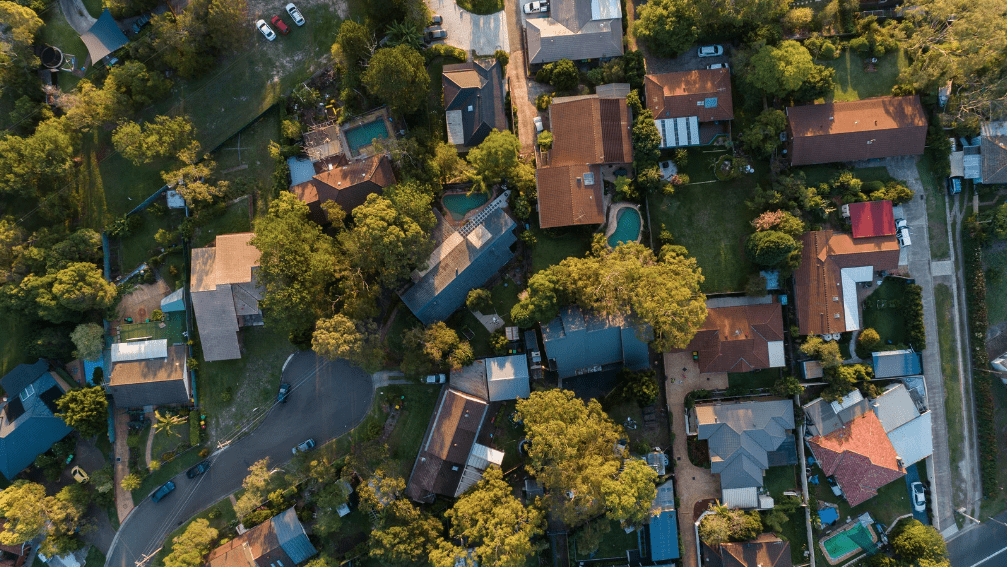
Either way, the impact of this sort of retracing of interest rates will be “profound.” Coolabah’s detailed house price modelling suggests that a 100 basis point (one percentage point) increase in the cash rate, along with bank rate hikes, could “force house prices to correct about 15 to 25 per cent.” Only time will tell if Joye and his team are right.

Drew is editor of The Inside Network's publications and a principal adviser at Wattle Partners.