Thursday 9th September 2021
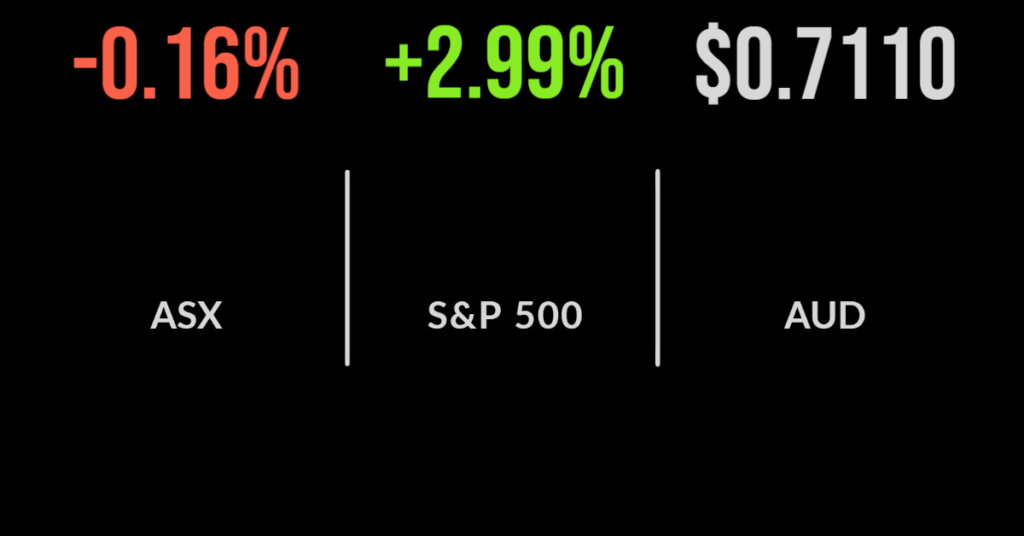
ASX shocker, falling 1.9 per cent
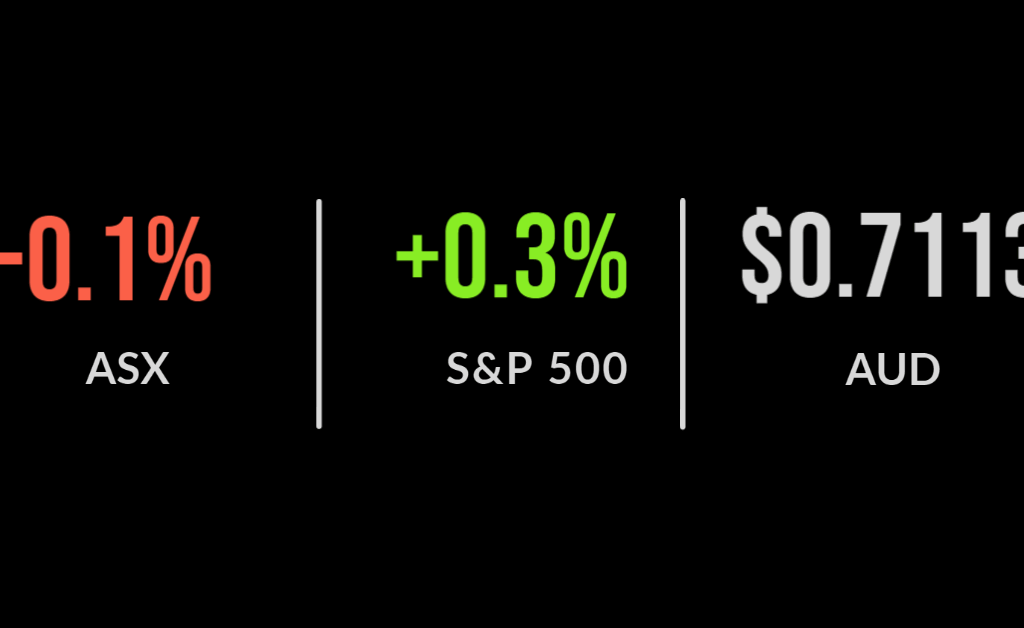
ASX shocker, flight to quality, smaller companies sold off
The ASX200 (ASX: XJO) suffered its worst day in months falling 1.9% with 95% of the largest 200 companies share price’s dropping.
Every sector was lower and significantly so, with the major selling pressure hitting the popular smaller companies, technology, and consumer sectors.
The tech sector fell 3.2% on the back of falls in popular names like Nearmap (ASX: NEA), down 4.5%, and Megaport (ASX: MP1), down 5.4%. It was a similar story for materials, down 2.1%, after the iron ore price fell another 3.5% overnight.
On the positive note, Resmed (ASX: RMD) was a rare winner, with the sleep apnoea product distributor jumping 1.8%.
As highlighted in this column earlier this year, quality will be the key to navigating what will likely be a more volatile environment for the next few years, with defensive but profitable companies operating in consumer staples, healthcare and property likely to outperform.
This was certainly the case today, with all three falling less than the market, down 0.7, 1.3 and 1.1%.
Big name winners, WA’s massive surplus, NSW reopening plan
Smaller companies felt the brunt of the market heat with the ASX Small Ordinaries dropping 2.4%, compared to the ASX50 which fell 1.7%.
There did appear to be some support as the session closed, with the market rallying off its lows. This has been the story of 2021, with dip buyers ultimately seeing value in shares given the income starved world we live in.
There was positive news on the economic front today with the WA Government announcing a significant surplus for the financial year. $5.6 billion in excess cash was delivered after the state benefitted from $11.3 billion in royalties on the back of a soaring iron ore price.
In NSW, the Premier also outlined a reopening plan, which despite the positive news likely delivered a realisation that the economy may not ‘snap back’ to normal as quickly as many are predicting.
Fourth straight decline, uneven recovery, ECB cuts purchases
US markets closed lower for the fourth straight day, led down by big tech as Netflix (NYSE: NFLX), Amazon (NYSE: AMZN) and Microsoft (NYSE: MFT) all fell by over 1%.
In an about face from Australia, both staples and healthcare sectors also weakened despite the S&P 500 sitting on gains early in the session. The focus remains on the stuttering global economy and day-to-day flip flop in data.
Today it was a strong jobless claims report, with just 2.78 million on continuing claims, down from 2.8 million, another lower since 2020 began.
Europe looks to be joining the tapering party with the ECB confirming they would be tapering EUR$80 billion in monthly bond purchases sooner rather than later but offering little in the way of specifics; the UK market falling over 1%.
Attention remains focused on China, after the government was said to have put additional pressure on Tencent (HKG:0700) and Net Ease (NYSE: NTES) to reducing their focus on profiting from gaming following a crackdown on the use of popular apps by young children.