Monday 3rd August 2020
VFMC alumnus moves to CBUS
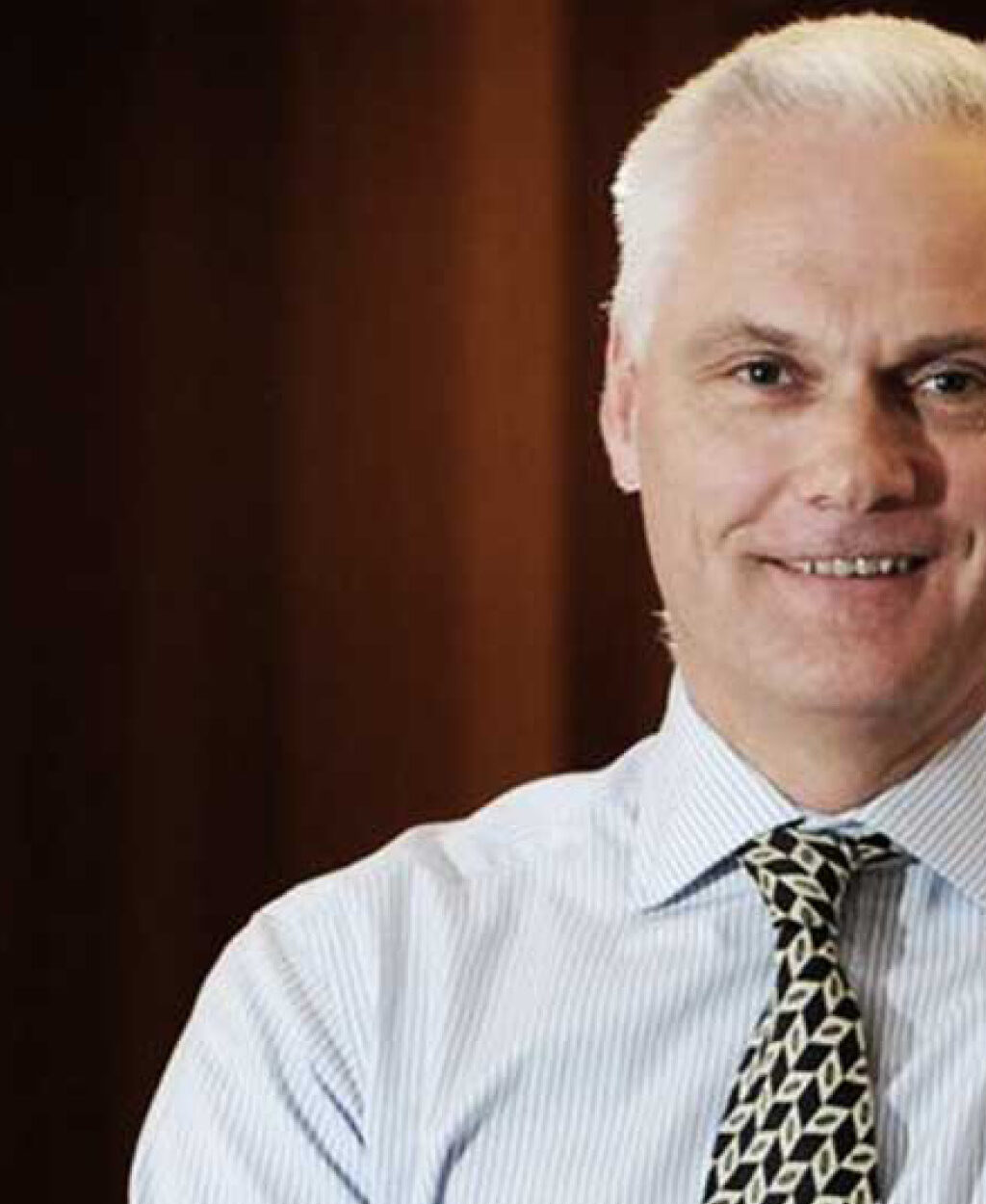
Justin Arter, who previously headed the $62 billion portfolio managed by the Victorian Funds Management Corporation, has taken the role as CEO of industry fund CBUS Super.
Justin Arter, who previously headed the $62 billion portfolio managed by the Victorian Funds Management Corporation (VFMC), has taken the role as CEO of industry fund CBUS Super. After spending several years as Head of Australian operations at trillion-dollar asset manager Blackrock Inc. and more recently with a consulting gig at ANZ Bank, Arter is the latest senior finance executive to make the move back to the profit-for-member super sector.
According to the Chair of CBUS Super, Steve Bracks: “Justin Arter is an executive with a global reputation……and is well-placed to build on our strong foundations to guide the next period of CBUS’s journey”.
CBUS has consistently been among the leading union-backed funds in Australia, with its strategy of adopting a very long-term view and focusing a portion of investment on major projects in which its members are actively involved, ultimately paying dividends. Under the guidance of outgoing CEO David Atkin, the fund’s growth-oriented My Super product has delivered returns of 0.75%, 7.13% and 8.54% over the last 1, 5 and 10 years, consistently putting CBUS at the head of the pack.
Times are changing, though, and the new CEO takes control at an important juncture in capital markets. Having benefited from a 30-year tailwind of falling interest rates, CBUS’ high exposure to real assets, including infrastructure (12%), direct property (12%) and traditional bonds (10%), means the fund, like all investors, faces an uncertain outlook should interest rates begin to rise. Combine this with increasing regulatory pressure, the Retirement Income review, calls for greater transparency and concerns about liquidity and there is little doubt that Arter won’t have much time to get his feet under the table.
Justin Arter
Until accepting the CBUS role, Justin Arter was an independent consultant who was most recently assisting the institutional arm of ANZ Bank in its work with industry superannuation funds.
Prior to consulting to ANZ, he spent two-and-a-half years in London with BlackRock as Head of the Institutional Business for the UK, Middle East and Africa. He joined BlackRock in 2012 as country head for Australia.
Prior to his service at BlackRock, Arter was CEO of Victorian Funds Management Corporation (VFMC) from 2009 to 2012. VFMC is the funds management arm of the Victorian Government, and manages approximately $64 billion for 29 public authorities and related organisations.
Prior to VMFC, Arter had an 18-year career with Goldman Sachs JBWere and its predecessor organisation JBWere, where he was an equity analyst and market strategist, and served on the board, management and risk committees.
Arter is a graduate of the University of Melbourne with degrees in Law and Commerce and attended the Advanced Management Program at the Wharton School at the University of Pennsylvania in 2005.

Drew is editor of The Inside Network's publications and a principal adviser at Wattle Partners.