

Sunday 25th January 2026
One way to avoid the sequencing risk ‘nightmare’


Nobody really cares about outperforming benchmarks – they want to make real money and avoid real losses. Atlantic House thinks it’s got the perfect way to do just that.
Sequencing risk is one of the few things that can keep even the most financially prepared investor up at night: the possibility that market drawdowns will significantly impact the value of their portfolio, especially when withdrawals are being made, causing them to lose enough of their nest egg that their long-awaited retirement might have to be put off, or even curtailed completely.
But the problem often isn’t the loss so much as the time it takes to recover it, according to Andrew Lakeman, co-founder of London-based alternatives manager Atlantic House.
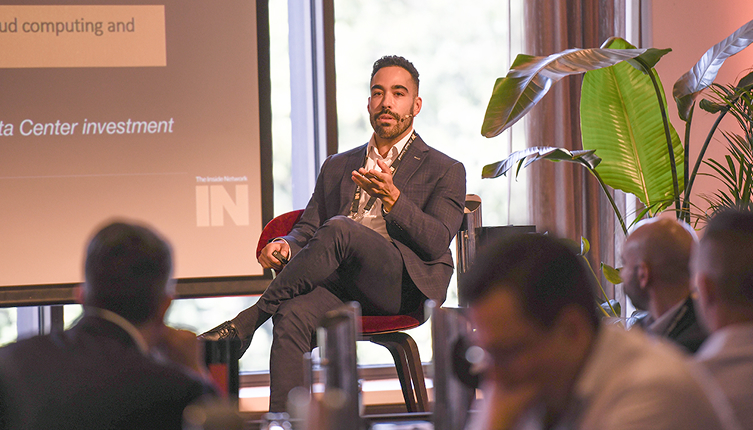
“If you look at big market corrections, the big problem for clients isn’t the size of drawdowns, it’s the length of time it takes to get back to where you started, and that takes a long time,” Lakeman told The Inside Network’s Investment Leaders Forum in Byron Bay recently.
“The average – based on FTSE drawdowns over 35 [per cent] – is it takes about six years to get nowhere. You might’ve had some dividends, but the biggest problem is the anxiety clients will go through in that six-year period. The increased chance of a panic reaction, a client cashing in their chips at exactly the worst point in time.”
One way to beat it and rebuild that nest egg quickly is through defined return strategies, Lakeman said. Atlantic House’s defined return fund, which invests in derivatives linked to large, listed indices and backed by investment grade sovereign and corporate bonds, takes the idea behind the downside protection of a hybrid to give clients “returns in the ballpark of seven to nine per cent – in a more boring, conservative way”.
“We take a government bond and turn it into a floating-rate government bond, sell some put options and use the cash to buy an income stream which you can have reinvested or paid out,” Lakeman said.
“We’ve got two rules: everything we buy has to have this cushion on the downside, so we’ve got to be able to get our dollar back as long as the stock market hasn’t fallen by more than 35 per cent. So we sold this option that will trigger at maturity for stock markets down by more than 35 per cent. But we’ve got this additional rule. We’re buying these really boring coupons essentially, and a typical investment will be able to generate a positive return at maturity as long as markets aren’t down by up to 25 per cent.”
It doesn’t matter if investors are bullish, Lakeman said – they could “just be wrong”, and every part of the portfolio shouldn’t point in the same direction.
“By leaving some money on the table, you can give clients a better chance at getting a decent return – seven to nine per cent. No-one really cares about outperforming benchmarks; people care about making real money and avoiding real losses.”